Introduction
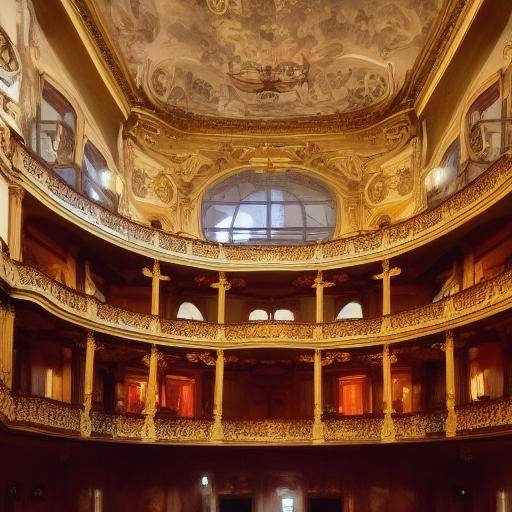
Imagine walking through the majestic halls of the Schönbrunn Palace, where royalty lived, celebrated and made decisions that impacted history. Dive into the culture, luxury and customs that defined life in this stunning place. In this article, you will discover Schönbrunn's fascinating history, explore the culture and opulence that permeated its surroundings, and learn how this magnificent palace reflects the very essence of Vienna.
History and Origins
The Schönbrunn Palace, declared a World Heritage Site by UNESCO, is one of the most important monuments in Austria and an icon of European history. Built in the seventeenth century, it was the Habsburgs who made it their summer residence. Since then, this palace has witnessed momentous events that marked the fate of Europe. From the Empress Mary Theresa to Emperor Francis Joseph, Schönbrunn has witnessed times of splendour and decadence. Its baroque architecture, exquisitely cared gardens and royal rooms keep alive the echoes of the past, transporting visitors to a time of monarchical splendor.
Culture and Opulence
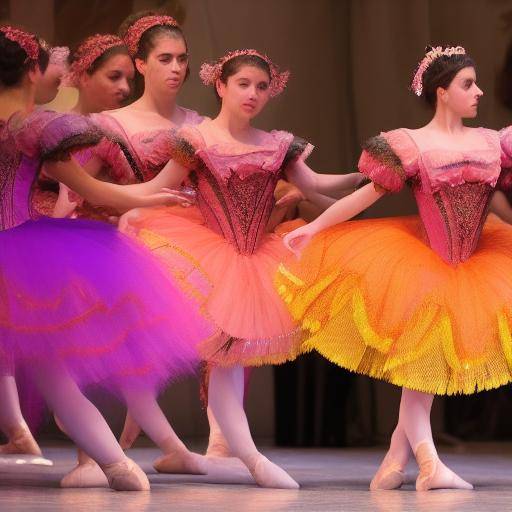
Life at the Schönbrunn Palace was permeated with culture and opulence. The imperial court celebrated dances, concerts and festinies, where the music of Mozart and Haydn resonated in the halls. The delicacy of the gastronomy and the elegance of the costumes of the time reflected the refinement of the court. The cultural wealth was manifested in works of art, sculptures and tapestries that adorned the spaces, showing the patronage and appreciation for the arts that characterized the Habsburg dynasty. The parks and gardens, cared for with wait, were witnesses of romantic walks and scenarios of aristocratic meetings.
Vienna: Axis of Elegance and Immortality
Vienna, the city where Schönbrunn resides, is recognized for its elegance and sophistication. Cuna de geniuses como Beethoven, Schubert y Freud, esta urbe ha sido un epicentro de cultura, música y pensamiento. The Schönbrunn Palace reflects the Viennese essence, showing visitors the greatness of a city that knew to be the heart of the Austro-Hungarian Empire. In addition, Vienna offers a wide range of attractions, from the State Opera and the Palace of Belvedere to its classic cafés, where to get lost between the 19th century intellectual aristocracy. This city perpetuates its brightness through its museums, classical music events and its impressive architecture, offering each visitor a unique and unforgettable experience.
Conclusion
In short, life at the Schönbrunn Palace was a compendium of luxury, culture and refinement that still today marvels those who enter their domains. The opulence and elegance of its surroundings are combined with the greatness of Vienna, creating an unforgettable setting for lovers of history, art and beauty. Schönbrunn, culture and Vienna join in a symphony that makes the past a present experience. Dive into this fascinating universe and discover the greatness of a time and a city that continues to fall in love with its immortal charm.
Frequently asked questions
**What is the best time to visit Schönbrunn Palace?**Spring and summer offer a dazzling environment, with gardens in full bloom, but the palace also reveals its splendor in winter, especially during Christmas holidays.
**What cultural activities can be enjoyed in Vienna?**Vienna offers a wide range of cultural activities, from classical music concerts at the State Opera to visits to renowned museums such as the Kunsthistorisches Museum and the Albertina.
**What is the legacy of the Habsburg dynasty in Vienna?**The legacy of the Habsburgs is palpable in Vienna, from imperial architecture to deep-rooted cultural traditions. Many of the monuments and palaces in the city carry the imprint of this influential dynasty.
**What is the historical importance of Schönbrunn?**Schönbrunn witnessed key developments in European history, including important political decisions and cultural events. His role as an imperial residence makes him a symbol of the Austro-Hungarian grandeur.
**What are the main tourist attractions of Vienna besides Schönbrunn?**In addition to the Schönbrunn Palace, Vienna offers the majestic Cathedral of St. Stephen, the Belvedere Palace, the House of Music and a wide variety of art galleries and museums.
**How did Austro-Hungarian culture influence the daily life of the time?**The Austro-Hungarian culture permeated every aspect of life in the imperial period, from music and architecture to social label and gastronomic customs, leaving a legacy that lasts until today.
**What is the cultural legacy of Vienna for the world?**Vienna has contributed significantly to the world through its music, art, philosophy and architecture, leaving a cultural legacy that continues to inspire generations around the world.
In conclusion, life at the Schönbrunn Palace, with its opulent culture and location in the charming Vienna, offers a window to the past that continues to fascinate visitors from around the world. This cultural and architectural legacy is a treasure that perpetuates the greatness of an era that even today marvels those who explore it. Schönbrunn, Viennese culture and Vienna itself remain inescapable destinations for lovers of history, art and beauty.