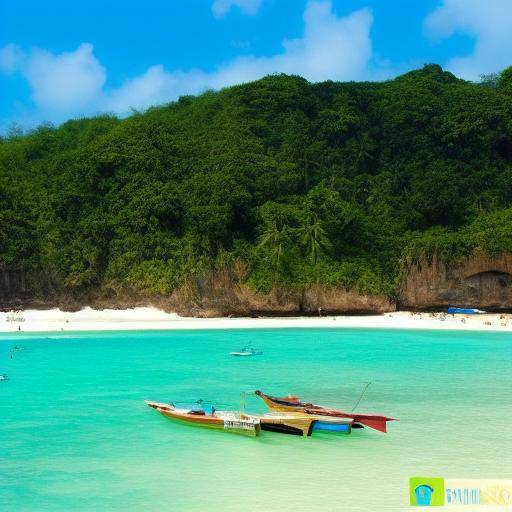
The Cyclades archipelago, located in the Aegean Sea, is a true paradise that combines stunning landscapes, deep-rooted traditions and vibrant festivals. This article invites you to immerse yourself in the rich culture of the Cyclades, explore their traditions and discover the magic of their festivals. From the fascinating history to contemporary celebrations, I will take you to an unforgettable journey through these beautiful Greek islands.
Introduction
With its picturesque white villages, crystal clear beaches and an atmosphere that seems to be stopped in time, the Cyclades are much more than just a tourist destination. At the heart of this Mediterranean gem, there is a culture rich in ancient traditions and colorful festivals that reflect the unique identity of each island. Join me to explore the depths of the Cyclades and discover the soul of these sacred lands.
History and Background
The roots of the cycled culture go back to ancient times, with evidence of settlements dating from the third millennium before Christ. These islands, known for their influence on arts, architecture and religion, have witnessed the succession of civilizations and historical events that have shaped their identity.
During the flourishing of minoid civilization, the Cyclades played a crucial role in the trade of the Aegean Sea, being centers of artisanal and cultural activity. Over the centuries, the islands were inhabited by Phoenicians, Micenics, Romans and Byzantines, each leaving their mark on the form of traditions, festivals and customs that have lasted until today.
Deep analysis
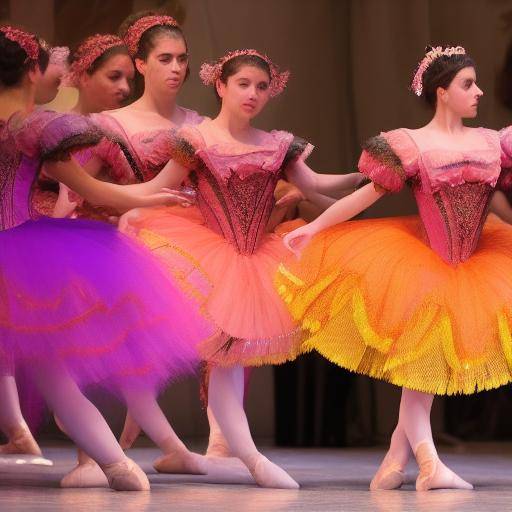
Ciclad culture is a crucible of past and present influences, where music, dance and visual arts play a fundamental role. From the celebration of carnival on the island of Syros to the festivities in honour of Dionisio in Naxos, each festival is an expression of identity, community and spirituality.
A highlight of life in the Cyclades is the importance of religion and mythology in everyday life. The festivities in honor of the gods and goddess, like the feasts dedicated to Artemisa in Paros, reflect the deep connection between the divine and the earthly.
Comprehensive review
Life in the Cyclades is deeply rooted in its natural environment, and this bond is manifested in the agricultural and fishing traditions that have endured over the centuries. From the elaboration of the fresh cheese of the islands to the fish of the octopus in Mykonos, each traditional activity is a testimony to the close relationship between man and nature.
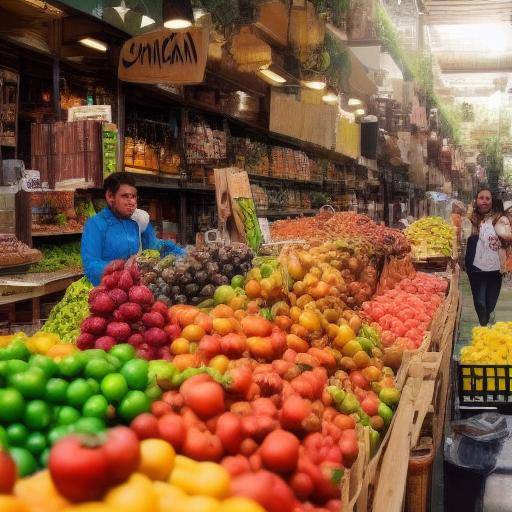
The gastronomy of the Cyclades is another colorful facet of its culture, where dishes such as "ntolmadakia" and "xerotigana" give life to the recipes transmitted from generation to generation. Winemaking, particularly on Santorini Island, is a millennial tradition that has led to unique and recognized wines worldwide.
Comparative analysis
In exploring the cycled culture, it is inevitable to compare them with other regions of Greece. While they share cultural roots and elements, the Cyclades are distinguished by their uniqueness. While other Greek islands have their own traditions and festivals, the Cyclades stand out for the diversity of their celebrations and the depth of their historical roots.
Practical Tips and Accessible Tips
If you are planning a visit to the Cyclades, I recommend you immerse yourself in their traditions and festivals to experience an authentic experience. During your stay, be sure to participate in the local holidays, try traditional cuisine and explore artisan workshops where ancestral techniques are kept alive.
Some prominent festivals include the celebration of Holy Week in Tinos, which attracts pilgrims from all over the country, or the feast of St.John in Mykonos, where the burning of fires and jumps on flames are rituals that symbolize purification and renewal.
Industry Perspectives and Expert Reviews
The experts in Greek culture and history agree that the Cyclades represent an incomparable cultural treasure, where traditions survive despite the passage of time and modern influence. The preservation and promotion of cyclical customs are fundamental to preserving the unique identity of these islands and transmitting it to future generations.
The connection between sustainable tourism and the preservation of cycled traditions is an issue where experts are deeply involved, advocating for a balance that promotes economic development without compromising cultural authenticity.
Case Studies and Real Life Applications
The impact of the Cícladas traditions and festivals goes beyond the cultural aspect, influencing the economy, tourism and everyday life of the inhabitants. Case studies show that traditional celebrations attract a large number of visitors, generating economic opportunities for artisans, traders and local entrepreneurs.
On the other hand, the active participation of the community in the organization of festivals strengthens social ties and fosters a sense of belonging, contributing to local cohesion and pride.
Future Trends and Predictions
As the Cyclades continue to attract the attention of avid travelers from authentic experiences, traditions and festivals are expected to continue to play a crucial role in the attractiveness of the region. However, the challenge lies in balancing the preservation of cultural heritage with the demands of modern tourism, a delicate balance that requires careful measures and long-term planning.
Local authorities and cultural preservation agencies are expected to join in developing sustainable strategies to protect the cycled traditions, ensuring their perpetual and relevantness in a constantly evolving world.
Conclusion
The Cyclades are much more than a postal destination; they are a living laboratory of customs and festivities rooted in history, spirituality and human connection. By exploring the traditions and festivals of the Cyclades, we embark on a journey that takes us to the very roots of Greek identity and connects us to the timeless essence of Mediterranean culture.
Frequently asked questions
1. What are the most emblematic festivals of the Cyclades?
The most emblematic festivals of the Cícladas include the Holy Week in Tinos, the feast of San Juan in Mykonos, and the celebration of the carnival in Syros.
2. What is the importance of gastronomy in the ciclad traditions?
Gastronomy plays a key role in the cycled traditions, reflecting the cultural wealth of the region and being a central element in the festivities and celebrations.
3. How can I participate in local festivals during my visit to the Cyclades?
During your stay at the Cícladas, you can learn about the local festivals through the tourist offices, local communities and social networks to avoid losing traditional celebrations.
4. What is the economic impact of the festivals on the Cyclades?
Festivals have a positive economic impact, attracting tourists interested in living authentic experiences and generating commercial opportunities for local inhabitants, such as artisans, merchants and hostelers.
5. How are the challenges of preserving the cycled traditions in the modern era being addressed?
The challenges of preserving the cycled traditions in the modern era are being addressed through sustainable tourism initiatives, cultural education programmes and support for local artisans and producers.
6. Why are the Cyclades so special compared to other Greek islands?
The Cyclades stand out for the diversity of their traditional celebrations, their rich history and their cultural singularity, making them a unique destination in the Mediterranean.
Concluding, immersed in the life of the Cyclades is to enter a world where the past and present converge in a perpetual dance, where traditions can resist the passage of time and festivals are a living reminder of the authentic essence of these islands. Discovering the cultural wealth of the Cyclades is embarking on an adventure that transcends the mere tourism, is to immerse yourself in an ocean of history, traditions and joy that only these serene and captivating islands can offer.