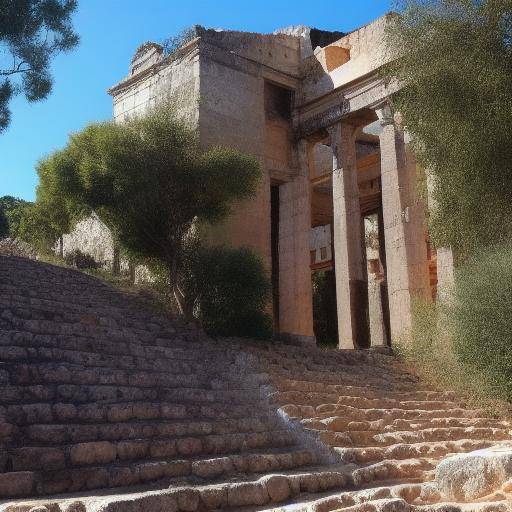
Ancient Egypt is one of the most fascinating civilizations in history, full of mystery, splendour and customs that have endured over time. In this article, we will explore life in ancient Egypt in detail, focusing on its customs and traditions. From social organization to religious beliefs, we will discover the highlights that defined the way in which the ancient Egyptians lived and related to each other.
Introduction
Ancient Egypt, often associated with its pyramids and pharaohs, is a civilization that has captivated historians and enthusiasts alike. Over the course of millennia, the ancient Egyptians developed a rich and complex network of customs and traditions that left an imprint on the history of the world. In this article, we will undertake a journey through time to discover everyday life in ancient Egypt, exploring its culture, society, and legacy.
History and Background
Ancient Egypt, located along the majestic Nile River, flourished for millennia, from around 3100 BC to the conquest of Alexander the Great in 332 BC. His achievements in architecture, art, science and religion continue to amaze the modern world. From the pyramids of Giza to the temples of Karnak, we will explore the historical milestones that defined this great civilization.
In this section, we will immerse ourselves in the chronology of ancient Egypt, from its first dynasties to the Ptolemaic era. We will analyze the advances in medicine, astronomy, and hieroglyphic writing that they highlighted in ancient Egyptian society. In addition, we will examine the influence of Pharaohs, the importance of agriculture, and the complex social structure that characterized this ancient culture.
Costumes and Traditions
Life in ancient Egypt was permeated with customs and traditions rooted in their religion, mythology and family values. From religious festivals to funeral practices, we will analyze in detail the ceremonies and rituals that defined the daily life of the ancient Egyptians. In addition, we will explore your belief system, gender roles, and the importance of the Nile in its worldview.
In this section, we will enter into food customs, clothing methods, and forms of entertainment that enriched the existence of the ancient Egyptians. We will discover how trade and cultural exchange influenced their development, and how technological innovations impacted their society.
Current Legacy and Relevance
Although millennia have elapsed since the disappearance of ancient Egypt as an autonomous civilization, its legacy remains in force today. In this section, we will explore how the customs and traditions of ancient Egypt have influenced global culture. From the impact of its art and architecture to the influences on astrology and spirituality, we will examine its lasting legacy.
In addition, we will consider the work of archaeologists and historians who continue to reveal the secrets of ancient Egypt, and how these researches are shedding new light on this fascinating civilization.
Conclusion
Life in ancient Egypt was a richly woven upholstery of customs and traditions that have left an indelible mark on the history of humanity. Through this journey, we have discovered the complexity and beauty of a culture that continues to fascinate later generations. Ancient Egypt offers us not only a look at the past, but also an inexhaustible source of inspiration and wisdom that endures in the present.
FAQs
What were the main gods worshipped in the ancient Egyptian?
In ancient Egypt, the worship of the gods was fundamental in everyday life. Some of the most important deities included Ra, the god of the sun; Osiris, the god of life, death, and resurrection; Isis, the goddess of maternity and magic; and Anubis, the god of death and embalming. These gods and many other divinities played a crucial role in Egyptian cosmovision and in their religious rituals.
What was the role of the woman in ancient Egypt?
Women in ancient Egypt enjoyed a relatively prominent position compared to other societies of the time. Although the situation varied according to the social class and the region, Egyptian women had certain legal rights, they could inherit property and trade. In addition, some women, such as Hatshepsut and Cleopatra, managed to gain access to the throne as ruling queens.
What was the social structure in ancient Egypt?
Egyptian society was structured in several classes, with the Pharaohs and the royal family at the top, followed by priests, nobles, scribes, artisans, and finally the peasants and slaves. This hierarchical structure influenced all aspects of life, including access to education, work, and justice.
What were the main festivals and celebrations in ancient Egypt?
The ancient Egyptians celebrated a wide variety of religious festivals throughout the year, dedicated to honoring their gods and goddess. Some of the most important festivals included the Feast of Opet, in honor of Amon, the Great Royal Bride; the Nile Flood Festival, which marked the beginning of the agricultural cycle; and the Sed Festival, which commemorated the renewal of the strength of the Pharaoh.
What role did pyramids play in ancient Egyptian society?
The pyramids had a crucial role in ancient Egypt, serving as monumental graves for the Pharaohs and their families. It was believed that these structures guaranteed the successful transition to the beyond and assured the immortality of the ruler. In addition to its funeral function, pyramids also symbolized the power and stability of the Egyptian State.
What was the importance of the Nile River in the ancient Egyptian life?
The Nile River was the backbone of Egyptian civilization, providing water for irrigation, fertile soils for agriculture, and a road of vital transportation. The annual Nile flood cycle was crucial to the well-being and prosperity of ancient Egypt, marking the beginning of the sowing season and ensuring good harvests.
Conclusion
Ancient Egypt remains a fascinating mystery that continues to intrigue humanity. His legacy endures in his monuments, in the memory of his gods, in his art and in his complex society. With this article, we have traveled daily life in one of the most influential civilizations in history and we hope to have offered an enriching vision of its customs and traditions. Come explore more about the magnificent ancient Egypt!