Introduction
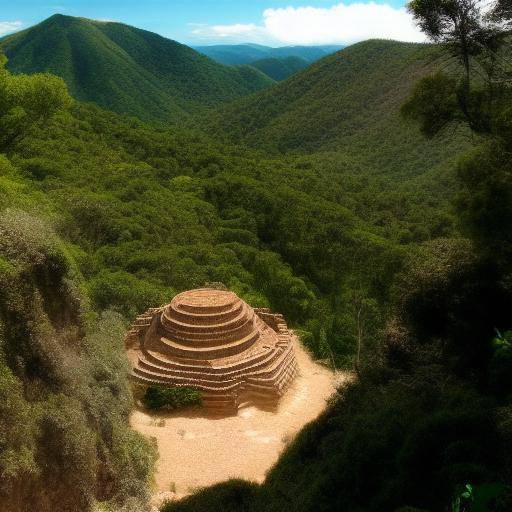
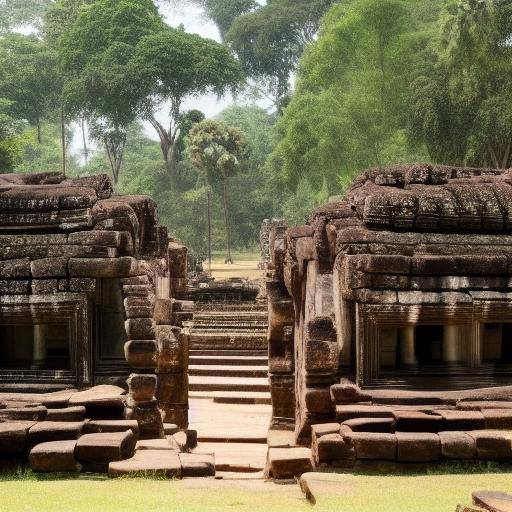
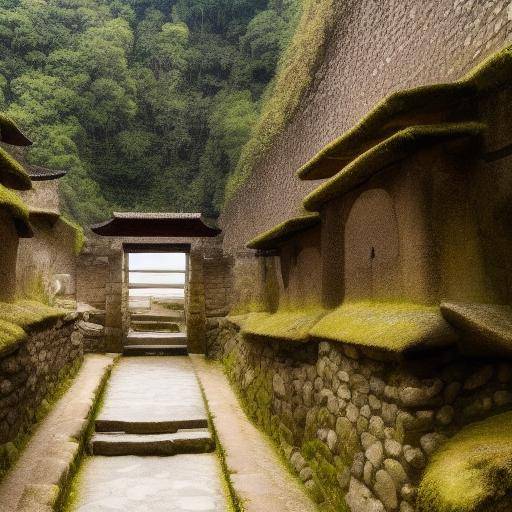
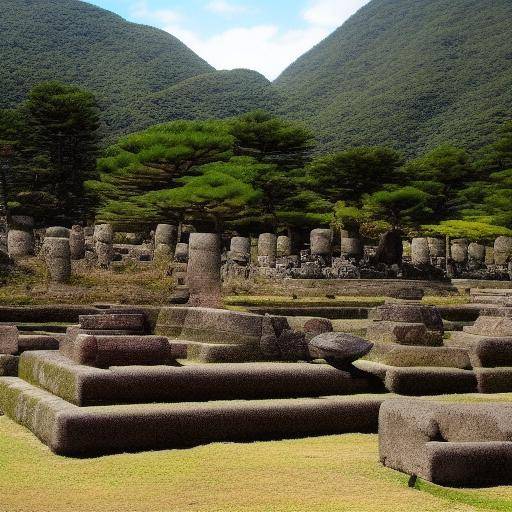
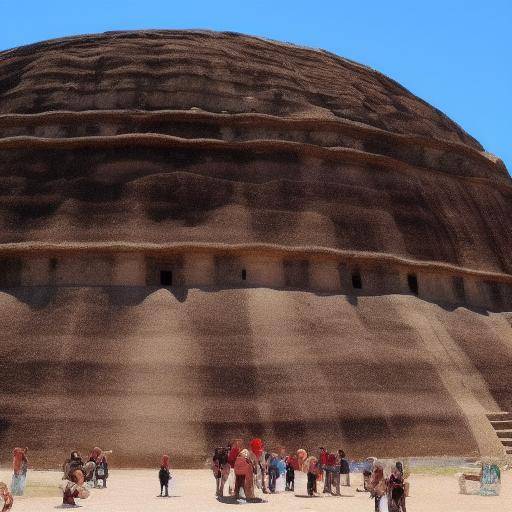
The sumptuous landscape of Bagan in Myanmar, formerly known as Burma, houses a monumental collection of temples dating from the period between the X and XIV centuries. These temples, which once formed a prosperous city full of life and splendor, represent an exceptional manifestation of Buddhist architecture and spirituality. In this article, we invite you to embark on a visual tour of Bagan's most impressive temples, where you will discover its fascinating history, its impressive architecture and its relevance in the modern context. From the majesty of Ananda to the serenity of Shwezigon, every temple encloses centuries of history and culture, and every visit offers an enriching experience. Prepare to explore the historical and spiritual wealth of these architectural treasures that resist the passage of time.
History and Background
Origins of Bagan
Bagan, also known as Pagan, was the capital of the Kingdom of Pagan, which flourished between the 9th and 13th centuries. During his apogee, Bagan was an important religious, cultural and economic centre in the region. The city became the epicenter of Theravada Buddhism, and the building of temples became a common practice under royal patronage and popular devotion.
Historical significance and evolution
The construction of temples and pagodas reached its peak during the reign of King Anawrahta, who unified the kingdoms of Myanmar and greatly promoted Buddhism. Under his command, countless temples and statupas were erected, which became silent witnesses of the greatness of the time. However, after a series of natural disasters and political conflicts, the city of Bagan fell into oblivion and its temples suffered the passage of time.
Developments and turning points
Over the centuries, Bagan has experienced periods of splendour and decline. The restoration and preservation of temples have been topics of debate and interest both at the national and international levels. The Government of Myanmar, in collaboration with international organizations, has undertaken significant efforts to preserve and restore these historic monuments.
Detailed Analysis
Benefits and Challenges
The architectural heritage of Bagan offers countless benefits, from a tourist attraction to a window to the rich history and culture of the region. However, the management of such monuments faces challenges such as sustainability, the balance between conservation and innovation, and protection against natural disasters.
Current trends
Sustainable tourism and the preservation of cultural heritage have become key trends in the management of Bagan temples. Efforts to promote ethical and responsible tourism, together with ecological conservation measures, are playing a crucial role in the long-term preservation of these architectural treasures.
Comparative analysis
Architecture heritage
The architecture of the temples of Bagan is unique in its style and meaning. The influence of Indian and cingalesian architecture is intertwined with local elements and motifs, creating an exceptional fusion that defines the distinctive character of these monuments.
Practical Tips and Accessible Recommendations
Responsible Conservation
If you have the opportunity to visit Bagan, remember to act responsibly and respectfully towards the local environment and culture. Avoid damaging or disrupting old structures and participate in local preservation initiatives.
Conclusions
In conclusion, the temples of Bagan are erected as silent witnesses of a glorious past. Its architecture is a living testimony of the lost grandeur of the old city, and its importance transcends the borders of time and space. By exploring the history, architecture and evolution of the temples of Bagan, we immerse ourselves in a journey that connects us with the roots of a lasting civilization. Its magnificence endures in every brick, every statue and every fresco, and its legacy will endure for generations to come.
Frequently asked questions
What is the most famous temple in Bagan?
The most famous temple of Bagan is the Temple of Ananda, known for its elegant architecture and status as one of the most venerated temples in the region.
How many temples are there in Bagan?
It is estimated that there were originally around 10,000 temples, statues and monasteries in Bagan. However, the current number is reduced to approximately 2,200 surviving structures.
Is it possible to climb the temples of Bagan?
Some temples allow access to their higher levels, from where you can enjoy stunning views of the surrounding landscape. However, it is important to respect local rules and regulations when visiting these sites.
What is the best time to visit the temples of Bagan?
The best time to visit Bagan is during the dry season, which extends from November to February. During this period, the climate is more temperate and the atmosphere is conducive to enjoying the beauty of the temples.
What is the cultural importance of the temples of Bagan?
The temples of Bagan represent an important cultural and religious heritage for Myanmar and Buddhism in general. They are symbols of devotion, spirituality and exceptional artistic expressions.
What are the current challenges in the preservation of Bagan temples?
The main challenges include tourism management, structural preservation, protection against natural disasters and the promotion of sustainable conservation practices.
With these answers, you are now better prepared to immerse yourself in the fascinating world of Bagan temples and appreciate its magnificence from various perspectives.
In short, the temples of Bagan not only represent an impressive manifestation of ancient architecture, but they are also a living testimony of Myanmar's rich history and culture. Its splendour endures over the centuries, inviting travelers, historians and lovers of architecture to immerse themselves in its majesty. By exploring these temples, we embark on a journey in time that connects us to the roots of an ancient civilization and allows us to appreciate the lost grandeur of a city that once was the epicenter of prosperity and spirituality.