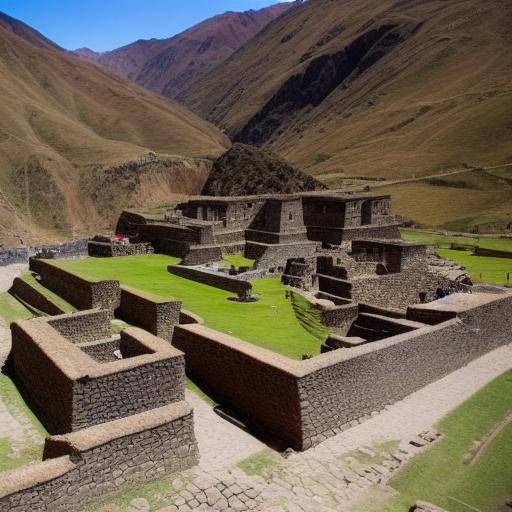
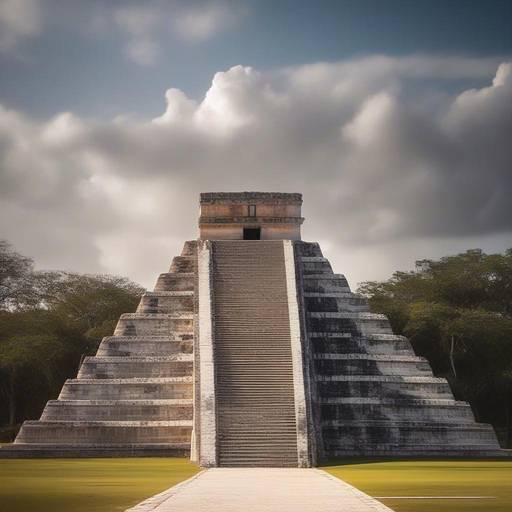
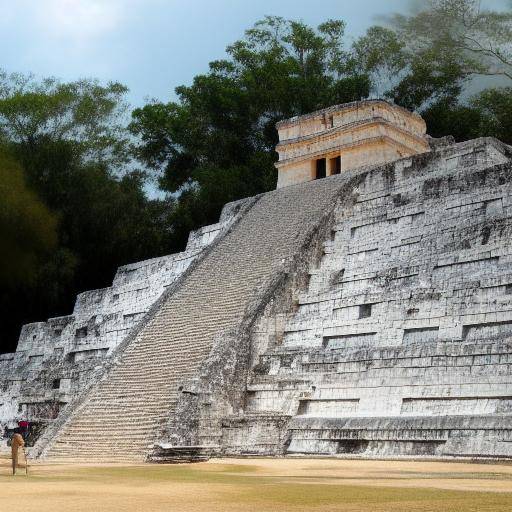
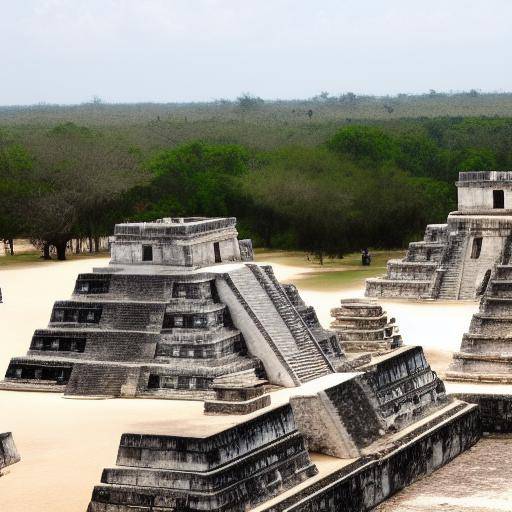
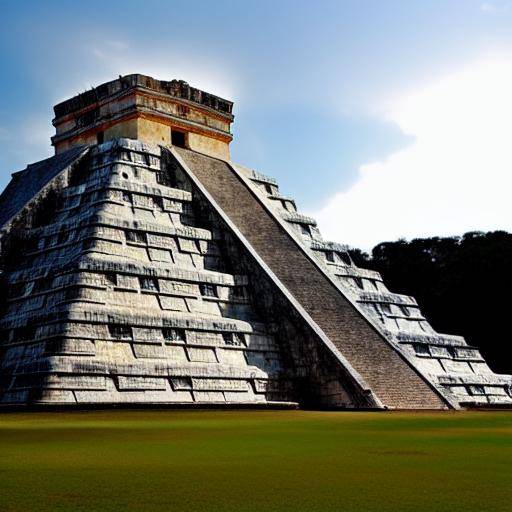
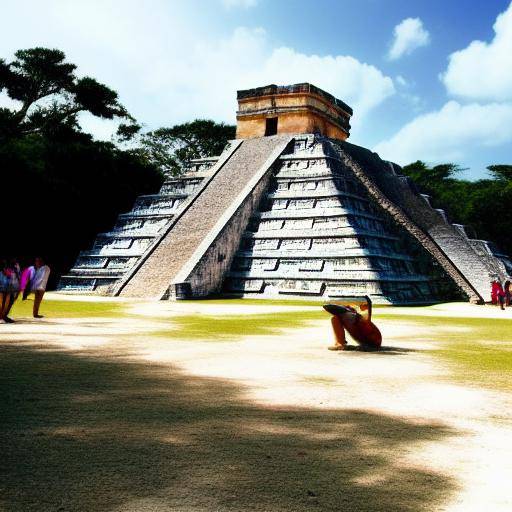
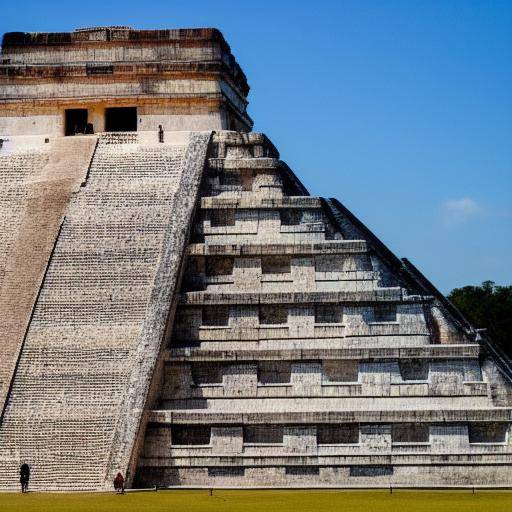
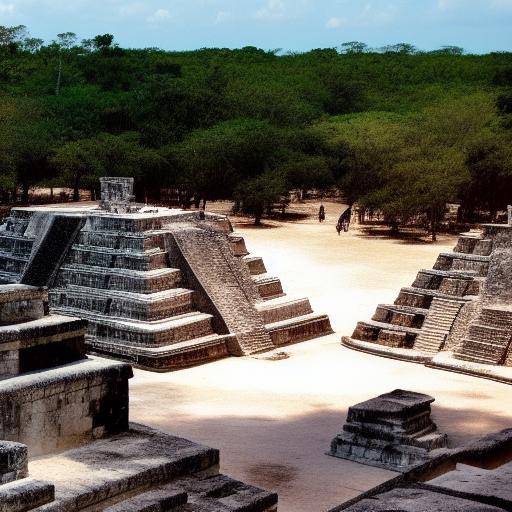
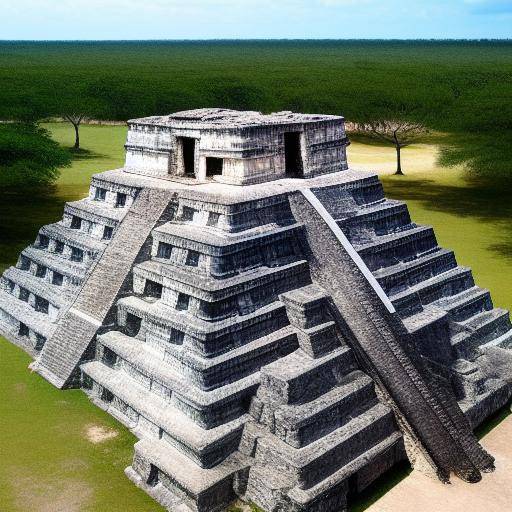
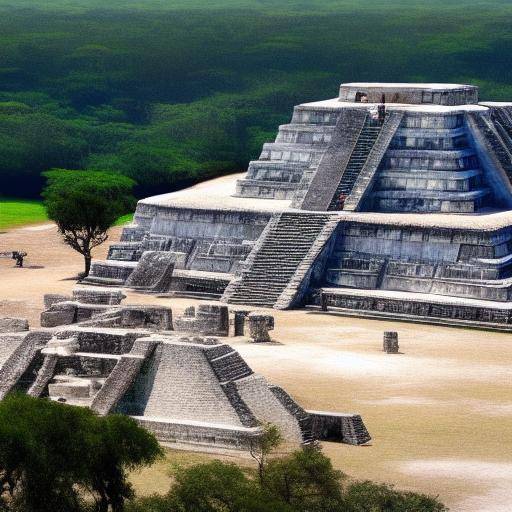
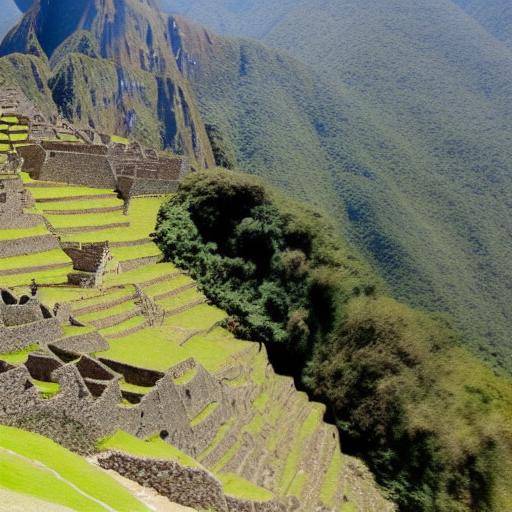
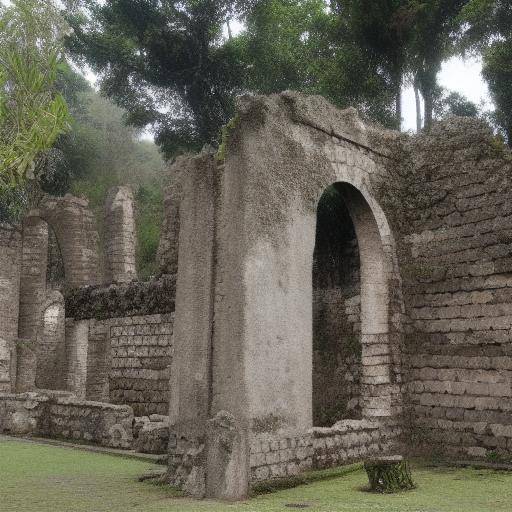
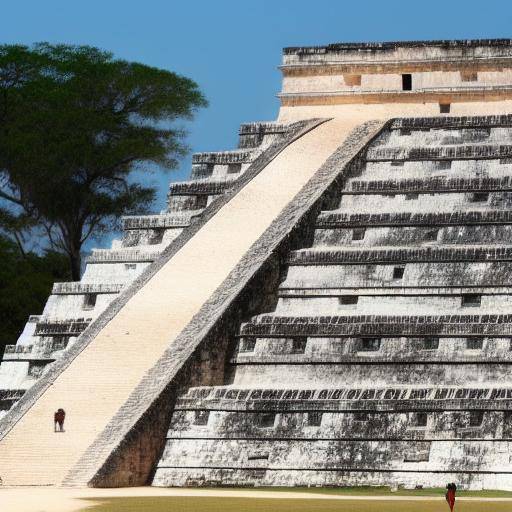
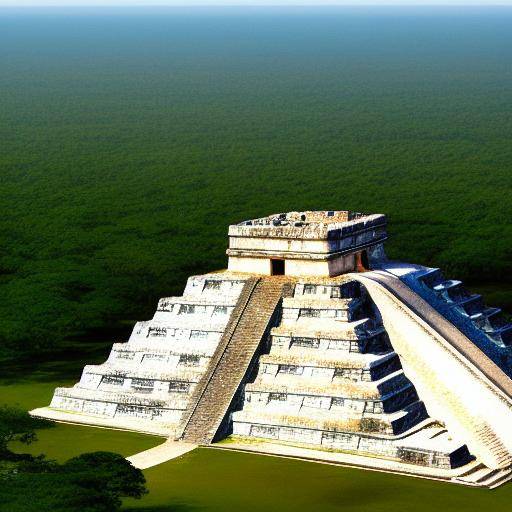
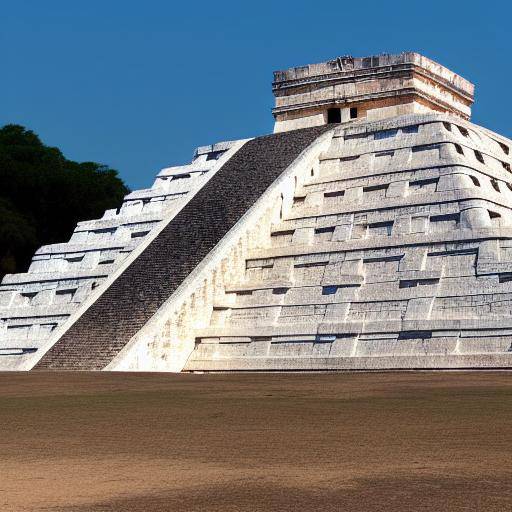
The ruins transport us to an intriguing and mysterious past, full of lost stories and civilizations. These ruinous structures are silent witnesses of the passing of time and the greatness of the ancient cultures that built them. In this article, we will explore the most amazing ruins of the world and immerse ourselves in its rich history, revealing the secrets that have resisted the passing of the centuries.
Introduction
The ancient ruins offer a fascinating window to the past, with its imposing monuments that tell stories of conquests, prosperous civilizations and monumental challenges. Join us on this historic journey that will reveal the wonders of the ancient world and the importance of preserving our historical legacy.
History and Background
Splendor and Greatness of Ancient Civilizations
The most impressive ruins of the world allow us to go back to eras of splendor, where civilizations like ancient Rome, Egypt, Greece, and Mesopotamia flourished and left an indelible legacy in the form of majestic constructions. From the colossal pyramids of Egypt to the imposing ruins of the Roman Colosseum, these structures continue to amaze the world with its greatness and architectural sophistication.
Mysteries and Legends that Envelop the Ruins
In addition to its architectural splendor, the ruins also host mysteries and legends that have intrigued historians and archaeologists for centuries. From the disappearance of entire civilizations to the puzzles inscribed in the structures themselves, these ruins invite us to unravel the secrets lost in time.
The Importance of Preserving Our Historical Heritage
Preserving ancient ruins is crucial to understanding and appreciating the cultural diversity and evolution of humanity throughout the millennia. The conservation of these structures not only ensures that future generations can marvel at their greatness, but also allows history to perpetuate and teach us valuable lessons about human nature and creativity.
Detailed Analysis
Challenges and Opportunities in the Conservation of Old Ruins
The conservation of old ruins poses unique challenges, including preservation against environmental factors, sustainable tourism, and adequate resource management. However, it also offers opportunities to promote historical education, local economic development and the value of cultural heritage.
Ruins and Tourism: Impact and Sustainability
Tourism around old ruins can bring significant benefits to local communities, but it also poses challenges in terms of preservation, visitor management and sustainability. It is essential to find an appropriate balance that allows you to enjoy these historical wonders in a sustainable and responsible way.
Various Perspectives on the Interpretation of Ancient Ruins
The interpretation and understanding of ancient ruins can vary significantly depending on the cultural, historical and archaeological perspective. Different approaches and theories can enrich our understanding of these structures, allowing a deeper appreciation of their meaning and legacy.
Comprehensive review
Contemporary Applications of the History of Ancient Ruins
History and lessons learned from ancient ruins have contemporary applications in fields such as archaeology, heritage preservation, education and tourism. These applications allow us to connect with our past in meaningful and enriching ways.
Best Practices in the Conservation and Restoration of Ancient Ruins
Best practices in the conservation and restoration of ancient ruins involve a combination of advanced techniques, cutting-edge technology and deep respect for historical authenticity. The application of these approaches ensures that the ruins remain alive witnesses of history, without compromising their integrity or authenticity.
Comparative analysis
By comparing different ancient ruins around the world, we can identify similarities and differences in terms of architecture, original purposes and historical legacy. This comparison allows us to appreciate cultural diversity and human creativity over the centuries, enriching our understanding of world history.
Practical Tips and Accessible Tips
Maintenance and Care of the Ancient Ruins
Being guardians of our historical legacy, it is crucial to adopt appropriate maintenance and care practices to preserve the ancient ruins. From the protection against erosion to the management of visitors, these measures ensure that the ruins remain accessible to future generations.
Understanding and Respect for the History of Ancient Ruins
When visiting ancient ruins, it is important to take into account their historical and cultural significance, as well as the vital role they play in the understanding of our shared heritage. Showing respect for these structures involves preserving their authenticity and value them as irreplaceable historical treasures.
Industry Perspectives and Expert Reviews
Future Visions in the Conservation of Old Ruins
The conservation and archaeology experts offer valuable insights into the future of ancient ruins, highlighting the importance of adopting sustainable approaches and innovative technologies to protect and understand our historical heritage in an integral way.
Case Studies and Real Life Applications
Case studies and practical applications provide concrete examples of how old ruins influence contemporary life, from education to cultural tourism. These cases illustrate the lasting and inspiring impact of history on our daily lives.
Future Trends and Predictions
Emerging Trends in the Conservation of Old Ruins
Emerging trends in the conservation of ancient ruins include interdisciplinary approaches, innovative technologies and community-based strategies. These trends reflect a greater awareness of the importance of preserving and understanding our historical heritage in a constantly changing world.
Predictions for the Future of Ancient Ruins
The predictions for the future of ancient ruins point to greater global collaboration in conservation projects, as well as technological advances that will allow a deeper and more accessible understanding of these wonders of the past. These predictions promise a more vibrant and meaningful historical legacy for future generations.
Conclusion and Frequently Asked Questions (FAQs)
Conclusion
The ancient ruins invite us to explore the past, understand the present and glimpse the future with a renewed appreciation of our collective history. In a constantly evolving world, preserving and understanding these wonders is essential to our identity and understanding as a species.
Frequently asked questions (FAQs)
Why is it important to preserve the ancient ruins?
Preserving ancient ruins is crucial to keeping history alive and understanding the evolution of human societies over time. In addition, these structures provide valuable lessons on art, architecture, technology and cultural beliefs of the past.
How can local communities benefit from the conservation of old ruins?
The conservation of old ruins can generate sustainable economic opportunities for local communities through cultural tourism, job creation and the development of tourist infrastructure. In addition, it can foster a greater sense of identity and cultural pride among communities that guard these ruins.
What is the impact of tourism on the conservation of ancient ruins?
Tourism can have a positive impact by generating income for conservation and facilitating global awareness of the importance of protecting these structures. However, uncontrolled tourism can also cause wear in the ruins, highlighting the need for a balanced and sustainable approach to visitor management.
What technologies are used in the conservation of ancient ruins?
Modern technologies, such as photogrammetry, 3D laser scanning and remote monitoring, are revolutionizing the conservation of old ruins by allowing accurate documentation, early detection of damage and planning of conservation interventions.
How can the global appreciation of ancient ruins be encouraged?
Promoting global appreciation of the ancient ruins requires continuous education on its historical and cultural importance, international collaboration in conservation projects and the promotion of meaningful experiences for visitors, all while respecting the authenticity and cultural sensitivity of these historical structures.
What is the role of the community in preserving old ruins?
The active participation of local communities is essential for the long-term success of the conservation of ancient ruins. Collaboration with communities near the ruins promotes the development of conservation strategies that respect local traditions, generate benefits for the community and foster a sense of co-responsibility in the preservation of historical heritage.
Conclusion
The legacy of ancient ruins transcends time and space, offering a window to past worlds and enriching our understanding of the present. From its architectural grandeur to its deep mysteries, the ancient ruins challenge us to explore, preserve and celebrate our shared history as human beings.
This historic journey through the most impressive ruins of the world reminds us that, through the conservation and understanding of our historical heritage, we preserve not only stone monuments, but also the richness of our collective humanity.
Note: This article is only the beginning of an immersive journey through the most shocking ruins in the world. To deepen this fascinating theme and discover more about our historical legacy, we invite you to continue exploring this exciting discipline.