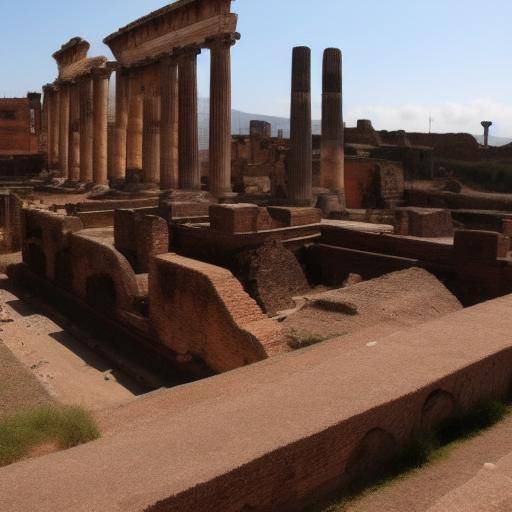
The rock formations are one of the most impressive wonders that nature gives us. Throughout the world, there are geological monuments that aspire to its beauty and majesty. In this visual guide, we will explore some of the most surprising rock formations that exist, from their geological origins to their impact on the natural world and on the people who contemplate them.
Introduction
Imagine walking through a rocky landscape, with huge natural sculptures that challenge gravity and time. These rock formations have been moulded over millions of years, giving rise to unique visual shows that awaken our astonishment and admiration.
In this visual guide, we invite you to a journey through some of the most impressive rock formations in the world. From the majestic cliffs of Moher's coast in Ireland to the imposing Torres del Paine in Chile, you will discover the magnificent nature of mother and her ability to create extraordinary terrestrial sculptures.
Join us on this journey through the geological wonders of the planet, and prepare yourself to marvel at landscapes that challenge the imagination.
History and Background
The rock formations have been silent witnesses of the history of our planet. Over the course of millennia, geological processes such as erosion, sedimentation and tectonic plaques have shaped these monumental structures. From the imposing cannons to the natural arches sculpted by the wind, each rock formation tells a unique story that deserves to be explored.
Origins and Evolution
The rock formations, the result of geological processes that extend over millions of years, are the product of the interaction between the earth's crust and the natural elements. These unique structures have evolved from the action of natural forces, and continue to be transformed as the earth follows its geological cycle. From the famous formation of the Elephant Rock in Yakutia, Russia, with its striking similarity with the head of an elephant, to the iconic set of the Twelve Apostles in Australia, these formations are visual testimonies of the Earth's geological history.
Historical and Cultural Importance
Rock formations are not only natural wonders, but also have a profound historical and cultural importance for the communities that have inhabited the regions where they are. Many of these formations have been considered natural sanctuaries, places of spiritual importance or vital geographical references to ancestral peoples. Even today, many of these structures continue to play a key role in the identity and tradition of nearby communities.
Significant Milestones and Developments
Throughout history, rock formations have been the object of astonishment and study by explorers, geologists and nature enthusiasts. From the first accounts of travelers who were perplexed by the greatness of these structures to the scientific advances that have allowed them to better understand their formation, the rock formations have been protagonists of numerous milestones and discoveries.
Detailed Analysis
Benefits and Challenges
Rocky formations are not only an impressive visual spectacle, but also play a crucial role in environmental conservation and ecological balance. As unique ecosystems, these places host a rich diversity of flora and fauna, while serving as guides to understand the geological history of the Earth.
However, rock formations also face significant challenges, such as erosion caused by natural and human factors. The preservation and conservation of these natural monuments pose challenges that require constant attention and sustainable management efforts.
Current Trends and Statistics
The interest in rock formations as tourist destinations and conservation sites has been increasing in recent years. Recent data show an increase in visitation to various rock formations, which has generated a positive economic impact on local communities and has encouraged the implementation of sustainable tourism practices.
Perspectives and Views
Various experts in geology, conservation and tourism share their perspectives on the importance of rock formations and the challenges they face today. Their views shed light on the complexity of the management and preservation of these natural monuments, as well as on the opportunities to promote their global assessment and protection.
Comprehensive review
Practices and Best Practices
Rock formations, beyond their aesthetic and geological value, have practical applications in fields such as geology, environmental conservation, education and scientific research. In addition, various management and conservation practices have been implemented that have proved to be effective in the long-term preservation of these unique structures.
Contributions of Experts and Future Outlook
The opinion of experts in geology, conservation and tourism offers valuable insights into future trends and challenges related to rock formations. Their contributions shed light on the importance of continuing research, conservation and management of these geological monuments for generations to come.
Comparative analysis
Compare different rock formations in different regions of the world allows us to appreciate both the similarities and the particularities of these natural monuments. By observing the different geological characteristics and cultural contexts, we can understand the diversity and wealth of rock formations worldwide.
Practical Tips and Recommendations
Tips for Visiting
If you plan to visit some of these amazing rock formations, consider the following tips to make the most of your experience:
- Previously research on local regulations and best practices for visiting.
- It respects the natural environment and follows the indications of conservation and preservation.
- Consider supporting local conservation and sustainable tourism initiatives during your visit.
How to Contribute to Conservation
Contributing to the preservation of rock formations implies more than a mere visit. Here are some additional ways to support the conservation of these natural monuments:
- Participates in volunteering and cleaning programs in natural areas.
- It supports organizations dedicated to the conservation of the environment and natural heritage.
- Educate others about the importance of conservation and respect for the natural environment.
Conclusions and FAQS
Conclusions
The rock formations represent true wonders of nature, with a history and importance that transcends geographical boundaries. Their preservation and appreciation require the active participation and commitment of local communities, scientists and nature lovers around the world. The exploration and protection of these fascinating geological structures lead us to a deeper understanding of the magnificence of our planet.
FAQs
What are some of the most famous rock formations in the world?
Some of the most famous rock formations include the Grand Canyon in the United States, the Giant Warehouse Columns in Northern Ireland, and the Zhangjiajie Pillars in China, among others.
What is the geological process that gives rise to rock formations?
The rock formations are the result of the action of geological processes such as erosion, sedimentation, volcanic activity and tectonic plates, which act over millions of years to mould the rock and create these impressive structures.
Why is it important to preserve rock formations?
The preservation of rock formations is crucial to preserving the geological diversity and natural heritage of our planet. These unique structures also house valuable ecosystems and serve as visual testimonies of Earth's history.
How can rock formations be visited sustainably?
The sustainable visitation of rock formations involves respecting local regulations, following conservation indications, and supporting sustainable tourism and environmental conservation initiatives during the visit.
What is the impact of tourism on rock formations?
Tourism can generate positive impacts, such as the promotion of conservation and local economic development, but it also poses challenges in terms of monitoring and sustainable management of visits to preserve these fragile environments.
What opportunities does the study of rock formations offer in terms of scientific research?
The study of rock formations provides valuable information on the geological history of the Earth, the influence of climate and geological processes in the formation of these structures, and offers opportunities to better understand the evolution of our planet.
How can I contribute to the conservation of rock formations?
Contributing to the conservation of rock formations involves respecting the natural environment during the visit, participating in volunteering and cleaning projects in natural areas, and supporting organizations dedicated to the conservation of the environment and natural heritage.
Throughout this visual journey through the most impressive rock formations in the world, we have explored its history, importance, challenges and future opportunities. The majesty of these geological structures invites us to appreciate the grandeur of nature and to assume an active commitment in its preservation for generations to come.