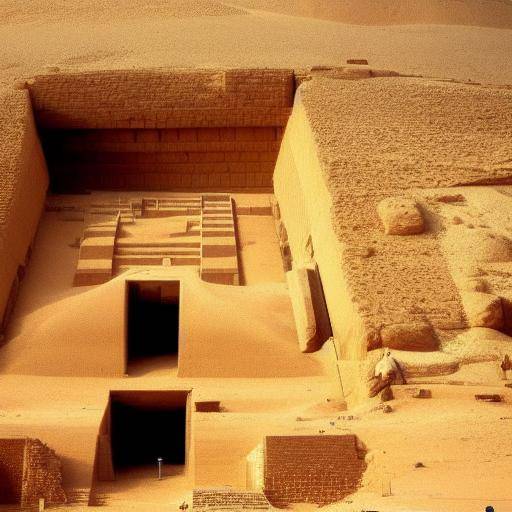
Introduction
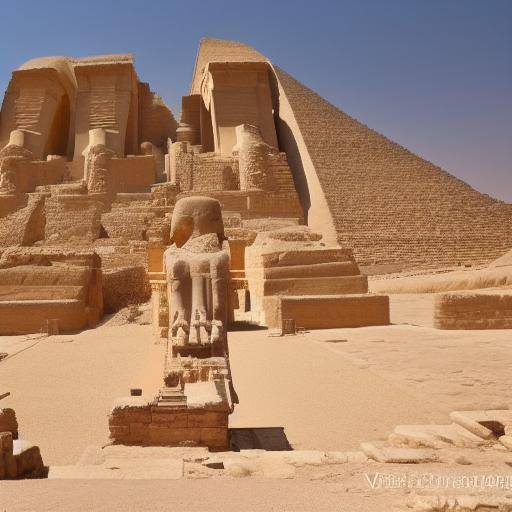
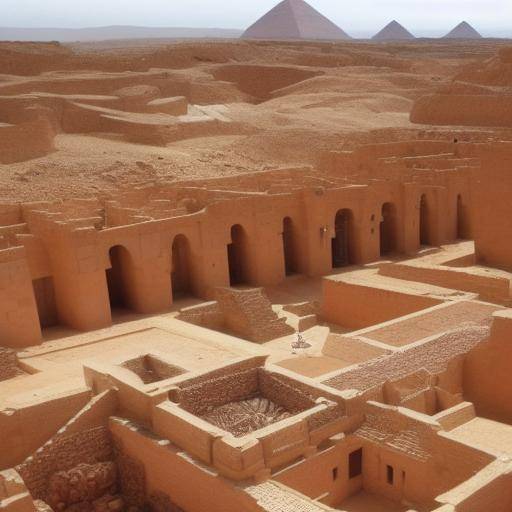
Egypt, with its rich ancient history, houses some of the most impressive architectural structures in the world: pyramids. These monumental wonders are silent witnesses of the splendour of ancient Egypt, and their mystery and grandeur continue to captivate millions of visitors every year. In this historic journey, we will explore the most outstanding pyramids in Egypt, its fascinating history, its cultural significance and its relevance today.
History and Background:
The pyramids of Egypt represent the apogee of the funeral architecture of ancient Egypt and serve as impressive monuments dedicated to the Pharaohs and their legacy. The complex of the pyramids of Giza, composed of the pyramids of Keops, Kefrén and Micerinos, is the most emblematic and ancient. Built over 4,500 years ago, these pyramids stand out for their size, architectural precision and mysteries that still awaken the curiosity of scientists and archaeologists.
The construction of pyramids was a complex and highly ritualized art. Each pyramid was a monumental project involving thousands of workers, architects and resources for decades. These structures were designed to ensure the eternal life of Pharaoh and serve as a ritual centre for funeral worship.
Analysis in Deep
Pyramids not only represent architectural achievements, but also offer a unique vision of the society, religion and culture of ancient Egypt. The precision with which these large structures were built remains a ground for study and innovation in modern architecture and engineering. Archaeological discoveries continue to reveal new aspects of its construction and purpose, generating fascination and inspiration throughout the world.
Full review
The impact of pyramids on the history of Egypt and its cultural relevance continue to be topics of debate and study. The implications of these structures go beyond their architectural value, as they influence disciplines ranging from ancient history to archastronomy and engineering. The relevance of pyramids as tourist destinations and their impact on the Egyptian economy underscore their continued importance in the modern world.
Comparative analysis
The pyramids of Egypt represent the culmination of a unique historical and cultural period. By comparing them with other architectural wonders, such as the Mesoamerican pyramids or the Mesopotamia zigurats, they reveal similarities and differences that enrich our understanding of the cultural and technological diversity of antiquity.
Practical Tips and Accessible Tips
- When visiting pyramids, it is advisable to hire a tour guide to obtain an enriching perspective of its history and meaning.
- It is important to respect and preserve these ancestral structures, avoiding actions that could damage their integrity.
- Taking time to understand the magnitude of these constructions, both in physical and cultural terms, can deeply enrich the experience of visiting pyramids.
Conclusions and FAQs
Conclusion:
In conclusion, the pyramids of Egypt remain a lasting testimony of the greatness and ingenuity of ancient Egypt. Its influence transcends time and has impacted various areas, from architecture to spirituality. By exploring its history, cultural significance and current relevance, we can better appreciate the immense importance of these monumental structures.
Frequently asked questions
**1. When were the pyramids of Egypt built?**The most famous pyramids, such as those of Giza, were built around 2500 BC during the period of the Ancient Empire of Egypt.
**2. What is the largest pyramid in Egypt?**The Great Pyramid of Keops is the largest and the only one of the Seven Wonders of the Old World that still lasts.
**3. What is the purpose of pyramids?**Egyptian pyramids had a funeral and religious purpose, serving as monuments dedicated to Pharaohs and as ritual centers for funeral worship.
**4. How long did it take to build a pyramid?**The construction of a pyramid could take several decades and required thousands of workers and resources.
**5. What is the cultural value of pyramids today?**Pyramids remain iconic symbols of Egyptian culture and represent an important source of tourism and national pride.
**6. Why are pyramids considered a remarkable architectural achievement?**The pyramids stand out for their architectural precision, the innovative use of construction techniques and their lasting impact on the history of architecture.
**7. What recent discoveries have been made around pyramids?**Recent discoveries include new archaeological findings that have revealed unprecedented aspects of their construction, purpose and meaning in ancient society.
Concluding, the pyramids of Egypt not only represent monumental achievements of engineering and architecture, but are also mute witnesses of the rich history and culture of ancient Egypt. His legacy endures to this day, attracting visitors from around the world and keeping alive the fascination with one of the most influential civilizations in history.
External link 1: National Geographic - Secrets of Egypt's Great PyramidsExternal link 2: Smithsonian Magazine - Re-Thinking the Purpose of the Great Pyramids of GizaExternal link 3: BBC History - Ancient Egypt
This article provides a complete view of the pyramids of Egypt, from its ancient history to its current impact, offering an enriching perspective of its lasting importance in the modern world.