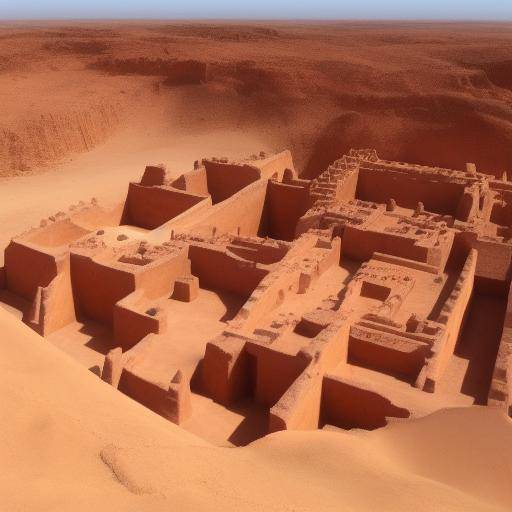
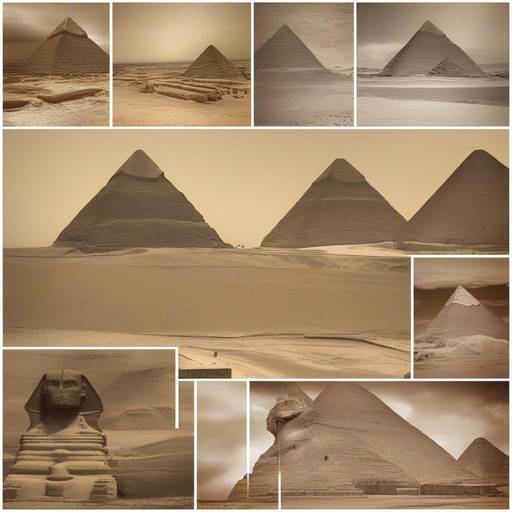
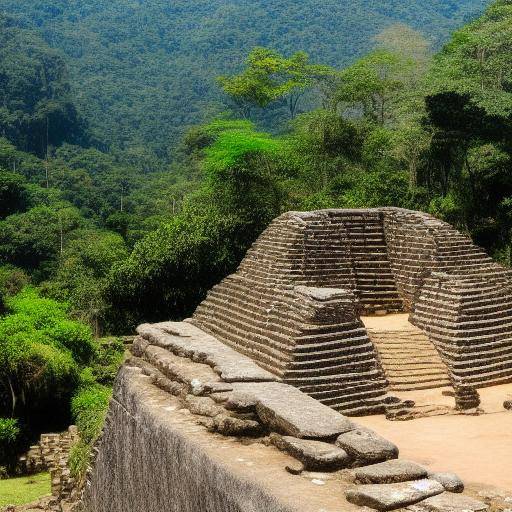
On the African continent, there are some of the most impressive and ancient structures in the world: pyramids. Often eclipsed by the famous pyramids of Egypt, the impressive constructions in lesser-known African countries also tell an intriguing and enigmatic story. In this article, we will explore the most outstanding pyramids in Africa, immersed in its history, its cultural significance and its relevance today. In addition, we will examine how these architectural wonders have influenced the history of the continent, offering a unique vision of its heritage.
Introduction
Africa ' s pyramids extend beyond Egypt ' s borders, covering countries such as Sudan, Niger and Nigeria, among others. Often, they are associated with the rich history of the ancient African kingdoms and the architectural ingenuity of forgotten civilizations. As we immerse ourselves in the world of these monumental structures, we discover the diversity and greatness of African heritage. This historic journey will take us through the evolution of pyramids, their impact on old societies and their relevance today.
History and Background
Origins and Historical Significance
African pyramids have their roots in antiquity, rising thousands of years. Through the study of its architectural designs and archaeological findings, its role has been revealed as ceremonial centers, royal graves and symbols of power. In countries such as Sudan, Meroe's pyramid represents one of the most emblematic buildings in the Kush kingdom, demonstrating the sophistication of engineering and the importance of funeral traditions.
Developments and Key Moments
Over the centuries, African pyramids have witnessed intriguing cultural and political transformations. The construction of new pyramids, the use of hieroglyphics and religious rituals associated with these structures reveal a rich history of innovation and growth. Archaeological discoveries provide fascinating clues to everyday life in ancient Africa, enriching our understanding of the past.
Deep analysis
The study of African pyramids offers a fascinating vision of everyday life, the social structure and spiritual beliefs of ancient civilizations. In addition, questions arise about the methods of construction, the motivation behind these monumental architectural works and the legacy they have left for future generations.
Comprehensive review
Applications and Practices
Despite their antiquity, African pyramids awaken a renewed interest today. The preservation of this world heritage and its promotion as sustainable tourist destinations demonstrate the lasting relevance of these structures. In addition, archaeological research and the study of inscriptions found in pyramids continue to reveal hidden secrets for millennia.
Outlook of Experts
Experts on archaeology, anthropology and African history offer valuable insights on pyramids, shedding light on their impact on contemporary society. Their analysis enriches our understanding of African history and promotes the appreciation of this unique cultural heritage.
Comparative analysis
African pyramids, in their diversity and cultural singularity, differ in many aspects of their Egyptian counterparts. However, they share similarities in terms of their impact on history, their importance on religious beliefs and their influence on the development of ancient civilizations in Africa. This contrast and comparison reveals the complexity and beauty of African history.
Practical Tips and Accessible Tips
- In exploring African pyramids, it is recommended to consult local guides or archaeology experts to gain a deeper understanding of their historical and cultural significance.
- Support for conservation and preservation initiatives for African pyramids contributes to their permanence as a legacy for future generations.
- Consider visiting museums and archaeological sites that exhibit artifacts and findings related to African pyramids for a more complete immersion in their history.
Industry Perspectives and Expert Reviews
African pyramids are not only historical monuments, but also the basis for a debate and reflection on the preservation of world heritage. Experts in history of art, cultural heritage and archaeology offer their vision of the challenges and opportunities surrounding the conservation and study of African pyramids. Their contributions open new perspectives on the importance of these structures in the global context of heritage.
Cases of Study and Applications in Real Life
Cases of study that present the influence of African pyramids on culture, tourism and education offer a practical view of their impact. From tourist experiences around pyramids to the integration of these monuments into educational programs, real examples illustrate how African pyramids continue to play a significant role in contemporary society.
Future Trends and Predictions
African pyramids are at the centre of growing interest on the part of researchers, tourists and history enthusiasts. There is an increase in conservation efforts, the digitization of pyramid-related information and an increase in the overall appreciation of its cultural and historical value.
Conclusions
In short, African pyramids represent an invaluable legacy that transcends time and space. Its enigmatic history, its cultural impact and its connections with the present offer a unique window to the wealth of the African continent. In exploring these monuments, the greatness of ancient civilizations is revealed and greater appreciation is encouraged for the diversity and beauty of African heritage.
FAQs
What are some of the most outstanding pyramids in Africa outside Egypt?
Beyond the pyramids of Egypt, the pyramid of Meroe in Sudan, the pyramids of Nuri, Kurru and Gebel Barkal, all in Sudan, and the pyramids of Niger in the Agadez region, stand out.
Why are African pyramids less known than Egypt's pyramids?
The pyramids of Egypt have received greater attention due to media and tourist exposure, while African pyramids outside Egypt have been less promoted and, therefore, less well known globally.
What is the cultural importance of African pyramids today?
African pyramids represent an integral part of African cultural heritage, being tangible testimonies of ancient civilizations and playing a crucial role in the identity and historical legacy of the continent.
What challenges do African pyramids face in terms of conservation?
Challenges include erosion, urbanization, unsustainable tourism and archaeological looting, highlighting the need for conservation and awareness programmes to protect this valuable heritage.
How can I contribute to the conservation of African pyramids?
To contribute to the support of organizations dedicated to the preservation of heritage, to respect tourist norms when visiting these sites and to participate in educational programs that promote awareness of the importance of African pyramids are ways to contribute to their conservation.
What are some current projects that are investigating African pyramids?
3D digitization projects, archaeological research, excavation and restoration programmes, as well as initiatives to promote sustainable tourism and raise awareness of the importance of African pyramids are some current development projects around this topic.
In conclusion, African pyramids represent an invaluable historical legacy that continues to awaken a deep interest and admiration in the present world. From its intriguing history to its impact on contemporary society, these monumental structures offer us a unique window to the amazing heritage of Africa.
With this historic journey through the most impressive pyramids in Africa, we have explored its evolution, its cultural significance and its relevance in the present. As we enter this fascinating journey, we have discovered the diversity and grandeur of the African architectural legacy, which continues to inspire admiration and respect throughout the world.
[Legal fees: All information presented in this article is based on reliable and expert sources. It is recommended that readers seek expert and professional guidance before making decisions based on the content of this article. ]