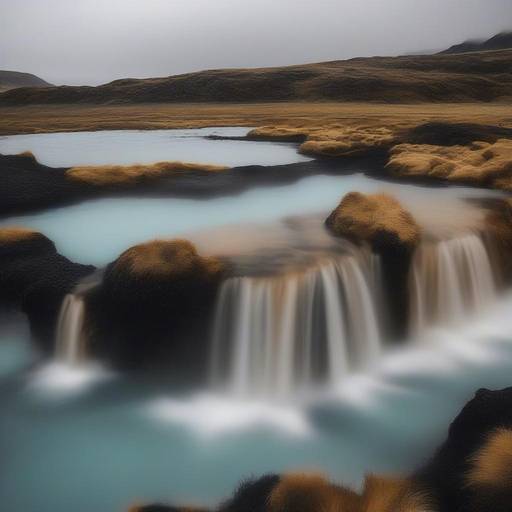
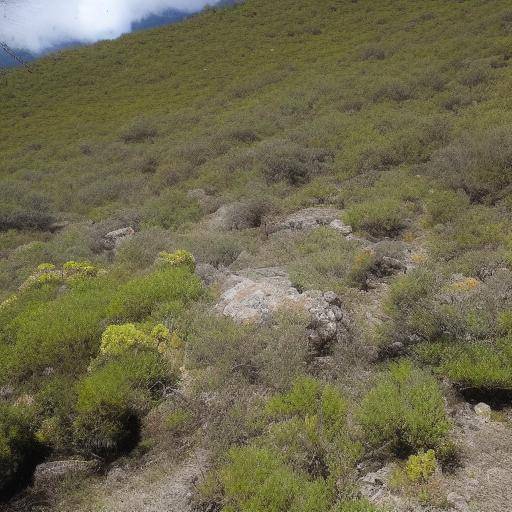
North American national parks are true treasures of nature, home to a great diversity of flora and fauna, spectacular landscapes and a rich natural history. In this article, we will explore the most impressive national parks in North America, providing a visual guide that will invite you to discover the beauty and importance of these protected ecosystems. From the majestic rocky mountains to the vast plains and stunning desert landscapes, each national park has its own charm and offers a unique experience for nature lovers. Join us on this visual journey through the most outstanding national parks in North America.
Introduction
In this arch of words, we will immerse ourselves in history, the importance, challenges and future forecasts related to North American national parks, highlighting their influence on the conservation of nature and its impact on sustainable tourism.
History and Background
North American national parks have a rich history dating back to the 1870s, when the first national park, Yellowstone, was established in the United States. Over time, these parks have evolved not only as conservation areas, but also as popular tourist destinations that attract millions of visitors every year.
Origins and Evolution
The conservation movement in North America took momentum in the late nineteenth century, with prominent figures such as John Muir and Theodore Roosevelt advocating for the preservation of natural landscapes. This led to the creation of the U.S. National Park System, laying the foundations for the protection of vast tracts of wild lands.
Important Developments and Daughters
Over time, numerous national parks joined the system, each with its own geography, biodiversity and distinctive features. Canada ' s National Parks and Wildlife Conservation Act also played a crucial role in protecting Canada ' s natural ecosystems.
Analysis in Deep
National parks play a key role in the conservation of nature, providing shelter to endangered species and preserving unique landscapes. However, they face significant challenges, such as the management of tourism visits, climate change and the preservation of biodiversity.
Current Benefits and Challenges
National parks generate significant economic benefits through tourism, while promoting environmental education and connecting with nature. However, pressure on these ecosystems due to increased visitors poses challenges for their long-term preservation.
Exhaustive examination
In analysing different perspectives and opinions, the need for a balance between conservation and public access to national parks emerges. The implementation of sustainability measures and the participation of local communities are key aspects to ensure the preservation of these valuable natural resources.
Comparative analysis
By comparing North American national parks, similarities and differences are highlighted in terms of landscapes, biodiversity and attractions. While some parks are known for their iconic mountain peaks, others stand out for their steep canyons, lush forests or vast plains.
Practical Tips and Accessible Recommendations
If you plan to visit one of America's national parks, consider it an opportunity to be in harmony with nature. Remember to follow the conservation guidelines, practice responsible tourism and enjoy the experience in full awareness with the natural environment.
Sector Information and Views of Experts
Looking ahead, nature conservation experts share their perspectives on the importance of the preservation of national parks and key strategies to address environmental challenges in the North American region.
Case Studies and Real Life Applications
National parks serve as models for sustainable management and ecosystem conservation, with outstanding examples of environmental restoration, re-introduction of species and development of eco-friendly tourism programmes that benefit both nature and local communities.
Future Trends and Predictions
The future of national parks in North America is marked by the implementation of sustainable technologies, international collaboration on conservation and the creation of ecological corridors to protect the migration of species. Ecotourism and environmental education are expected to play a crucial role in the sustainable development of these protected ecosystems.
FAQs
What are some of America's most famous national parks?
Some of America's most famous national parks include Yellowstone, Grand Canyon, Yosemite, Banff, Jasper, Zion, and Grand Teton, among others.
How do national parks contribute to biodiversity conservation in North America?
National parks protect a wide range of ecosystems and species, providing safe habitats and minimizing the threats of human activity, which contributes significantly to the conservation of biodiversity in the region.
What activities can be done in North American national parks?
National parks offer a wide range of activities, such as hiking, wildlife observation, camping, fishing, and in some cases, guided adventure and ecotourism experiences.
What are the biggest challenges facing national parks in the North American region?
Some of the major challenges include excess visitors, climate change management, preservation of fragile ecosystems and coexistence with indigenous and local communities.
How can I contribute to the conservation of national parks while visiting them?
When visiting national parks, it is important to follow conservation rules, respect natural habitats, minimize environmental impact and support park sustainability initiatives through conscious practices.
What is the role of indigenous peoples in managing American national parks?
Indigenous peoples have a deep cultural and spiritual connection with the lands of national parks, often playing an active role in the conservation, management of traditional knowledge and promotion of a holistic approach to conservation.
Conclusion
North American national parks are guardians of natural beauty, biodiversity and geological history, and play a vital role in the conservation of ecosystems for future generations. We encourage readers to explore these natural treasures in a spirit of respect and appreciation for nature, thus contributing to their preservation.
Throughout this visual journey through the most impressive national parks in North America, we have deepened its history, meaning, challenges and future trends. We hope that this guide has offered an enriching and motivating perspective to protect and value these valuable natural assets.
With this complete visual guide on North American national parks, we trust that readers will have acquired a deeper understanding and a renewed appreciation of these unique landscapes and their importance for the conservation of nature in the region.