Geothermalism is a natural and powerful phenomenon that has captivated humanity throughout history. From thermal springs to geysers and volcanoes, geothermal phenomena offer us an impressive view of the strength and beauty of nature. In this guide, we explore the most spectacular geothermal phenomena in the world, as well as their impact on the environment and its relevance today. In addition, we will analyze how geothermal is part of the natural world around us, providing a visual approach that allows us to appreciate its majesty.
The History and Context of Geothermal
The history of geothermalism dates back to the dawn of civilization. From ancient cultures that worshiped the gods of fire to modern pioneers who have developed advanced technologies, geothermetry has played an essential role in human development. Over the centuries, it has influenced the formation of landscapes, the exploitation of resources and the advancement of science.
At present, geothermals have become a vital part of the global conversation on renewable energies. With an increasing focus on reducing the carbon footprint and mitigating climate change, geothermetry emerges as a sustainable and reliable alternative to energy generation.
Detailed Analysis of Geothermal Phenomena
Geothermal phenomena not only captivate with their beauty, but also offer significant benefits and challenges. From geothermal energy generation to environmental impacts and ecosystem conservation, each phenomenon has important implications that deserve to be thoroughly explored.
By analyzing geysers, for example, we can understand how the pressure and temperature of groundwater interact to create spectacular steam and water jets. This phenomenon not only marvels us visually, but also offers a profound view of the geothermal processes that influence the Earth's dynamics.
An Integral Examination of Geothermal Determiny in Nature
By exploring the relationship between geothermal and nature, we discover the remarkable influence that this phenomenon exerts in the formation of landscapes and biodiversity. From the unique characteristics of geothermal environments to their importance for species conservation, the interconnection between geothermal and natural world reveals an impressive picture of the complexity and interdependence of the elements of the Earth.
Comparative Analysis between Geothermal, World and Nature
By comparing geothermalism with other aspects of the natural world, there is a deeper understanding of how these phenomena interact and complement each other. Through this exploration, we appreciate the influence of geothermal in the formation of ecosystems, geological history and the balance of nature.
Practical Tips and Accessible Tips
For those interested in experiencing first-hand geothermal magnificence, we offer a series of practical tips to visit emblematic sites and enjoy unforgettable experiences. From recommendations on how to prepare for geothermal conditions to destination suggestions that offer an outstanding showcase of these phenomena, this section provides valuable information for nature lovers and adventurers.
Industry Perspectives and Expert Reviews
By compiling the opinions of experts in the industry, we get a deep insight into current trends in the field of geothermetry, as well as future projections on its development and implementation. The voices authorized in this area offer a clearing perspective on how geothermal processes will shape energy and how it can be integrated in a sustainable way into the global energy landscape.
Case Studies and Real Life Applications
Case studies show us concrete examples of how geothermetry has been successfully used in various contexts. From the use of thermal waters with therapeutic properties to the generation of electricity in geothermally active regions, these examples offer a detailed view of how geothermal impacts significantly in everyday life and industry.
Future Trends and Predictions
By glimpsing the future of geothermal and its interactions with the natural world, we explore emerging trends that promise to transform the way we perceive and use geothermal energy. With growing awareness of the importance of renewable and sustainable energy sources, predictions on the role of geothermal in the transition to a more sustainable future invite us to reflect on the opportunities and challenges ahead.
Conclusion
Geothermal is a treasure of nature that gives us the opportunity to explore its wonders, understand its relevance in the context of the natural world and glimpse its potential in the global scenario as a sustainable energy option. This journey through geothermal phenomena invites us to appreciate the beauty and influence of geothermals on Earth, while encouraging us to consider its role in building a more sustainable future.
Frequently asked questions about Geothermal, World and Nature
What are some of the world's most famous geothermal phenomena?
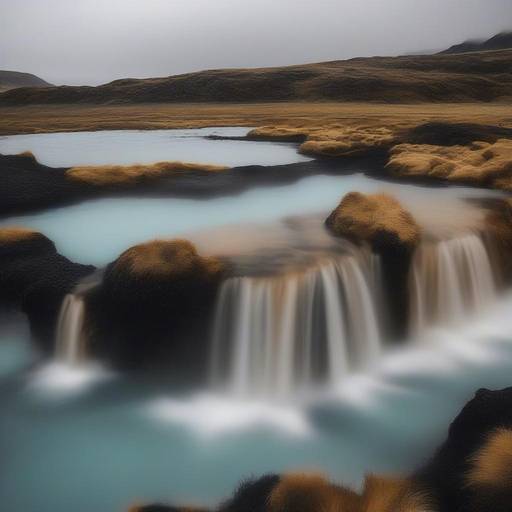
The most famous geothermal phenomena include the Grand Geysers, in the Yellowstone National Park in the United States; the geothermal fields of Hverir in Iceland; and the Geisha Valley in Kamchatka, Russia.
What is the importance of geothermal power generation?
Geothermal plays a crucial role in generating clean and renewable energy, contributing to the reduction of carbon emissions and providing a reliable and constant source of energy.
How do geothermal phenomena influence biodiversity?
Geothermal environments provide unique habitats for species adapted to extreme conditions, contributing to biodiversity and the conservation of unique ecosystems.
What future applications are glimpsed for geothermal in the field of scientific research?
Geothermalism is a crucial tool for scientific research in fields such as geology, geochemistry and biology, offering opportunities to study natural processes and understand Earth dynamics.
How can we contribute to the conservation of geothermal phenomena and their natural environment?
The conservation of geothermal phenomena implies respect for regulations and restrictions in protected areas, as well as the adoption of responsible practices with the natural environment, such as recycling and reducing the consumption of non-renewable resources.
What is the relationship between geothermal and climate change?
Geothermalism is presented as a sustainable alternative in the fight against climate change by providing an emissions-free energy source, thus reducing the dependence on fossil fuels and contributing to global warming mitigation.
In short, geothermal is a natural treasure that gives us the opportunity to explore, learn and contribute to sustainable development. Its influence on the natural world and its potential as a source of renewable energy sustain its relevance today and in the future.