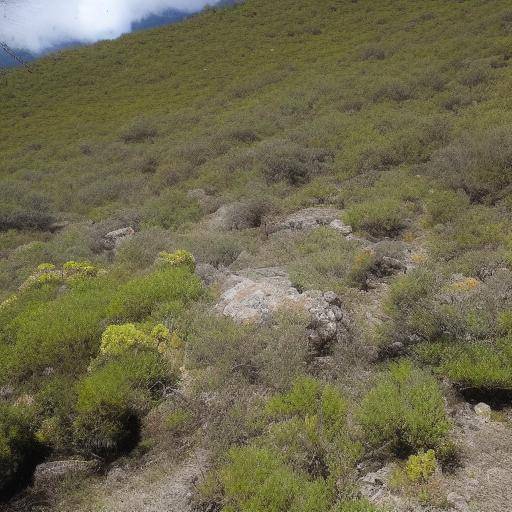
The Cyclad islands in Greece are known for their dazzling natural beauty that attracts travelers from around the world. From crystal clear waters beaches to stunning rock formations, nature in the Cyclades offers unforgettable landscapes. This article will take you to a journey through the most impressive natural landscapes of the Cyclades, exploring its fascinating history, incomparable beauty and the experiences that await you. Prepare to immerse yourself in the wonderful nature of this magnificent archipelago.
Introduction
The archipelago of the Cyclades in Greece is a true earthly paradise. Its islands, with its crystal clear waters and rich biodiversity, are the scene of some of the most impressive natural landscapes in the world. From the famous white sandy beaches to steep cliffs, the Cícladas offer a visual spectacle that leaves everyone who is lucky to visit them breathless.
In this article, we will explore in detail the most impressive natural landscapes of the Cyclades, as well as its historical importance, its unique biodiversity and the activities that make this archipelago such a special destination. We will also provide practical advice for those who wish to explore these natural wonders in person.
History and Background
The Cyclades have a rich and fascinating history dating back to ancient times. These islands have been inhabited since time immemorial and have witnessed numerous civilizations and cultures throughout the centuries. From prehistoric cyclical civilization to Roman and Byzantine influence, the Cyclades have been the scene of important historical and cultural events.
The archipelago has also played a crucial role in the development of Greek civilization, being home to some of the most important cities of antiquity, such as Delos, which was an important religious and commercial center in the classical era. The rich history of the Cyclades is evident in its archaeological monuments, ancient ruins and museums, which offer a fascinating view of life in ancient Greece.
Analysis in Deep
The nature of the Cyclades is truly impressive, with an amazing diversity of landscapes ranging from picturesque white villages to stunning cliffs and crystal clear waters. Each island has its own distinctive character and charm, which makes exploring them a unique and unforgettable experience.
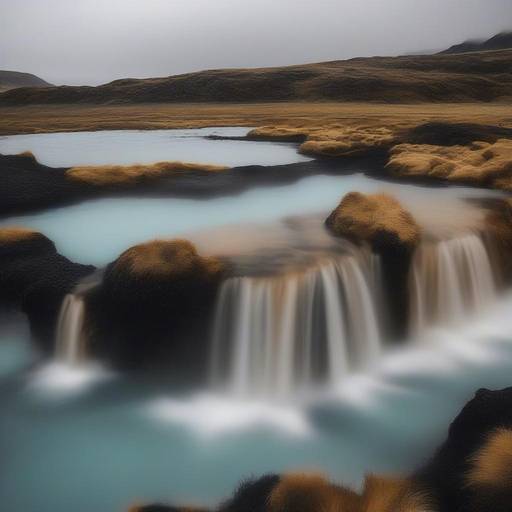
The beaches of the Cyclades are famous all over the world for their natural beauty, with turquoise waters and golden sands that invite relaxation and contemplation. Some of the most impressive beaches include the beach of Kamari in Santorini, with its impressive rocky cliff, and the beach of Kolimbithres in Paros, with its rocky formations sculpted by the sea.
The mountainous landscapes of the islands offer the opportunity to perform exciting excursions and enjoy panoramic views of the region. The white and white villages, with their traditional houses and narrow cobbled streets, are a pleasure for the senses and offer a unique vision of life in the Cyclades.
Comprehensive review
In terms of biodiversity, the Cyclades host an impressive variety of flora and fauna. The rich marine life surrounding the islands makes the Cyclades a popular destination for diving and snorkeling, with the opportunity to spot tropical fish, sea turtles and other fascinating species. In addition, the islands are home to a variety of birds, reptiles and mammals, making them a paradise for nature lovers.
The Cyclades are also known for their rich agricultural tradition, with a wide variety of crops that have adapted to the harsh climatic conditions of the islands. Olive groves, vineyards and citrus orchards are an integral part of the landscape of the Cyclades, and local products such as olive oil, wine and honey are appreciated all over the world for their high quality and characteristic taste.
Comparative analysis
Compared to other natural destinations in Greece, such as the Ionian Islands, the Cyclades present a more arid and dry landscape. However, this aridity creates a surprising contrast with the intense blue of the Aegean Sea and the clear sky, which adds to the beauty and singularity of the Cyclades. Although each region has its own charm, the Cyclades stand out for their unique combination of volcanic landscapes, rock formations sculpted by the wind and the sea, and the traditional architecture of their villages.
Practical Tips and Accessible Tips
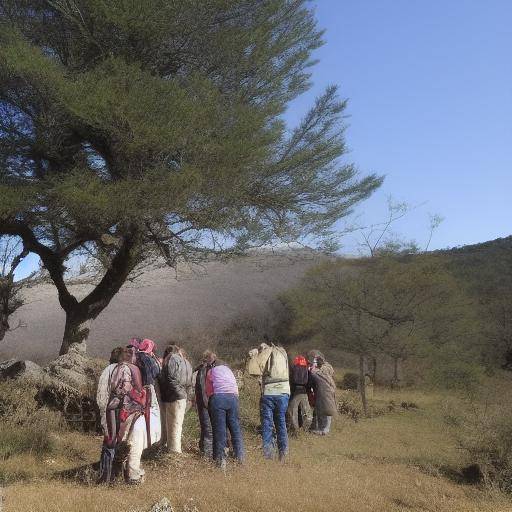
If you are planning to visit the Cyclades to enjoy their spectacular nature, it is important to take into account some practical recommendations. Some of the best ways to explore the natural landscapes of the Cyclades include boat trips around the islands to discover hidden coves and stunning rock formations, as well as hiking trails through mountain landscapes to enjoy unparalleled panoramic views.
Also, don't miss the opportunity to try the delicious local food in the picturesque villages of the islands. The cuisine of the Cícladas is known for its simplicity and authenticity, with dishes made with fresh and locally produced ingredients that reflect the rich culinary tradition of the region.
Conclusions and FAQs
In short, the natural landscapes of the Cyclades are truly impressive, offering a unique combination of natural beauty, biodiversity and traditional charm. The rich and fascinating history of the islands is reflected in its landscape, which makes every corner of the Cyclades a gem worth exploring.
Frequently asked questions
**What is the best time of the year to visit the Cyclades?**The best time to visit the Cyclades is from spring to autumn, when the weather is warm and sunny, allowing you to fully enjoy the natural landscapes and outdoor activities.
**What are the most popular outdoor activities in the Cyclades?**Among the most popular activities are diving, snorkeling, hiking and boating around the islands to discover hidden coves and stunning rock formations.
**What island of the Cyclades has the most impressive natural landscapes?**While every island has its own charm, Santorini stands out for its stunning cliffs and its wonderful panoramic views, making it an unforgettable destination for nature lovers.
**Is it possible to do guided tours to explore the natural landscapes of the Cyclades?**Yes, there are numerous companies and local guides that offer personalized excursions to explore the natural landscapes of the Cyclades, which will allow you to discover the most beautiful corners of the islands with the help of local experts.
**Is there natural reserves or natural parks in the Cyclades?**While there are no formal natural parks, the Cyclad islands are protected by their uniqueness and beauty, which guarantees the preservation of their natural landscapes within the framework of sustainable development.
**What is the most representative traditional dish of the Cyclades?**Although each island has its own culinary specialties, the most representative dish of the Cyclades is the "Santorinio Fava", a delicious yellow beans cream served with caramelized onion and olive oil, considered a delicacy for lovers of Greek gastronomy.
In conclusion, the Cyclades are a true natural paradise that offers a unique combination of stunning landscapes, rich history and a diversity of experiences for those who seek to be in contact with nature. Each rincon of this archipelago dazzles with its uniqueness and offers an unforgettable experience. From the most dazzling beaches to the richest essences of traditional architecture, the Cyclades are a natural treasure that invites us to explore, discover and enjoy.
With these descriptions and suggestions, we hope to have inspired you to immerse yourself in the wonderful nature of the Cyclades and enjoy everything this magnificent archipelago has to offer.
Remember that our team of experts is always at your disposal to help you plan and organize an unforgettable experience in the Cyclades. Do not hesitate to contact us for more information or to start planning your trip!
With that, we have concluded our journey through the most impressive natural landscapes of the beautiful Cyclades. If you have any other questions or want to know more, we are here to help you. Good trip!
Sources: