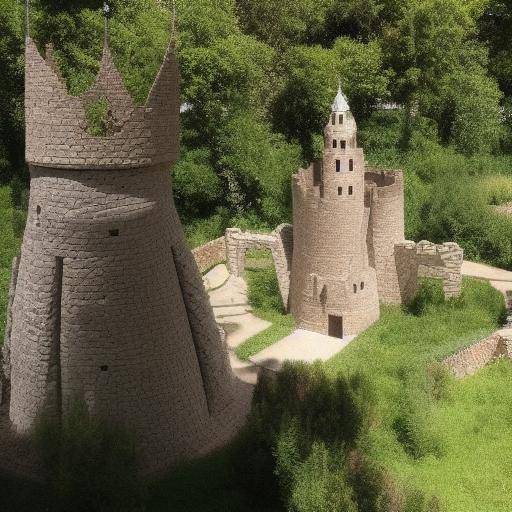
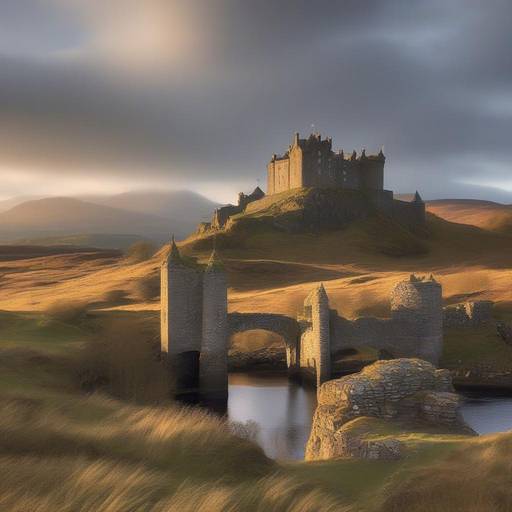
Welcome to a fascinating tour of the UK's most impressive castles! In this article, we will explore the historical wealth and majesty of these medieval monuments, which have resisted the passage of time and continue to amaze visitors from around the world. From imposing fortresses to romantic palaces, we will discover the magnificence of these architectural structures, their role in British history and the unforgettable experiences they offer to those who visit them.
Introduction
The UK hosts an impressive collection of castles that narrate centuries of history and adventures. From the impenetrable walls of defensive castles to the exquisite royal palaces, each structure tells a unique story impregnated with tradition, power and romance. Join us on this journey through time as we explore some of the UK's most overwhelming castles, revealing the secrets and legends surrounding these ancient fortresses.
History and Background
Castles have a rich and fascinating history dating back to the Middle Ages. During this period, the nobles and monarchs built castles to protect themselves from the invaders and maintain control over vast tracts of land. These imposing strengths not only served as defensive bastions, but also represented the power and authority of their builders. Throughout the centuries, castles evolved from simple wooden and earth structures to elaborate stone fortresses built with sophisticated architecture and defense techniques.
Origins and Historical Significance
The origin of the castles in the United Kingdom dates back to the Norman period, with the arrival of William the Conqueror in 1066. The Norman conquest brought with it the construction of numerous castles throughout the country, used as symbols of power and as administrative centers for the new feudal order imposed by the Normans. These structures, mostly of wood at the beginning, established the basis for the evolution of the majestic stone fortifications that characterize the British landscape.
Developments and Reflection Points
Over the centuries, the castles suffered complex transformations that reflected the changes in the political and social landscape of the United Kingdom. The Middle Ages saw the construction of some of the most emblematic castles, such as the Tower of London and the Windsor Castle, which became symbols of monarchical power. During internal conflicts and wars with other European kingdoms, castles played a crucial role as defensive bastions and strategic centers of military operations.
A turning point in the history of the UK castles was the introduction of artillery in the 14th century, which forced the redesign of many fortifications to resist the new siege methods. Some castles were modified with advanced defensive features, such as thicker walls and improved defensive systems, while others fell into disuse and became picturesque ruins.
Anecdotes and Case Studies
The Warwick Castle, a medieval fortress located in the heart of Warwickshire, offers a fascinating example of the evolution of castles in the UK. From its humble beginnings as a wooden fort in the 11th century to its transformation into a majestic stone castle in the later centuries, Warwick Castle has witnessed important historical events and has resisted numerous sieges. Its imposing architecture and magnificent gardens make it a must for those who seek to immerse themselves in the rich medieval history of the country.
The Tower of London, another historic icon in the UK, has an equally captivating history. Since its construction by") William the Conqueror in the 11th century until his role as a high security prison and royal treasure, the Tower of London encloses intriguing secrets that reveal crucial chapters of British history. Its imposing walls have witnessed countless political intrigues, conspiracy and tragedies, making this castle a living testimony of the turbulent history of the British monarchy.
Analysis in Deep
The castles of the United Kingdom played a fundamental role in the political, social and military life of the country over the centuries. Their influence spread far beyond their defensive functions, as they became cultural centers, administrative institutions and status symbols. In addition to its historical importance, castles offer valuable lessons on architecture, engineering and military strategy, revealing the ingenuity and creativity of past generations.
Current Benefits, Challenges and Trends
The castles of the United Kingdom represent a first-class tourist attraction, attracting avid visitors to immerse themselves in the grandeur and mystery of the past. However, preserving and maintaining these historical monuments entail significant challenges in terms of conservation, financing and management of cultural heritage. Despite these challenges, continuing efforts to restore and protect castles have led to innovative cultural tourism and historical education initiatives that seek to bring the magic of these ancient monuments to future generations.
Perspectives and Diverse Reviews
The role of castles in the collective imagination has generated a wide range of perspectives and opinions. Some see them as silent witnesses of a past era, evoking a sense of nostalgia and admiration for the architectural ingenuity and military skill of their builders. Others interpret them as gloomy reminders of bloody conflicts and feudal oppression. This diversity of views reflects the complexity of history and the importance of addressing it from multiple perspectives.
Details of Complex Concepts
The architecture of the castles, with its imposing towers, impenetrable walls and elaborate defense systems, offers a fascinating study of engineering and medieval design. The complexity of the planning and construction of these monuments is a testimony to the ingenuity and technical skill of medieval builders. Exploring the architectural and strategic elements of the castles allows us to understand its role in the defense of the territory and the projection of political and military power.
Comprehensive review
The UK's castles remain relevant today, not only as tourist destinations and places of historical interest, but also as cultural landmarks that inspire art, literature and creative imagination. His legacy endures in collective consciousness, serving as tangible reminders of the greatness and struggles of the past.
Applications, Case Studies and Best Practices
The conservation and sustainable management of UK castles offers valuable lessons on the preservation of historical heritage in a changing world. Innovative approaches to the restoration and adaptive use of these monuments, such as their transformation into scenarios for cultural events, hotels or educational spaces, demonstrate the versatility and continuing relevance of these centuries-old structures.
Opinions of Experts and Future Perspectives
Heritage conservation experts and archaeologists play a crucial role in protecting and studying UK castles. His experience and expertise in the preservation of historical monuments offer a insightful insight into the challenges and opportunities surrounding the management of cultural heritage. In addition, its knowledge of the techniques of excavation and archaeological analysis provides invaluable information on the evolution of the castles and the historical context in which they emerged. These expert perspectives are fundamental to the understanding and preservation of castles as tangible testimonies of British history.
Comparative analysis
The diversity of castles in the UK reflects the different eras and architectural styles that have left their mark over the centuries. From the imposing medieval fortresses to the captivating Renaissance palaces, each castle has distinctive features that make it unique. Exploring these differences and similarities allows us to appreciate the diversity and wealth of the UK's historic heritage.
Similarities, Differences and Potential Synergies
Despite its diversity, UK castles share an intrinsic connection with national history and identity. Its presence throughout the country reflects the lasting legacy of monarchy, nobility and everyday life in the Middle Ages and beyond. At the same time, the differences in its architecture, location and historical context provide a fascinating view of the evolution and cultural diversity that characterize the United Kingdom.
Examples and Scenarios Detailed
The contrast between the imposing Edinburgh Castle, built on a volcanic rock in Scotland, and the palatial splendor of Windsor Castle in England reflects how geography and local culture have influenced the construction and purpose of these historical monuments. While the first evokes resistance and strength in a challenging natural environment, the second reveals the luxury and opulence associated with British royalty. These differences offer a unique perspective on the diversity of UK castles.
Practical Tips and Accessible Tips
For travelers eager to explore the magnificent UK castles, there are practical tips that ensure a memorable and enriching experience. The care of planning, the exploration of guided tours options and the appreciation of the natural environment surrounding these monuments are just some of the recommendations that can transform a simple visit to a castle into an unforgettable journey through British history and culture.
Project ideas and development initiatives
The preservation and promotion of UK castles offer opportunities for innovative projects that promote sustainable tourism and historical education. Initiatives that integrate modern technology, such as virtual tours and interactive applications, can bring the fascinating history of castles closer to a global audience, generating greater interest and appreciation for these treasures of British cultural heritage.
Conclusions and FAQs
Conclusion
The UK castles represent an impressive historical legacy that spans centuries of history, culture and architecture. From its origins as defensive bastions to its current role as tourist attractions and live testimonies of past grandeur, castles continue to fascinate and captivate visitors from around the world. Its imposing presence and historical wealth invite us to immerse ourselves in a medieval journey that reveals the greatness and complexities of British history.
Frequently asked questions
What is the oldest castle in the UK?
The Castle of Colchester, built in 1076, is considered one of the oldest Norman castles in the country and reflects the influence of the Norman conquest in the defensive architecture of the eleventh century.
How are UK castles currently funded?
Many UK castles are funded through the combination of revenue generated by tourism, government grants and donations from private and philanthropic organizations dedicated to the conservation of historical heritage.
What is the most visited castle in the UK?
Windsor Castle, an official residence of the British royalty and one of the oldest and largest royal residences in the world, attracts millions of visitors every year, making it one of the most visited castles in the country.
How many castles are there in the UK?
It is estimated that there are around 1500 castles in the UK, each with its own history and distinctive features that reflect the country's architectural and cultural diversity.
What is the most haunted castle in the UK?
The Castle of Glamis in Scotland is known for its many stories of ghosts and legends, making it one of the most famous castles for its supposed paranormal phenomena.
Are there castles in the UK that are still private property?
Yes, many castles in the United Kingdom remain private property, either by individuals, families or private institutions. Some of these castles may be open to the public for visits or special events.
What is the largest castle in the United Kingdom?
Windsor Castle is known to be the largest and oldest inhabited castle in the world, with an extension of more than 13 acres and a rich history spanning over a thousand years.
Conclusion
The imposing charm and rich history of the UK castles offer a window to the past, allowing us to appreciate the greatness and complexity of British history. From their roles as defensive bastions to their current role as cultural icons and tourist destinations, the castles remain alive witnesses of an era lost in time, inviting us to explore and appreciate the historical legacy of a nation. This medieval journey through the most impressive castles in the UK reminds us of the importance of preserving and celebrating the cultural heritage that enriches our lives and connects us with past generations.
With this complete analysis, I invite you to immerse yourself in the fascinating world of the castles of the United Kingdom, where history comes alive through these majestic fortifications. Get ready to embark on a journey that will transport you to the golden age of medieval architecture and British nobility!