Introduction
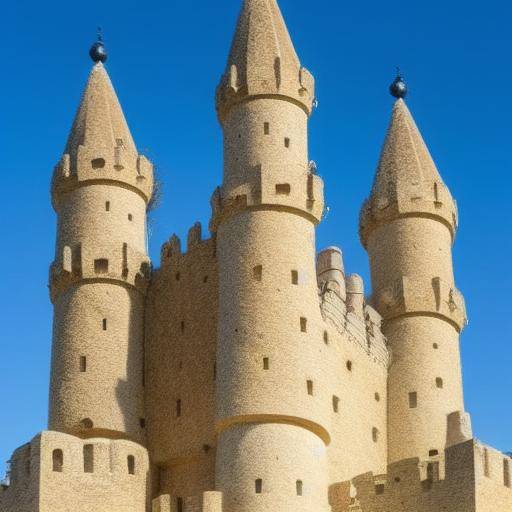
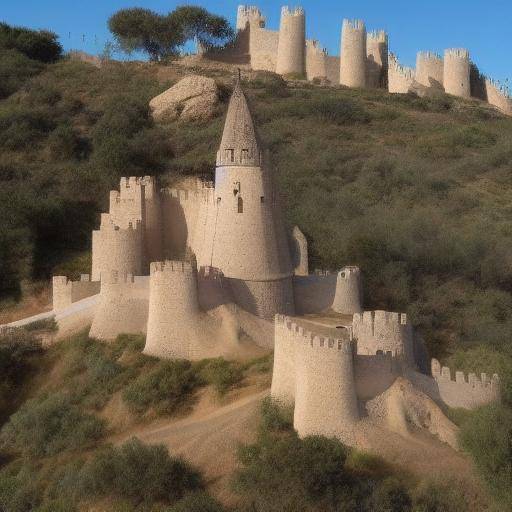
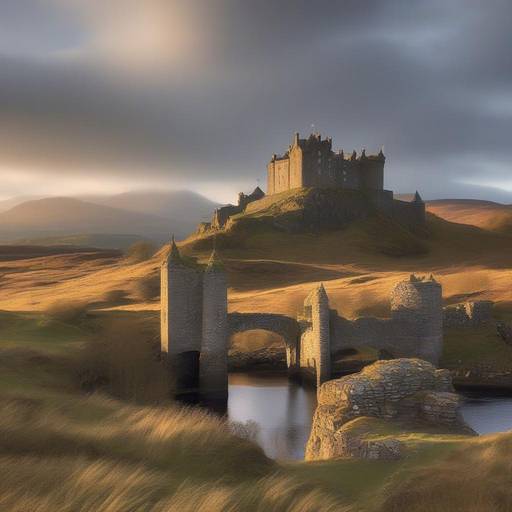
Traveling to Scotland is immersed in medieval history through its stunning castles. The majesty of these fortresses evokes past times, epic battles and tales of nobility. In this article, we will explore Scotland's most outstanding castles and fascinating stories. We will discover the greatness of its architecture, the historical relevance of each fortress and the cultural wealth they harbour. Prepare for a journey in time as we unravel the secrets of the most emblematic Scottish castles.
History and Background
The legacy of the castles of Scotland dates back centuries, when the construction of these fortresses challenged gravity and oppression. During the Middle Ages, the feudal lords and the Scottish nobility raised these great structures to protect themselves from invaders and secure their territorial dominion. The architecture of these castles reflects the splendour and strength of feudal power, as well as the evolution of the military engineering of the time.
Among the most iconic castles in Scotland is the imposing Edinburgh Castle, witness to countless battles and royal ceremonies over the centuries. Also, the Castle of Stirling, strategically located, challenged those who tried to conquer the Scottish territory. Each of these castles keeps fascinating stories of heroism, treason and splendor times that have marked the history of Scotland.
Edinburgh Castle
Edinburgh Castle, located on top of a volcanic rock, is an indisputable symbol of Scottish history. Since its construction in the 12th century, this castle has witnessed war conflicts and has housed kings and queens. Its imposing presence makes it an icon not only of the city of Edinburgh, but of all Scotland.
Castle of Stirling
For its part, the Stirling Castle, strategically located on a steep cliff, has been the scene of important battles that defined the fate of Scotland. This imposing castle rises as an unexpugnable fortress that has resisted numerous sieges throughout history.
Deep analysis
The castles of Scotland offer a window to the past, allowing us to understand everyday life, political disputes and architectural innovations of the medieval period. The conservation of these castles not only allows us to appreciate its splendor, but also preserve an invaluable historical legacy.
Despite its undeniable tourist attraction, the preservation of these castles represents a continuous challenge. Ensuring their structural integrity and protecting them from deterioration over time and climate inclemence requires constant effort and dedication. The management of these historic sites faces the challenge of balancing conservation with accessibility for the public, ensuring their enjoyment by future generations.
Technological innovations in the area of historical heritage conservation also play a crucial role in the preservation of these castles. The application of advanced conservation techniques, such as the monitoring of the structure through sensors, the restoration of walls and the preservation of original architectural elements, contributes to the protection and value of these historical monuments.
Exhaustive examination
A visit to these castles allows not only to appreciate its impressive architecture, but also to understand the daily life in the Middle Ages. The distribution of these castles in different regions of Scotland provides a diverse perspective of the history and culture of this fascinating country. Likewise, the involvement of the nobility and royalty in the construction and defense of these castles provides a detailed view of the structures of power and the social dynamics of the time.
The restoration and maintenance of these castles represent a constantly evolving challenge. The combination of traditional methods and modern preservation techniques ensures the long-term conservation of these historical jewels. The sustainable management of these sites, which guarantees their protection without compromising their authenticity, is fundamental to their cultural legacy.
The economic and tourist impact of these castles in Scotland is significant. The attraction of national and international visitors contributes to the local and regional economy, generating employment and sustaining the vitality of the surrounding communities. Cultural tourism related to castles not only enriches the experience of visitors, but also strengthens local identity and pride.
Comparative analysis
The history of Scotland, intrinsically linked to that of its castles, reveals the complexity of its cultural heritage. By comparing the history of the various Scottish castles, there are similarities and contrasts regarding their historical relevance, the influence of the noble families that occupied them, and their role in defending the territory.
In addition, the comparison between Scottish castles and other medieval fortresses in Europe highlights the uniqueness and remarkable imprint of Scottish buildings. The architectural diversity and strategic location of these castles provide a framework for understanding the evolution of military architecture and defensive engineering in the Middle Ages.
Practical Tips and Accessible Recommendations
If you plan to visit Scotland to explore these castles, we recommend taking into account the following practical tips:
- Plan ahead: Some castles require prior bookings or have specific visiting schedules.
- Explore guided tours: Many sites offer guided tours that allow a deeper understanding of castle history and architecture.
- It respects conservation regulations: It contributes to the preservation of castles respecting staff rules and recommendations.
Industry Perspectives and Expert Reviews
The perspectives of experts in architecture, history and preservation of cultural heritage offer an enriching view of the value of the castles of Scotland as a living testimony of history. Their expertise demonstrates the importance of preserving and publicizing these monuments, not only for their aesthetic value, but for their contribution to the understanding of Scotland's history and cultural identity.
Case Studies and Real Life Applications
The castles of Scotland continue to play a relevant role beyond their historical function. The use of these sites as venues for cultural events, ceremonies and film productions contributes to their revitalization and international promotion. This diversifies its uses and expands its cultural impact, making them dynamic spaces that attract diverse audiences.
Future Trends and Predictions
The future of Scotland's castles will depend on its ability to adapt to contemporary challenges such as climate change, sustainable tourism and digital promotion. Innovative management, the integration of educational technologies and interdisciplinary collaboration are expected to define the way forward to ensure the conservation and promotion of these monuments in the coming decades.
Conclusion
The castles of Scotland represent an invaluable cultural legacy that transcends the borders of time. Their impact on Scottish identity, their contribution to tourism and their historical importance make them treasures that deserve to be preserved and appreciated. By exploring these castles, we not only immerse ourselves in history, but also connect with an ancestral heritage that continues to captivate visitors from all over the world.
## Frequent Questions
1. What is the oldest castle in Scotland?
The oldest castle in Scotland is the Castle of Barnard, built in the 12th century. Its history and structure make it an indispensable monument to understand the evolution of military architecture in Scotland.
2. What is the historical importance of Stirling Castle?
Stirling Castle played a key role in Scotland's history, as its strategic location made it a crucial defensive bastion during various conflicts. In addition, it was the scene of significant historical events, such as the coronation of several Scottish kings.
3. What measures are being implemented to preserve the castles of Scotland?
Preservation measures include the application of advanced conservation technologies, structural restoration programmes and the establishment of regulations for proper management and maintenance.
4. Can you visit all the castles of Scotland?
Most castles in Scotland are accessible to the public, although some private properties may have access restrictions. It is advisable to check visiting schedules and any prerequisites before planning a tour.
5. How do castles contribute to sustainable tourism in Scotland?
The castles of Scotland attract tourists interested in the history and culture of the country, which contributes to the development of sustainable tourism while promoting the conservation of historical heritage.
6. What castles in Scotland are famous for their relationship with legends and myths?
Among the castles famous for their links to legends and myths are Dunnottar Castle, associated with the legend of the Gifts of the Jewels of the Scottish Crown, and Eilean Donan Castle, the object of numerous stories of ghosts and mysteries.
With this tour of Scotland's most impressive castles, we have discovered the greatness of its historical and architectural legacy. The majesty of these fortresses transports us to past times, where the nobility and defense of the territory shaped the Scottish identity. The preservation and dissemination of this cultural legacy are fundamental to appreciate the history and beauty of the Scottish landscape. Start a trip through these castles is to get into an unforgettable experience that connects us with the medieval roots of Scotland.