Introduction
Buckingham Palace, an icon of architecture and design, is a crown jewel that attracts millions of visitors every year. From its opulent rooms to its imposing gardens, every architectural detail tells a fascinating story. In this article, we will explore the most impressive details of Buckingham Palace, from its rich history to its stunning design. Discover with us the best preserved architectural secrets of this emblematic royal residence.
History and Background
Buckingham Palace, located in the heart of London, has witnessed centuries of real history. This majestic residence, originally known as Buckingham House, was acquired by King George III in 1761. Since then, it has experienced numerous renovations and expansions, each providing new layers of architectural splendour.
With the architect John Nash at the head, the palace took its present form during the nineteenth century, exhibiting an exquisite fusion of neoclassical and Renaissance styles. Its impressive state halls, in particular the Throne Hall and the Picture Gallery, are master examples of the architectural opulence of the time.
Architectural Details
Breathtaking Salons
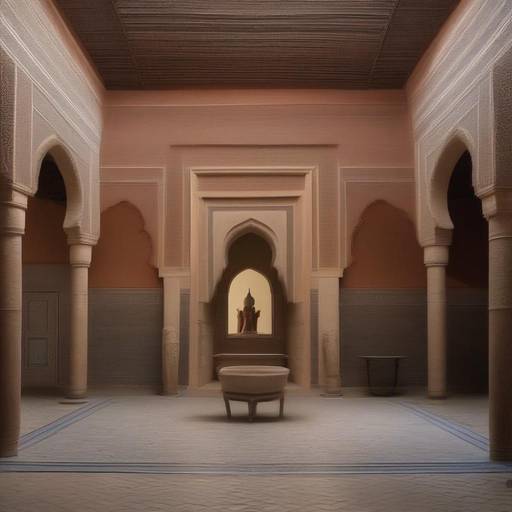
The halls of Buckingham Palace are true architectural masterpieces. From the intricate frescoes that adorn the ceilings to the exquisite golden details that surround the doors and windows, each centimeter of these spaces rezuma elegance and sophistication. The ornamental sizes and magnificent columns bear witness to the incomparable artistic and technical talent that defines this palace.
Real Gardens
The lush gardens surrounding Buckingham Palace are a reflection of landscape design in its maximum expression. The natural splendour blends harmoniously with the architecture, creating a setting of incomparable beauty. Walking through these gardens is immersed in an oasis of tranquility and witnessing the perfect synergy between nature and architectural planning.
Amazing Facade
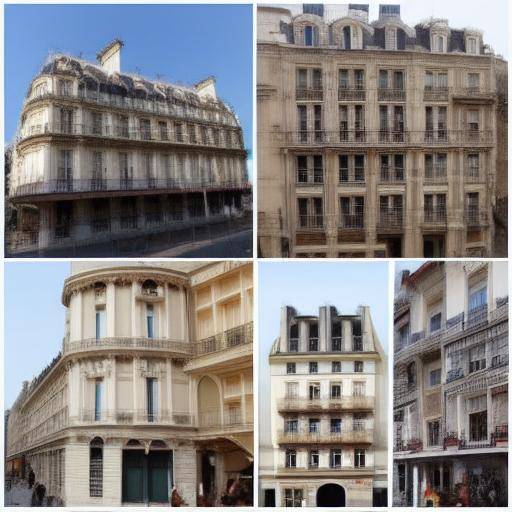
The facade of Buckingham Palace is an imposing testimony of architectural ingenuity. With its impeccable symmetry, imposing balconies and detailed mouldings, the facade conveys a sense of grandeur and elegance. Each window, every balcony and every ornament contribute to the visual grandeur that defines this royal residence.
Internal opulence
The interior of the Buckingham Palace is an ode to opulence and meticulous design. The extensive reception rooms, adorned with elaborate tapestries and sumptuous furniture, invite visitors to an exquisite luxury world. The architectural details, such as the elaborate moulds and the impressive chandeliers, add a touch of splendor to each corner.
Analysis in Deep
The Buckingham Palace, with its emblematic architecture and majestic design, is not only an outstanding tourist destination, but also an architectural wonder that arouses admiration around the world. Its carefully sculpted forms, impressive gardens and rich history make it a lasting testimony of architectural art and visionary design.
Conclusion
Buckingham Palace remains a living testament to architectural splendour and innovative design. Its exquisite details and rich history continue to fascinate visitors and art enthusiasts alike. By exploring this magnificent palace, a perfect symphony of architecture and design continues to inspire admiration in every corner. Dive into the grandeur of this architectural gem and discover the magic that only Buckingham Palace can offer!
Frequently asked questions
1. What's the story of Buckingham Palace?
Buckingham Palace has a rich history dating back to the 17th century when it was known as Buckingham House. It was acquired by King George III in 1761, and has since been a meaningful royal residence.
2. What architectural style dominates at Buckingham Palace?
The Buckingham Palace exhibits a fusion of neoclassical and Renaissance styles, especially featured in the work of architect John Nash during the nineteenth century.
3. What are the most impressive spaces within Buckingham Palace?
The Throne Hall and the Picture Gallery stand out among the most impressive spaces, showing an exquisite architectural opulence.
4. What architectural details make Buckingham Palace so special?
The fresh intricate ceilings, ornamental sizes, exquisite golden details and magnificent columns are just a few examples of the details that make the palace exceptional.
5. What is the impact of real gardens on Buckingham Palace architecture?
The gardens enhance architectural beauty through a perfect fusion between the natural and the planned, creating an environment of incomparable beauty.
6. How has Buckingham Palace been maintained over the centuries?
The Buckingham Palace has experienced numerous renovations and expansions to maintain its architectural splendor over the years.