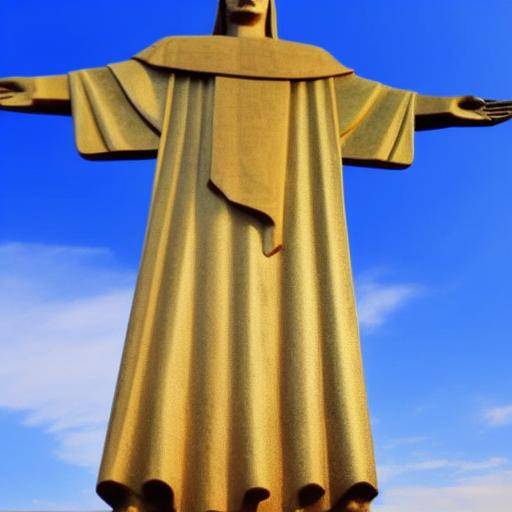
Ancient Greece has left an eternal legacy, and its monuments are silent witnesses of a golden age that has endured throughout history. From the majestic Partenón to the imposing Temple of Zeus, each monument tells a fascinating history that transports us to an era of cultural and architectural splendour. In this historic journey, we will explore the most iconic monuments of ancient Greece, discover its historical meaning and its lasting legacy today. Prepare to immerse yourself in the splendour of ancient Greece and discover the grandeur of its monuments.
Introduction
Ancient Greece has been the cradle of Western civilization, and its monuments are living testimonies of its historical and cultural legacy. In this article, we will take a journey in time to explore the most emblematic monuments of ancient Greece, from the imposing temples to the majestic sculptures. We will discover the history behind each monument, its meaning in antiquity and its lasting impact on the present world. Join us in this exciting journey through the greatness of ancient Greece.
History and Background
The history of the monuments of ancient Greece dates back thousands of years, at a time when art, architecture and philosophy reached its maximum splendor. From the 8th century BC to the 4th century BC, Greece flourished as a cultural and political power, leading to the creation of monuments that would last for centuries. The Partenón, located in the Acropolis of Athens, is undoubtedly one of the most famous monuments of ancient Greece. Built in honor of the goddess Athena, the Partenón is a symbol of Greek democracy and architectural splendour.
Another iconic monument is the Temple of Zeus in Olympia, which hosted one of the seven wonders of the ancient world: the statue of Zeus, made by the sculptor Fidias. This imposing work of golden art represented the god of the Olympics sitting on a throne, and its splendor inspired astonishment and reverence in all who contemplated it.
Deep analysis
The importance of these monuments transcends its architectural and artistic value. They represent the culmination of centuries of cultural, philosophical and political development in ancient Greece. Its refined architecture, elegant sculptures and intricate symbolism reflect the depth of Greek thought and creativity.
The monuments also played a crucial role in the daily and religious life of ancient Greece. The temples were centers of worship and rituals, where festivals were held in honor of the gods. The sculptures and reliefs that adorned these monuments not only embellished the spaces, but also conveyed mythological narratives and fundamental values for Greek society.
Comprehensive review
Today, these monuments continue to be a source of inspiration and wonder for millions of people around the world. Its influence extends beyond the borders of Greece, becoming lasting symbols of human creativity and the quest for excellence. Archaeological studies and preservation have allowed these structures to resist the passage of time, giving present generations the opportunity to admire its splendor.
Comparative analysis
By comparing these monuments with other architectural and artistic wonders of the world, it is evident that ancient Greece marked a turning point in the history of humanity. His legacy has inspired great artists, architects and thinkers throughout the centuries, and his influence can be perceived in various artistic manifestations throughout history. The elegance of the lines, the perfect symmetry and the delicacy of the architectural details continue to amaze experts and fans alike.
Practical Tips and Accessible Recommendations
If you ever have the opportunity to visit these monuments in person, we would recommend that you immerse yourself completely in its splendor. It takes the time to contemplate every detail, to appreciate the mastery of the architects and artists who built them, and to understand their historical relevance. Also, make sure you know the history and myths associated with each monument, as this will enrich your experience and global understanding of ancient Greece.
Perceptions of Industry and Expert Reviews
The experts in history of art and archaeology are united in their admiration for the monuments of ancient Greece. They recognize in them the purest expression of Greek aesthetics and the reflection of their invaluable contributions to world culture. In addition, researchers continue to unravel the hidden mysteries behind the construction and the primordial purpose of these monuments, which further enriches our understanding of their legacy.
Case Studies and Real Life Applications
The impact of the monuments of ancient Greece transcends the spheres of art and history. Today, these monuments are inexhaustible sources of inspiration for contemporary architects, designers and artists. Its influence is reflected in numerous modern creations, which seek to capture the essence of Greek aesthetics and convey its powerful emotivity.
Future Trends and Predictions
As we enter the future, it is safe to say that the influence of the monuments of ancient Greece will continue to endure. His legacy continues to inspire new research, artistic creations and reflections on human nature. The monuments remind us that, despite the temporal distance, the greatness of the human being is timeless and can be appreciated by generations to come.
Conclusion
The most iconic monuments of ancient Greece are invaluable treasures that connect us with an era of cultural and artistic splendour. His magnificence endures through the centuries, inspiring astonishment and admiration in those who seek to understand and appreciate the greatness of Greek civilization. By exploring these monuments, we immerse ourselves in a journey that transcends time, transforming our perception of art, architecture and history.
Frequently asked questions
What is the most famous monument of ancient Greece?
The Partenón, located in the Acropolis of Athens, is considered the most famous monument of ancient Greece. Its cultural and historical significance makes it a lasting symbol of the greatness of Greek civilization.
What is the importance of the monuments of ancient Greece in the history of art and architecture?
The monuments of ancient Greece are fundamental to understanding the evolution of Western art and architecture. Its lasting influence can be perceived in numerous masterpieces throughout history.
What is the legacy of the monuments of ancient Greece today?
The monuments of ancient Greece remain sources of inspiration and astonishment today. Its influence can be seen in various fields, from architectural design to contemporary artistic creation.
What is the most relevant myth associated with the monuments of ancient Greece?
Numerous myths and Greek legends are related to monuments, especially those who honor divinities. The history of Athena and the Partenón is one of the most relevant myths associated with these monuments, which highlights the importance of the Athena goddess in Greek culture.
What is the best way to preserve the monuments of ancient Greece?
The preservation of the monuments of ancient Greece requires a combination of physical conservation and environmental protection measures. It is essential to implement sustainable strategies that guarantee the integrity of these historical structures for future generations.
What is the least known but equally impressive monument in ancient Greece?
The Hera Temple in Olympia is an example of a less well-known but equally impressive monument in ancient Greece. Its elegant architecture and historical significance make it an archaeological jewel worthy of exploration.
Conclusion
The legacy of the monuments of ancient Greece transcends time and space, enriching our understanding of history, art and architecture. As we explore these monuments, we immerse ourselves in a world of beauty, meaning and grandeur created by the hands of the ancient Greeks. His lasting influence continues to inspire future generations, reminding us that the greatness of the human being can endure through the centuries.