Introduction
Yellowstone, the first national park in the world, is a symbol of natural beauty, biodiversity and conservation. In this article, we will explore the fascinating history of Yellowstone, from its discovery to its importance in conservation, highlighting its historical achievements and its role in preserving the environment.
Discovering Yellowstone
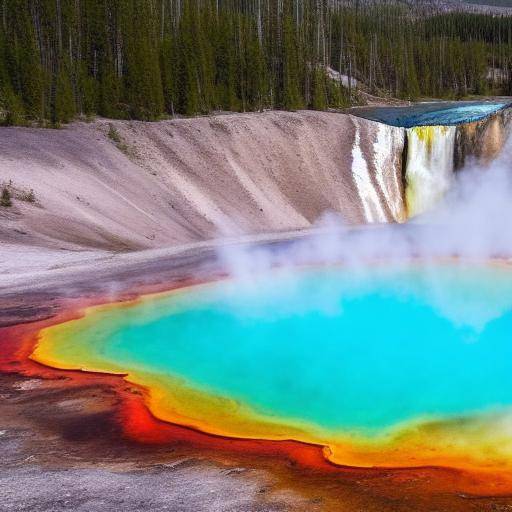
In 1870, the geologist Ferdinand V. Hayden led an expedition that explored the Yellowstone region, revealing to the world a landscape of geysers, thermal springs and majestic mountains. Yellowstone's impressive geothermal features captured the public's imagination and triggered a movement to preserve this unique land.
Establishment of the First National Park
On March 1, 1872, President Ulysses S. Grant signed the bill establishing Yellowstone as the first national park in the world. This historic milestone laid the foundation for the concept of preserving natural areas for the enjoyment of future generations.
Evolution and Development
Over the years, Yellowstone has experienced many challenges, from poaching and exploiting its natural resources to forest fires. However, the conservation measures implemented have led to the recovery of wildlife and the restoration of ecosystems.
Importance of Conservation
Yellowstone conservation has had a significant impact on the preservation of endangered species such as bison and wolf. This approach to the protection of wildlife and natural habitat has served as a model for conservation worldwide.
Current Challenges and Opportunities
Despite the successes in conservation, Yellowstone faces ongoing challenges, including tourism management and climate change. However, through collaboration between environmental organizations, government and local communities, innovative strategies are being implemented to address these problems.
International collaboration
The influence of Yellowstone transcends national borders, serving as a beacon of inspiration for conservation worldwide. The experience and knowledge gained in the management of Yellowstone have been shared with other countries seeking to preserve their own natural wonders.
Conclusions and FAQs
Conclusions
The history of Yellowstone is a testimony to the importance of preserving our natural environment. Through continuous conservation, Yellowstone remains a haven for wildlife and a place of wonder for visitors. His legacy will last for generations to come.
Frequently asked questions
- Why is Yellowstone conservation important?
- Yellowstone conservation is crucial because of its role in preserving endangered species and in protecting valuable ecosystems.
- What is the role of national parks in environmental protection?
- National parks play a key role in preserving natural areas, ensuring the conservation of biodiversity and offering spaces for outdoor education and recreation.
- What are the current challenges facing Yellowstone in terms of conservation?
- Yellowstone faces challenges such as sustainable tourism management, the preservation of ecosystems affected by climate change and the protection of wildlife in a constantly evolving environment.
- What impact does Yellowstone have on wildlife?
- Yellowstone has been instrumental in the preservation of endangered species, such as bison and wolf, and in the restoration of resilient ecosystems.
- How has Yellowstone management evolved over the years?
- Yellowstone management has evolved towards the implementation of innovative strategies that address current challenges, adopting sustainable approaches and fostering collaboration among various stakeholders.
- What is the role of the local community in the conservation of Yellowstone?
- The local community plays a crucial role in participating in environmental monitoring programs, supporting sustainable tourism practices and contributing to traditional knowledge for the effective management of Yellowstone.
Thanks for exploring the history of Yellowstone and its impact on conservation with us! We hope that this reading has been informative and inspired you to reflect on the importance of preserving our natural environment.