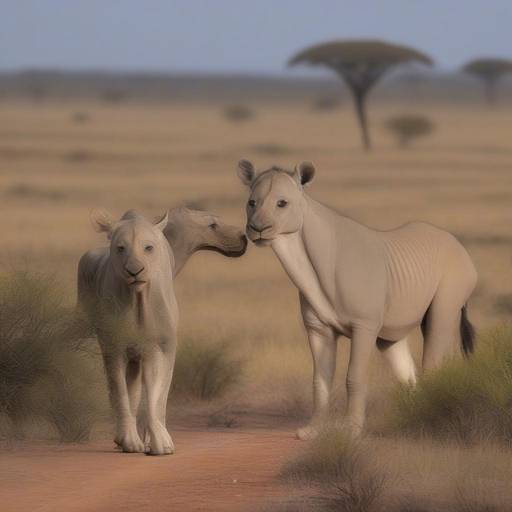
The Addo National Park, located in South Africa, is a natural landscape of great historical, cultural and ecological relevance. From its humble origin as a hunting reserve to its transformation into an icon of conservation and sustainable tourism, the history of this park fascinates those who explore it. Throughout this article, you will immerse yourself in the evolution and impact of the Addo National Park, discover the conservation efforts that have positioned it as a global benchmark and explore the connections between its history and the concept of conservation today.
Introduction
South Africa, a country full of contrasts and natural wealth, houses the amazing Addo National Park. This park, known for being home to a great diversity of flora and fauna, offers a window to the evolution of the concept of conservation over the years. From its beginnings as a refuge for elephants, to the expansion of its territory and the implementation of protection programs, the Addo National Park has experienced a significant transformation throughout its history.
History and Background
The Addo National Park has its roots in the 1930s, when it was established for the purpose of protecting the elephants that were on the brink of extinction due to uncontrolled hunting. Over the decades, the park has experienced significant expansion, encompassing a variety of unique ecosystems ranging from coastal estuaries to indigenous forests. The additions to the park over time have allowed the protection of emblematic species, such as white rhinoceros, lion and buffalo, which has helped to place the Addo National Park at the forefront of the conservation of biodiversity in South Africa.
Analysis in Deep
The challenge of balancing the needs of wildlife with those of local communities has been a central theme in the evolution of the Addo National Park. Innovative management strategies have been implemented to ensure harmonious and sustainable coexistence between humans and wildlife. The introduction of responsible and community tourism programmes has enabled local communities to gain economic benefits while protecting natural resources.
Comprehensive review
The consolidation of the Addo National Park as an example of effective and sustainable conservation has been a remarkable achievement. Its holistic approach to wildlife management, which incorporates the active participation of local communities and innovation in monitoring and conservation techniques, has attracted interest both at the national and international levels.
Comparative analysis
The comparison between the different stages of the history of the Addo National Park and the current conservation paradigms reveals a significant evolution in the approach to the protection of wildlife and ecosystems. This historic background and the current approach offer valuable lessons that can be applied to other conservation areas around the world.
Practical Tips and Accessible Recommendations
If you are interested in contributing to conservation, consider supporting responsible tourism in National Parks such as Addo, which not only provides economic opportunities to local communities, but also promotes the protection of wildlife. In addition, research on conservation organizations working on the preservation of habitats and species at risk, and consider contributing to their efforts through donations or volunteering.
Conclusions
The Addo National Park represents a tangible symbol of human capacity to promote conservation and harmonious coexistence with nature. Its history, full of challenges and triumphs, offers valuable lessons on the importance of sustainable conservation and local and international collaboration in the preservation of our natural wealth.
Frequently asked questions
What conservation measures have been implemented in the Addo National Park?
A: The Addo National Park has implemented several conservation measures, such as the expansion of its territory to protect a greater diversity of ecosystems and species, the introduction of responsible and community tourism programmes, and the active participation of local communities in the management and conservation of natural resources.
What is the importance of the Addo National Park in the conservation of biodiversity in South Africa?
A: The Addo National Park plays a crucial role in the conservation of biodiversity in South Africa by providing a safe haven for a variety of emblematic species, including elephants, rhinoceros, lions and buffaloes, as well as its holistic approach to wildlife management and the promotion of responsible tourism.
How has the conservation approach evolved in the Addo National Park throughout its history?
A: Throughout its history, the Addo National Park has evolved from its origin as an exclusive refuge for elephants to a more holistic approach involving harmonious coexistence between humans and wildlife, the participation of local communities and the implementation of innovative conservation and sustainable tourism strategies.
What impact has the responsible tourism had in the Addo National Park?
A: Responsible tourism has had a positive impact on the Addo National Park by generating economic benefits for local communities, promoting the protection of wildlife and ecosystems, and sensitizing visitors to the importance of conservation.
What are the lessons other conservation projects can learn from the Addo National Park?
A: The Addo National Park offers valuable lessons on the importance of the participation of local communities in conservation, the implementation of innovative management strategies and the promotion of responsible tourism as a means of supporting wildlife conservation.
What is the social and economic impact of the Addo National Park in local communities?
A: The Addo National Park has generated positive social and economic impacts on local communities by providing employment opportunities, supporting sustainable development initiatives and promoting the conservation of natural resources, which contributes to improving the quality of life of the surrounding communities.