Kruger National Park is a jewel of conservation and an icon of wildlife in South Africa. Its fascinating history and commitment to conservation make it a place of global importance. In this article, we will explore the history of Kruger Park, its role in conservation and how it has evolved over time.
Introduction to Kruger National Park
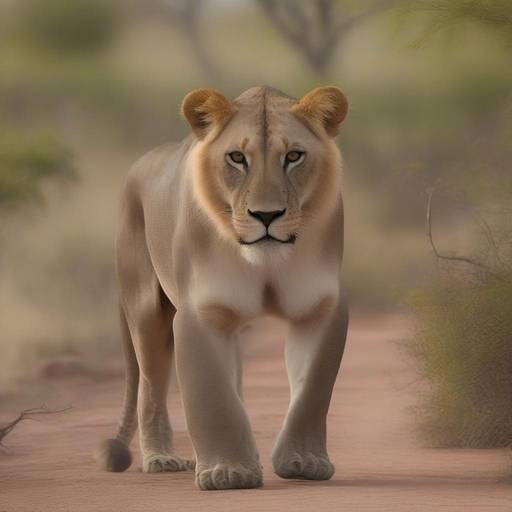
Kruger National Park, located in the northeast of South Africa, is one of the largest and oldest wildlife parks in Africa. With an extension of almost two million hectares, it houses an amazing diversity of flora and fauna, including the famous "Cinco Grandes" - lion, elephant, leopard, rhinoceros and buffalo.
History and Context of Kruger National Park
Origins and Foundation
The history of Kruger National Park dates back to the late nineteenth century, when the area was intended for the preservation of wildlife. In 1898, President Paul Kruger established the first wildlife reserve in what is now the park. Over the years, the park has grown in size and has experienced several significant developments.
Evolution and Development
In the following decades, the park experienced a number of significant changes, including the incorporation of new areas, improvements in wildlife management and a renewed approach to conservation and ecotourism.
Key Moments and Influential Characters
During its history, Kruger National Park has witnessed transcendental events and has had visionary leaders who have left an indelible mark on its development. Names such as Paul Kruger, James Stevenson-Hamilton and others have played key roles in the specification and expansion of the park.
Analysis in Deep Conservation in Kruger Park
Benefits and Challenges
Kruger National Park not only protects biodiversity, but also provides economic benefits to the region through sustainable tourism. However, it faces challenges such as poaching and managing human interaction with wildlife.
Current Trends and Developments
Today, the park focuses on the proactive conservation, biosecurity and empowerment of local communities to preserve their unique natural environment.
Significant experiences and anecdotes
The personal experiences of nearby visitors and residents offer a unique perspective on the importance of the park and how it has impacted their lives.
Comparative Analysis and Future Perspectives
Comparison with Other Protected Areas
Compare Kruger National Park with other reserves in South Africa and worldwide can shed light on its unique strengths and challenges.
Future and Emerging Trends
The future panorama of Kruger National Park includes technological advances, innovative conservation strategies and the changing role of local communities in their management.
Conclusions and FAQs
Conclusions
Kruger National Park has moved from being a colonial reserve to a symbol of human-life conservation and coexistence. Its history, current challenges and future perspectives make it a relevant case of study worldwide.
Frequently asked questions
What is the importance of Kruger Park in wildlife conservation?
Kruger Park plays a crucial role in conservation by protecting a wide variety of species in a natural environment.
How has the management of the park evolved over time?
Kruger Park management has evolved into a more holistic approach involving local communities and focuses on long-term sustainability.
What are the challenges facing Kruger National Park today?
Key challenges include poaching, managing human interaction with wildlife and preserving the ecosystem in a changing environment.
How does tourism contribute to Kruger National Park?
Sustainable tourism not only generates income for conservation and local communities, but also raises awareness of the importance of protecting wildlife and its habitat.
What measures are being taken to combat poaching in Kruger Park?
Advanced strategies have been implemented, including the incorporation of surveillance technologies and the strengthening of law enforcement to combat poach and protect wildlife.
What are some of the most outstanding species that can be found in Kruger National Park?
The park houses an impressive variety of wildlife, including elephants, lions, rhinoceros, leopards, buffaloes, as well as a wide range of birds and other mammals.
What is the impact of Kruger National Park on local communities?
The park has a significant impact on local communities through employment, education and sustainable development, providing opportunities for improving quality of life.
What is the role of technology in the conservation of Kruger National Park?
Technology plays a crucial role in park conservation, including advanced monitoring systems and data management tools to strengthen wildlife protection.
Conclusion
As we have seen, Kruger National Park has become a simple reserve to become an icon of harmonious conservation and coexistence between nature and communities. Its history, current challenges and future perspectives make it a relevant case of study globally. The importance of protecting and preserving natural spaces such as Kruger Park not only lies in its value from an ecological and tourist point of view, but also in its contribution to the ecological balance of the planet.
As we continue to address the challenges of preserving wildlife and natural ecosystems, Kruger National Park will continue to serve as a beacon of hope and an inspiring example of what effective conservation and ecotourism can achieve.
This content was created with the aim of providing relevant information about Kruger National Park, its history, its importance and the challenges it faces. We hope that it will be helpful and can raise awareness of wildlife conservation and the importance of preserving natural environments.