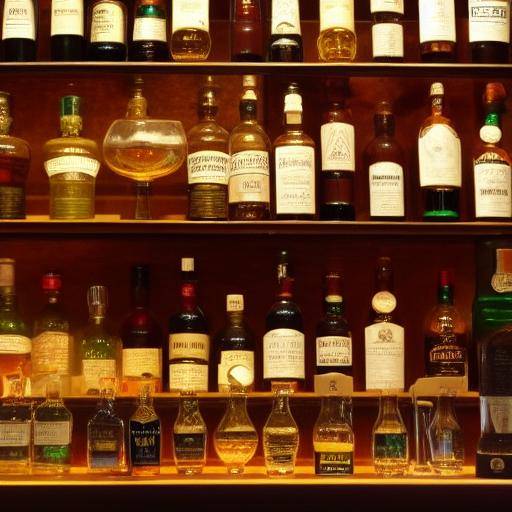
Irish whiskey, with its rich tradition and legacy, is considered one of the most emblematic spirits in the world. From its historical roots to its influence on Irish culture, it has conquered palates and hearts over the centuries. In this article, we will explore in detail the fascinating history of Irish whiskey, from its humble beginnings to its current status as one of the jewels of the liquor industry. We will discover the traditions, crafts and passion that have shaped this venerated drink, as well as its impact on Ireland's history and heritage.
Introduction
Irish whiskey, also known as "uisce beatha" or "the water of life", has its roots in Ireland's rich Celtic history. From clandestine distillation on farms to large-scale commercial production, Irish whisky has evolved and transcended over the centuries to become a global icon of distillery. In this article, we will explore the fascinating history of Irish whiskey, its role in Irish culture and its impact on the world stage, giving you a deep and enriching view of this venerated spirit drink.
History and Background
Irish whiskey has a rich and fascinating history dating back over a thousand years. Its origins are intertwined with Celtic heritage and monastic traditions of distillation. The distillation of alcoholic beverages in Ireland dates back to the 12th century, when the Irish monks began to distill aguardiente for medicinal and ceremonial uses. Over time, this practice expanded and perfected, giving way to Irish whiskey as we know it today.
During the 18th century, the distillation of whisky in Ireland experienced a significant boom, and numerous distilleries arose throughout the country. Irish whiskey gained reputation for its softness and distinctive quality, making it a coveted drink all over the world. However, the Irish whisky industry faced challenges during the twentieth century, including prohibitions, war of independence and foreign competition. Despite these obstacles, the Irish whiskey tradition persisted, and in recent decades it has experienced a remarkable rebirth, with a resurgence of new distilleries and a renewed interest in its historical legacy.
Analysis in Deep
Irish whiskey is distinguished by its triple distillation process, which results in a smooth and balanced taste. The combination of malted barley and essential grains, together with the use of copper alambiques, gives Irish whiskey its distinctive character. In addition, oak barrels previously used for aging, often from bourbon or jerez, provide nuances and complexity to the golden liquid.
This technique of distillation and aging has contributed to the reputation of Irish whisky as a high quality drink and exceptional flavor. As the Irish whisky industry continues to evolve, there has been a resurgence in experimentation with barrel finishes, limited editions and innovative techniques to meet the demand of modern consumers, while standing firm in the legacy of excellence of Irish distillation.
Comprehensive review
Irish whiskey is not only appreciated for its distinctive taste, but also for its impact on Ireland's culture and heritage. From annual festivals dedicated to whisky to distilleries tours that highlight handicrafts and history behind this venerated drink, Irish whiskey is a symbol of national pride and an integral part of Irish identity.
The Irish whisky industry not only contributes to economic development, but also promotes tourism, promotes local crafts and preserves ancestral traditions. In addition, Irish whisky has inspired literary works, folkloric songs and artistic expressions that reflect the deep emotional connection that the Irish have with this emblematic drink.
Comparative analysis
By comparing Irish whiskey with other varieties of whisky, their distinctive features are highlighted. In contrast to Scottish whiskey, Irish whiskey is usually distilled three times in copper alambiques, giving it a particular softness and delicacy. On the other hand, U.S. whiskey, especially bourbon, is made with a higher percentage of corn in its grain mix, which gives it a sweeter and more robust flavor compared to the soft profile of Irish whiskey.
In terms of tradition, Irish whiskey is associated with a deeply rooted history in the monastic and Celtic community, giving it an aura of mysticism and unique cultural heritage. This historical distinction has contributed to the global perception of Irish whiskey as a spiritual beverage with reverence for its ancestral legacy.
Practical Tips and Accessible Tips
If you are interested in immerse yourself in the world of Irish whiskey, here are some practical tips to appreciate and enjoy this magnificent drink:
- Try different brands and styles of Irish whiskey to discover your taste preferences.
- Take part in whiskey tastings or distillery tours to learn about the processing and aging process.
- Experience with Irish food and whisky pairings to discover new combinations and contrasts of flavors.
- Research the history and legends associated with Irish whiskey to deepen your understanding and appreciation for this iconic beverage.
Conclusions and Frequently Asked Questions (FAQ)
In conclusion, Irish whiskey is not only a surprising example of craftsmanship and unique quality, but also a testament to Ireland's rich history and cultural heritage. Its influence extends far beyond geographical boundaries, resonating in pop culture, literature and culinary traditions worldwide. With its soft taste and deep connection to Irish identity, Irish whiskey continues to captivate whiskey lovers and culture enthusiasts alike, perpetuating its legacy on the global stage of spirits.
Frequently asked questions about the Irish Whiskey
What is the difference between Irish whiskey and Scotch?
Irish whiskey is distilled three times in copper alambiques, while Scottish is usually distilled twice in copper alambiques, resulting in a softer and more delicate flavor for Irish whiskey compared to Scottish whiskey.
What are the whiskey producing regions in Ireland?
Key regions for the production of Irish whisky include County Cork, County Antrim and County Waterford, among others. Each region provides distinctive features to its whiskies, both in taste and aromatic profile.
What is the best time to enjoy a good Irish whiskey?
Irish whiskey can be enjoyed on a variety of occasions, either as a relaxing drink at the end of a busy day or as an enveloping company during a social meeting. The versatility of Irish whisky makes it suitable for any time you want to appreciate its refined taste and rich cultural heritage.
What is the best way to appreciate Irish whiskey?
To fully appreciate Irish whiskey, it is recommended to drink it at room temperature in a glass of appropriate whisky to capture its aromatic nuances and complex flavors. It is also useful to spend time observing its color, smell its aromas and savor its flavor in each sip, for a complete tasting experience.
What is the future of Irish whisky in the global liquor industry?
The future of Irish whiskey is bright, with growing interest and appreciation worldwide. Continuous innovation in distillation techniques, aging and experimentation with new flavors and styles will lead to the expansion and diversification of the Irish whisky market in the global field.
What role does Irish whisky play in Irish culture and heritage?
Irish whiskey is a symbol of national pride and an integral part of Ireland's cultural heritage. From festivals dedicated to whisky to its presence in celebrations and traditions, Irish whisky reflects the rich history and Irish identity, strengthening its cultural legacy and its influence in modern society.
What is the process of making Irish whisky?
The process of making Irish whisky involves the malting of barley, the preparation of the mixture of grains, fermentation, triple distillation and aging in oak barrels. Each stage contributes to the creation of a smooth, balanced and full of character whisky, with a fascinating complexity of flavors and aromas.
In conclusion, Irish whisky is much more than an alcoholic beverage; it is a symbol of tradition, crafts and cultural heritage. Its rich history and lasting legacy position it as a national treasure of Ireland and a recognized emblem all over the world. From its humble beginnings to its current prominence, Irish whiskey continues to captivate whiskey lovers and the curious alike, perpetuating its legacy in the global scene of spooky liquors.