South Africa, an emblematic country in the conservation of wildlife, has been at the centre of international attention because of its efforts to preserve endangered species, such as rhinoceros, and its conservation history extends beyond geographical boundaries, encompassing a vast landscape that has evolved over the years. In this article, we will explore the history of conservation in South Africa, from its inception to the current developments, highlighting the challenges, achievements and future prospects. Prepare to immerse yourself in a journey through South Africa's time and commitment to protecting its rich biodiversity.
Introduction
A look at the natural wealth of South Africa
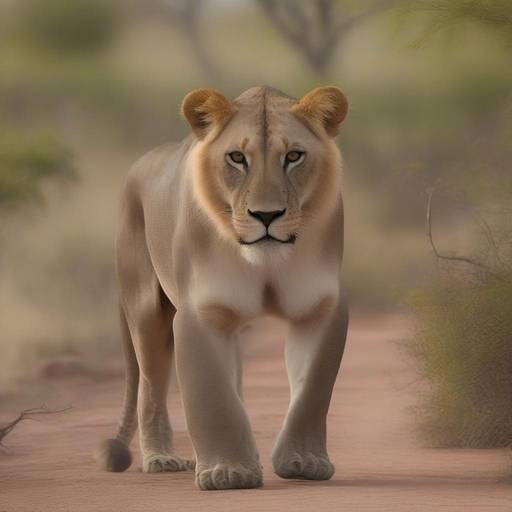
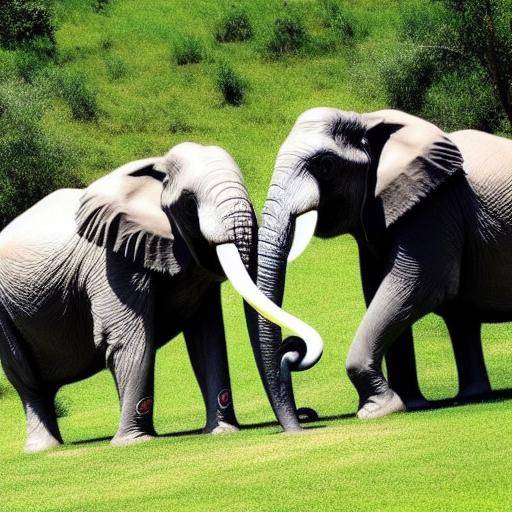
South Africa, land of stunning landscapes and unique biodiversity, hosts countless species of plants and animals. From the majesty of his lions to the grace of his elephants, the country is a treasure of wildlife. However, this lush biodiversity has faced significant threats over time, which have led to the need to preserve it with long-term determination and vision.
History and Background
The history of conservation in South Africa dates back to colonial times, when the first protected areas were established in order to safeguard nature and its inhabitants. Over the years, various events have shaped the evolution of conservation in this nation, marking significant milestones that have defined its approach to environmental protection.
The origins of conservation
In the second half of the nineteenth century, during the British domain, the bases for the preservation of wildlife in South Africa were established. The creation of natural parks and reserves laid the foundation for greater awareness of the importance of protecting the country's natural heritage. As South Africa progressed towards independence, conservation became a fundamental pillar of its national identity.
Evolution of conservation
The twentieth century witnessed significant growth in conservation efforts, with a renewed focus on the preservation of endangered species and the sustainable management of ecosystems. The creation of Kruger National Park in 1926 marked a crucial milestone in the protection of indigenous fauna and flora, setting a precedent for conservation worldwide. Since then, South Africa has been at the forefront of conservation, implementing innovative strategies and collaborating with international environmental protection organizations.
Achievements and challenges
Conservation efforts in South Africa have achieved remarkable successes, including the recovery of endangered species populations, such as black and white rhinoceros. However, the country also faces critical challenges, such as poaching and loss of natural habitats, which threaten the long-term sustainability of its ecosystems. The struggle to balance economic development with environmental conservation has been one of the main areas of tension, which requires a holistic and collaborative approach to finding durable solutions.
Approach to the future
As South Africa moves forward, conservation continues to play a crucial role on the national agenda. The integration of environmental policies and the promotion of sustainable practices have become key priorities, reflecting a continuing commitment to the protection of wildlife and ecosystems. With an approach to environmental education and community participation, South Africa seeks to forge a path to harmonious coexistence between man and nature.
Depth analysis
Benefits of conservation
The conservation of wildlife in South Africa entails a wide range of benefits, which go beyond the protection of species themselves. The preservation of natural ecosystems not only contributes to climate stability and the provision of natural resources, but also promotes sustainable tourism, generating economic opportunities for local communities and promoting global environmental awareness.
Current challenges
The poaching continues to pose a significant threat to conservation in South Africa, especially in the case of iconic species such as rhinoceros. The demand for rhinoceros horns in the illegal market has triggered a crisis that endangers the survival of these majestic creatures. Furthermore, pressure on natural habitats due to urban and agricultural development poses additional challenges for long-term conservation.
Current trends and developments
South Africa has taken innovative measures to address conservation challenges, from strengthening security in reserves to implementing advanced monitoring technologies to protect wildlife. Collaboration between government agencies, NGOs and the private sector has led to integrated approaches that seek to holistically address poaching and promote harmonious coexistence between local communities and wildlife.
Comprehensive review
Applications and best practices
The conservation approach in South Africa has led to innovative initiatives, such as the active participation of local communities in the management of natural reserves, the promotion of responsible ecotourism and the implementation of programmes for the rehabilitation of endangered species. These practices have become models to follow globally, highlighting the positive impact that community engagement in wildlife conservation can have.
Expert opinions and future perspectives
Conservation experts in South Africa underscore the importance of adopting an integrated approach that balances conservation with human development. The need to promote peaceful coexistence between local communities and wildlife, as well as the adoption of sustainable practices in all sectors, stands out as an imperative to ensure a prosperous future for both nature and future generations.
Comparison and contrasts
By comparing the conservation approach in South Africa with other nations, their position is evidenced as a pioneer in the implementation of innovative strategies and the promotion of community participation. The country ' s unique biodiversity and its long-term conservation commitments place it in a leading position in the international arena, serving as a beacon of hope for the preservation of wildlife in other regions of the world.
Practical advice and recommendations
Measures for citizen participation
The conservation of wildlife in South Africa also depends heavily on the support and participation of citizens. The adoption of sustainable practices in daily life, support for community conservation projects and the promotion of ethical ecotourism are concrete ways in which the public can contribute significantly to the protection of the country ' s natural heritage.
Promoting awareness
Education and awareness-raising are key pillars for ensuring the continued success of conservation in South Africa. Encouraging understanding of the challenges facing wildlife and the importance of its protection is essential to fostering positive change in attitudes towards conservation and the environment in general.
Industry perspectives and expert opinions
South Africa ' s conservation approach has been discussed and evaluated by industry experts. Its perspectives highlight the need to address emerging challenges with creativity and commitment, as well as the importance of promoting research and innovation in the field of conservation to effectively address current and future problems.
Case studies and practical applications
Success in reintroduction of species
The reintroduction of species, such as the black rhinoceros, in protected areas has been a testimony of South Africa's commitment to conservation. These efforts have shown that, with careful management and effective collaboration, it is possible to restore populations of threatened species, giving hope for the future of wildlife in the country.
Development of private reserves
The private nature reserve model in South Africa has proven to be an effective tool for conservation, while generating economic benefits for local communities. Through collaboration between the private sector and government authorities, it has been possible to establish protected areas that host an impressive diversity of species and contribute to sustainable development.
Future trends and predictions
Impulsive towards sustainability
South Africa is aimed at adopting more sustainable approaches in all aspects of conservation, from natural resource management to the promotion of environmentally friendly agricultural practices. The emphasis on sustainability will be critical to addressing future challenges and ensuring long-term protection of wildlife and ecosystems.
Challenges on the horizon
Despite significant progress, South Africa faces ongoing challenges in its conservation quest. The pressure on population growth and urban expansion, combined with the effects of climate change, pose growing challenges that will require innovative and collaborative solutions to ensure the viability of long-term conservation.
Conclusion
In short, the history of conservation in South Africa is a testimony of determination and commitment. From its humble beginnings to its current pioneering efforts, the country has demonstrated its ability to forge a path to harmonious coexistence between man and nature. While facing ongoing challenges, South Africa remains at the forefront of conservation, offering valuable lessons and hope for the preservation of wildlife worldwide.
Frequently asked questions
What are the most emblematic species of wildlife in South Africa?
South Africa hosts an incredible diversity of wildlife, including iconic species such as lion, elephant, rhinoceros, leopard and buffalo, known as the "big five". These species are iconic in the African landscape and represent a fundamental part of the country's natural heritage.
What are the biggest conservation challenges in South Africa?
Poaching, habitat loss, wildlife coexistence in urban and rural areas, and invasive species management are some of the key challenges facing South Africa in its conservation quest. These challenges require comprehensive and collaborative strategies to address them effectively.
What is the role of local communities in wildlife conservation in South Africa?
Local communities play a key role in conservation, as their active participation not only promotes the protection of wildlife, but also generates economic and social benefits. Community management of natural resources and ecotourism are examples of how communities are involved in conservation.
How is conservation financed in South Africa?
Conservation in South Africa is funded through a combination of sources, including government, non-governmental organizations, the private sector, tourism, donations and international agreements. These resources contribute to conservation, research, environmental education and management of protected areas.
How can tourism contribute to conservation in South Africa?
Tourism plays a vital role in conservation by generating income that supports wildlife protection programmes, providing employment in local communities and raising awareness of the importance of conservation. Sustainable and ethical tourism promotes the preservation of ecosystems and wildlife.
What are the most outstanding conservation projects in South Africa?
South Africa hosts several outstanding conservation projects, such as the Black Rinoceros Conservation Project, marine conservation initiatives in the coastal region and efforts to protect endemic and endangered species. These projects represent significant commitments to the protection and preservation of the country ' s wildlife.
Conclusion
The history of conservation in South Africa is an exciting story of resistance, innovation and dedication. From its humble beginnings to its current pioneering efforts, the country has demonstrated its ability to forge a path to harmonious coexistence between man and nature. Despite the ongoing challenges, South Africa remains at the forefront of conservation, offering valuable lessons and hope for the preservation of wildlife worldwide.