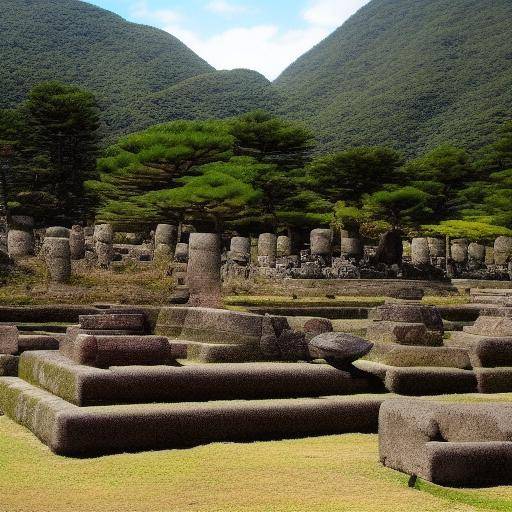
The Balinese temples express the rich spirituality and deep connection with the history and culture of the island. Since ancient times, these temples have played a fundamental role in the lives of the inhabitants of Bali, and their architectural beauty and spiritual significance continue to fascinate visitors from all over the world. In this article, we will explore the history of the Balinese temples from their humble beginnings to their relevance today, providing a profound and detailed view of their evolution over the centuries.
Introduction
The Balinese temples, also known as "Pura", witness the rich history and profound spirituality of Bali. From their origins in antiquity to their influence in contemporary society, these temples have played a fundamental role in daily life and the religious ceremonies of the Baliness. In this article, we will explore the fascinating history of the Balinese temples, from their historical roots to their present importance, immersed in the very essence of the Balinese culture.
History and Background
Origen of the Balinese Temples
The history of the Balinese temples dates back to ancient times, where the influence of Hinduism in the region played a crucial role in the development of religious architecture. The first remnants of temples in Bali date back to the first centuries of our era, when indigenous communities began to adopt Hindu faith and build sanctuaries to worship their deities. These primitive buildings laid the foundations of what would later evolve into the majestic temples that we now know.
Evolution throughout the century
Over time, the architecture of the Balinese temples experienced a remarkable development, influenced by the dynasties that ruled the island and by the religious and artistic currents that came from other regions of Indonesia. The temples not only became centers of devotion, but also in exponents of the architectural mastery and the Balinese spirituality. During the various kingdoms that dominated the island, the temples played a leading role, reflecting the cultural and religious richness of Bali in each of its buildings.
Impact on the Current Society
Today, the Balinese temples remain the fundamental pillars of spiritual and social life on the island. Its influence extends beyond the religious and ceremonial aspect, being a central element in the cultural identity of Bali. Preservation and respect for these temples are a priority for the Balinese society, which continues to keep alive the old traditions and practices associated with these emblematic sites.
Analysis in Deep
Spiritual and Cultural Importance
The Balinese temples are the epicenter of the spiritual life of the island, serving as meeting points for the community and as scenarios of deep rituals and religious festivals. The harmony between architecture and the natural environment in which temples are located provides an exceptional framework for spiritual practice and contemplation, forming an essential part of the tangible and intangible heritage of Bali.
Conservation Challenges
Despite its importance, the Balinese temples face significant challenges in terms of conservation and preservation. Urban growth and mass tourism pose challenges to maintaining the integrity of these historic sites, which has motivated local and government initiatives to protect and safeguard the legacy of temples.
Current Trends and Futures
In the modern era, the Balinese temples continue to evolve to adapt to the demands of a constantly changing society and the influx of international visitors. This balance between tradition and contemporaneity represents a constant challenge to preserve the authenticity and spiritual meaning of temples, while adapting to the current dynamics of society.
Comprehensive review
Applications in the News
In addition to their spiritual importance, the Balinese temples also play a crucial role in the nutrition of sustainable tourism and in the promotion of local culture. The exquisite architecture and mystical atmosphere of these temples attract travelers from around the world, generating a positive impact on the economy and the promotion of the cultural heritage of Bali.
Outlook of Experts
The protection and preservation of the Balinese temples represents an issue of discussion between experts, academics and local authorities. Approaches to balancing tourism and heritage preservation are subject to constant discussion, with the aim of ensuring that these historical monuments will perish for future generations.
Comparative analysis
Balinese Temples and Culture
The intersection between the temples, the history and the culture of Bali is a unique manifestation of the Balinese identity. The integration of spirituality in the daily life of the community, through ritual practices and festivals, demonstrates the profound connection between the architecture of the temples and the way of life of the Baliness.
Synergies and Differences
The Balinese temples have significant similarities and differences with other religious sites in the region, highlighting their intricate ornamentation, their distinctive rituals and their deep connection with the surrounding nature. These characteristics distinguish them as a unique expression of Balinese spirituality and cosmovision.
Practical Tips and Recommendations
Responsible visits
If you plan to visit the Balinese temples, it is essential to do so with respect and consideration for local religious practices. Appropriately, following conservation indications and being aware of the cultural importance of the place are crucial aspects for an enriching and respectful experience.
Participation in Festivals
Take advantage of the opportunity to participate in religious festivals held in the temples, immersed in the unique spiritual and cultural atmosphere offered by the island. Observing and participating in traditional rituals is a way to understand and appreciate the depth of the connection between the people of Bali and their temples.
Industry Perspectives and Expert Reviews
Visions to the Future
Experts on cultural heritage and tourism share their vision of the future of the Balinese temples, emphasizing the importance of addressing contemporary challenges with innovative strategies that preserve the authenticity and cultural value of these sacred sites.
Emerging trends
Emerging trends in the management of cultural sites suggest the implementation of sustainable approaches and the active participation of the community in the conservation of the Balinese temples, ensuring their continuity and relevance in a constantly changing world.
Conclusions
The history of the Balinese temples is a testimony of the profound spirituality and rich cultural heritage of Bali. From its origins in antiquity to its role in contemporary society, the Balinese temples continue to be living symbols of the island's identity and tradition. Its preservation and care represent a perpetual commitment for present and future generations, ensuring that these spiritual monuments perish as sacred witnesses of the history and culture of Bali.
Frequently asked questions
What is the most emblematic temple in Bali?
The most emblematic temple in Bali is the "Pura Besakih", known as the "Mother Temple", being the largest and most important temple complex on the island.
What is the meaning of the Balinese temples for the local community?
The Balinese temples are of paramount importance to the local community, as they represent the spiritual bond with their ancestors, the Hindu nature and deities, as well as the centre of religious celebrations and cultural festivals.
How can you contribute to the conservation of the Balinese temples?
Contributing to the conservation of the Balinese temples can be done through responsible practices such as respecting local norms by visiting the temples, supporting initiatives of preservation and awareness of the cultural and spiritual importance of these places.
What is the best time to visit the Balinese temples?
The best time to visit the Balinese temples is during religious festivals and special ceremonies, which offer a unique view of Balinese spirituality and culture.
What is the impact of tourism in the Balinese temples?
Tourism has a significant impact on the Balinese temples, as it can contribute both to its preservation and conservation challenges, so it is important to promote sustainable tourism that respects the cultural and spiritual integrity of these sites.
What is the role of the Balinese temples in the local economy?
The Balinese temples play an important role in the local economy through religious and cultural tourism, generating employment and economic opportunities for the local communities around them.
How are the Balinese temples preserved for future generations?
The preservation of the Balinese temples for future generations involves conservation efforts, education on their cultural importance, and the active participation of local communities in the protection of their historical and spiritual heritage.
With these frequent questions, we hope to have provided clear and comprehensive answers to the Balinese temples, their history and their meaning to the local community and visitors.
In short, the Balinese temples represent much more than architectural monuments; they are guardians of the history and spirituality of Bali. Its preservation and appreciation are essential to keep alive the rich cultural heritage of the island and to enable future generations to enjoy their spiritual and architectural splendor.