Introduction
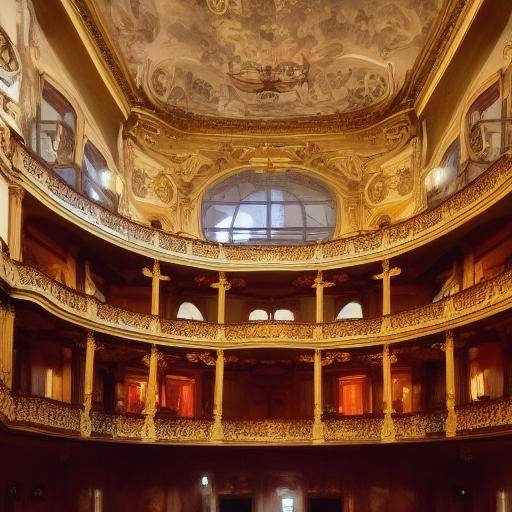
With its majestic gardens, impressive architecture and rich history, the Schönbrunn Palace in Vienna, Austria, is a jewel that has left an imprint in history. In this article, we will explore in detail the historical importance of this iconic palace, the significant events that have taken place on their lands and their influence in Austria over the centuries. From its origins to its role today, we will know how the Schönbrunn Palace has shaped the history and culture of Austria.
History and Background
The Schönbrunn Palace, known for its baroque splendour, plunges its roots in the 14th century, when it was only a modest hunting farm. However, it was in the 18th century when Emperor Leopoldo I ordered the construction of a summer palace, laying the foundations for the architectural wonder we know today. Over the centuries, the palace has witnessed crucial events, from the coronation of Francisco José and María Teresa to historical moments such as the Vienna Congress. It is in this scenario that the fate of Austria has been forged and decisions have been made that have influenced the history of Europe.
Analysis in Deep
The grandeur of the Schönbrunn Palace extends far beyond its dazzling architecture. It has been the scene and witness of decisive moments in European history, from palatial intrigues to treaties that have transformed the political map. Exploring these events gives us a unique vision of the politics, economy and society of past times, while allowing us to understand how these dynamics have shaped contemporary Austria.
Exhaustive examination
The relevance of Schönbrunn is evident when observing its influence on tourism, culture and Austrian identity. This historic palace has become a national symbol, attracting visitors from all over the world, who marvel at its majestic halls and immaculate gardens. In the midst of this beauty, Schönbrunn also faces challenges, such as heritage conservation and sustainable tourism management, which require an innovative and conscious approach to its historical legacy.
Comparative analysis
By comparing the impact of Schönbrunn with other historical milestones, it is evident that its unique combination of architecture, history and natural environment places it as an exceptional case. Unlike other European palaces, Schönbrunn stands out for his intrinsic relationship with nature, creating a unique setting that combines human grandeur with respect for the environment.
Practical Tips and Accessible Tips
For history and culture enthusiasts, visiting Schönbrunn is an enriching experience. When planning a visit, it is advisable to know in advance the schedules, the best routes to explore the palace and the most outstanding details of its history. In addition, respecting conservation and sustainability standards is critical to ensuring that Schönbrunn remains a historic treasure for future generations.
Industry Perspectives and Expert Reviews
Experts on heritage history and conservation recognize Schönbrunn's incalculable value as a cultural and educational resource. Their opinions shed light on the importance of preserving this legacy and the positive impact it has on the understanding of the history of Europe.
Case Studies and Real Life Applications
A detailed look at conservation projects and Schönbrunn-based educational initiatives reveal practical experiences that demonstrate their vital role in preserving history and promoting cultural tourism in Austria.
Future Trends and Predictions
As the world moves towards a more sustainable and conscious approach to tourism and heritage preservation, Schönbrunn is expected to lead the way by adopting innovative practices that balance conservation with the visitor's experience. In addition, Schönbrunn's role as a centre of historical and cultural research is a motor for future discoveries that will enrich our understanding of the past.
Conclusions and FAQs
Conclusions
The Schönbrunn Palace is not only a historic monument, but a living testament to the greatness and complexity of the history of Austria and Europe. Its lasting impact on Austrian cultural identity and its influence transcends borders, attracting visitors from around the world. Exploring their history and implications for the future allows us to fully appreciate their meaning and lasting value.
Frequently asked questions
What is the story of the Schönbrunn Palace?
Schönbrunn had its beginnings as a hunting estate, but it was transformed into a summer palace by Emperor Leopoldo I in the eighteenth century. Since then, it has been the scene of crucial events in the history of Austria and Europe.
What makes Schönbrunn unique in European history?
The combination of its splendid Baroque architecture, its extensive park and its role in key historical events make it a unique milestone in European history.
How has Schönbrunnn influenced Austrian culture?
The palace has become a national symbol that attracts visitors from around the world, contributing significantly to the tourism and cultural identity of Austria.
What challenges does Schönbrunn face today?
Sustainable tourism management, heritage conservation and the preservation of the natural environment are some of the key challenges facing Schönbrunn today.
What can you learn from Schönbrunn's history?
The history of Schönbrunn offers important lessons on the impact of cultural heritage on national identity, the preservation of the environment and the importance of cultural tourism.
What is the future of Schönbrunn?
Schönbrunn is expected to lead the path in sustainable practices, combining heritage conservation with an enriching experience for visitors, and remains a historical and cultural research centre.
Concluding, the Schönbrunn Palace in Austria not only represents a historic landmark of great relevance, but also symbolizes the cultural and historical wealth of Europe. Its impact persists in the identity of Austria, influencing culture, tourism and heritage preservation. This article has offered a detailed look at the iconic history of the Schönbrunn Palace, its impact on Austria and the legacy it continues to leave in the world.
With this knowledge, readers will be able to appreciate the magnitude of history and the importance of preserving and learning from historical monuments such as Schönbrunn, thus ensuring that these wonders perish for future generations.