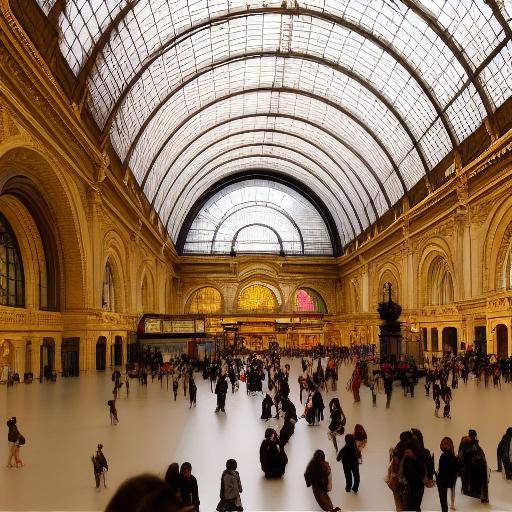
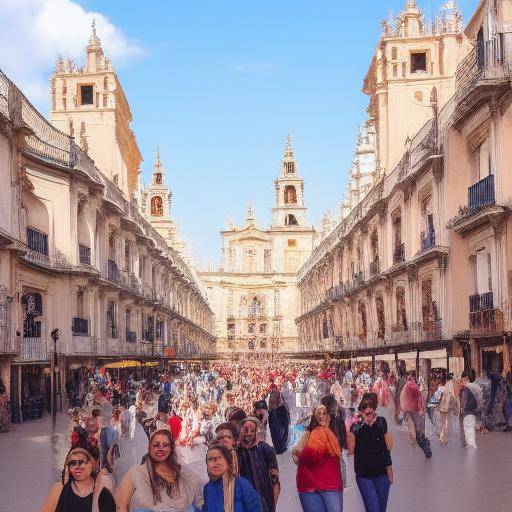
The palaces of Spain witness the rich history, opulence and elegance that have characterized this country over the centuries. From majestic royal residences to splendid Renaissance palaces, Spain hosts an impressive collection of palatial architecture that leaves every wonderful visitor. In this guide, we will explore the most impressive palaces in Spain, its history, architecture and the tourist experience they offer.
Introduction
Spain is a country known for its rich historical and cultural heritage, and its palaces are testimony to it. From the splendor of the medieval era to the refinement of the Renaissance and the splendour of the Baroque, the palaces of Spain reflect the greatness of their history. With this article, you will enter a journey through the majesty of the most outstanding palaces in Spain and discover the fascinating blend of art, architecture and culture they offer.
History and Background
The palaces of Spain have their roots in medieval times, when royalty and nobility sought to build residences that reflect their status and power. The Royal Palace of Madrid, with its imposing architecture, is one of the most outstanding examples of the influence of the monarchy in the construction of palaces. During the Renaissance, the palatial architecture experienced a rebirth, with the introduction of classic elements and lush gardens.
In the Modern Ages, the palaces acquired a new dimension with the incorporation of Baroque and Rococo styles, which were reflected in the Royal Palace of Aranjuez and the Royal Palace of La Granja. The nineteenth century brought with it an architectural eclecticism, evident in the Royal Palace of La Almudaina, where Gothic, Renaissance and Baroque elements are combined. These palaces not only witness the architectural evolution, but also the political and cultural changes that Spain has experienced over the centuries.
Analysis in Deep
Tourism in the palaces of Spain has experienced significant growth in recent years, attracting avid travelers to immerse themselves in history and art. According to data from the National Statistical Institute, the number of visitors to the royal palaces has increased by 20% in the last five years, indicating a growing interest in the cultural wealth of Spain. This trend is supported by the fact that the palaces offer a unique experience that combines art, history and architecture, which attracts national and international tourists alike.
Comprehensive review
The palaces of Spain are not only tourist destinations, but also centers of art and culture. Many of these palaces house collections of art of incalculable value, including paintings, sculptures, tapestries and historical furniture. The Royal Alcazar of Seville, for example, houses an impressive collection of Mudejar tiles, dating from the 14th and 15th centuries, while the Royal Palace of Madrid houses the most important collection of Stradivarius in the world. In addition, the architecture and gardens of the palaces are a manifestation of the aesthetic beauty and luxury that has captivated visitors over the centuries.
Comparative analysis
When comparing the palaces of Spain with those of other European countries, the richness and diversity of the palatial architecture are highlighted. While France is famous for its Renaissance palaces, such as the Palace of Versailles, Italy stands out for its Baroque palaces, such as the Royal Palace of Caserta. However, Spain is distinguished by the fusion of architectural styles that are reflected in its palaces, which makes the tourist experience unique and surprising.
Practical Tips and Accessible Tips
Practical Tips and Accessible Tips
- When visiting the palaces of Spain, it is advisable to book tickets in advance, especially during the high season, to avoid long queues and ensure availability.
- Most of the palaces offer guided tours that provide a deeper view of their history and architecture. Take this opportunity to enrich your experience.
- Do not forget to explore the gardens and outdoor spaces of the palaces, as they are often as impressive as their interiors.
- It respects the rules and regulations of each palace, such as the prohibition of taking photographs in certain areas, to preserve the integrity of cultural heritage.
Industry Perspectives and Expert Reviews
According to cultural tourism experts, the Spanish palaces play a key role in promoting cultural heritage and attracting international visitors. These spaces are not only tangible testimonies of history, but also contribute significantly to the economy and the tourism sector of Spain.
Case Studies and Real Life Applications
An outstanding example of the influence of the palaces in everyday life is their appearance in cinematographic and television productions. Many of the palaces in Spain, such as the Alcázar de Segovia or the Royal Palace of Madrid, have served as scenarios for international films and series, which has increased their visibility globally and attracted a new audience interested in exploring these architectural jewels.
Future Trends and Predictions
As cultural tourism continues to gain popularity, the Spanish palaces are expected to become even more attractive destinations for travelers from around the world. The integration of technologies such as virtual reality and increased reality could offer enriching experiences for visitors, allowing them to explore the palaces in an innovative and totally immersive way.
FAQs
What are the most famous palaces in Spain?
Spain hosts a lot of famous palaces, but some of the most outstanding include the Royal Palace of Madrid, the Alcázar of Segovia, the Royal Palace of La Almudaina and the Royal Alcázar of Seville.
Are Spain's palaces accessible to people with reduced mobility?
Most of the palaces in Spain have taken measures to improve their accessibility, with ramps, lifts and other devices that facilitate the visit to people with reduced mobility. However, it is advisable to consult the accessibility specifications of each palace before planning the visit.
What kind of art and decoration can be found in the palaces of Spain?
The palaces of Spain host a wide range of works of art and decoration, including paintings, tapestries, sculptures, ancient furniture and a variety of decorative elements that reflect the different artistic styles and eras.
Is photography allowed in the palaces of Spain?
In most of the palaces it is possible to take photographs, but with restrictions in certain areas to preserve the heritage. It is advisable to review the specific rules of each palace before taking photographs.
When is the best time to visit the palaces of Spain?
Spring and autumn are usually the best times to visit the palaces of Spain, as the weather is more temperate and there is less influx of tourists compared to the summer months.
Are there discounts available for the entrance to the palaces of Spain?
Some palaces offer reduced rates for students, seniors or groups, so it is advisable to check the discounts available when planning the visit.
Conclusion
The palaces of Spain are architectural jewels that narrate the rich history of the country and offer an unforgettable tourist experience. From the grandeur of the Royal Palace of Madrid to the exquisite architecture of the Real Alcázar of Seville, each palace reveals a unique facet of the history and culture of Spain. With its impressive architecture, valuable art collections and stunning gardens, the Spanish palaces captivate visitors from around the world. This guide seeks to inspire travelers to explore the beauty and grandeur of the most impressive palaces in Spain, immersed in centuries of history and architectural wonder.
With this complete guide to the most impressive palaces in Spain, you will be ready to immerse yourself in the architectural and historical grandeur of these magnificent monuments. From preparing your visit in advance to exploring the cultural wealth that you have, this guide provides you everything you need to enjoy an unforgettable experience in the palaces of Spain. Get ready to immerse yourself in the majesty of the most impressive palaces in Spain and discover the rich history and art they have witnessed over the centuries!