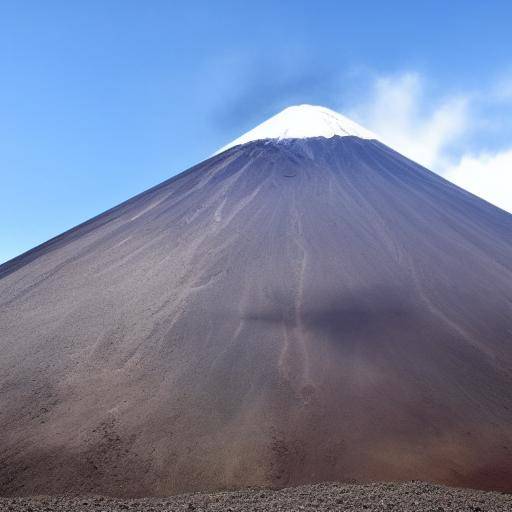
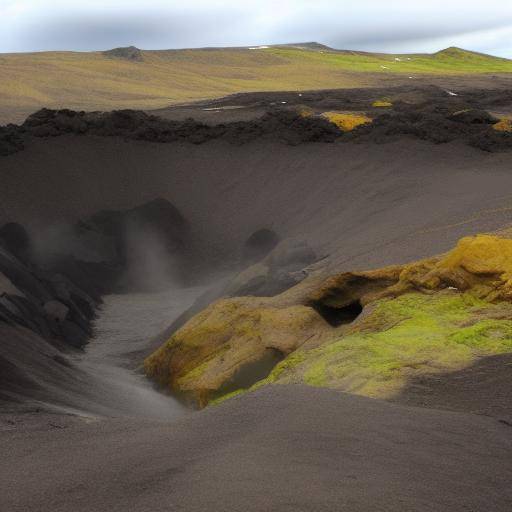
Glaciers, those majestic ice rivers that sculpt landscapes with their slow but imposing passage. Their formation and evolution have been a fascinating geological phenomenon that has shaped the face of the Earth over millennia. In this article, we will immerse ourselves in the geology and history of glaciers, exploring its origin, historical and current impact, as well as its relevance today. Join us on a journey through the ice and rock to unravel the secrets of these natural wonders.
Introduction
Glaciers, synonymous with majesty and mystery, are vast tracts of ice that move slowly, sculpting mountains and valleys over the centuries. Its influence on the environment and human history is undeniable, and its formation is an impressive geological process that invites us to enter the past of the Earth.
History and Background
Since ancient times, glaciers have been silent witnesses of Earth's history. Its origins date back to immemorial times, when glaciers covered extensive areas of the planet, leaving imbombable footprints at their pace. We will discover the impact of glaciers in the past, from the ice age to their influence on ancient civilizations.
The Deep Analysis
Let us enter the geology of glaciers, exploring their formation, structure and behavior. We will unveil the complex forces that give life to these ice masses, as well as the glacial phenomena that have left an indelible mark on Earth's geology.
Comprehensive review
Beyond its imposing presence, glaciers have a significant impact on geology and the environment. We will explore their implications, challenges and relevance in the current context.
Comparative analysis
We compare glaciers with other geological elements, exploring similarities, differences and the role they play in the history and geology of our planet.
Practical Tips and Accessible Recommendations
How can we appreciate and protect these glacier treasures? We will explore practical advice and recommendations to preserve and understand the importance of these monumental ice landscapes.
Industrial Perspectives and Expert Reviews
The opinions of experts and current trends give us a clear view of the role of glaciers in geology and history, as well as their implications for the future.
Case Studies and Real Life Applications
We will explore detailed case studies showing practical applications of geological knowledge related to glaciers and their influence in history.
Future Trends and Predictions
By glimpsing the future, we will analyze emerging trends related to glaciers and offer predictions based on current data and expert opinion.
Conclusion
Throughout this journey through geology and the history of glaciers, we have discovered its influence on the natural and human world. Their formation and evolution continue to be a fascinating riddle that invites us to explore these vast seas of ice with renewed wonder. May this deep look at glaciers inspire greater understanding and appreciation for these natural monuments.
Frequently asked questions
How are glaciers formed?
Glaciers are formed by the accumulation of compacted snow that becomes ice over time, creating masses of ice in motion.
What is the historical importance of glaciers?
Glaciers have left a profound mark on Earth's geological history, sculpting valleys and mountains, as well as influencing climate patterns and the development of life on the planet.
How do glaciers affect the landscape?
Glaciers model the landscape through processes such as erosion and deposition, creating U-shaped valleys, morrenas and other unique geological features.
What is the impact of glaciers on climate change?
Glaciers are sensitive indicators of climate change and their regression or advancement can have significant impacts on sea level, freshwater supply and other aspects of the environment.
Why do some glaciers have an intense blue tone?
The ice of glaciers may appear blue due to the compression of the ice and the selective absorption of light, which causes the dispersal of shorter wavelengths, giving this characteristic tone.
What is the relationship between glaciers, geology and human history?
Glaciers have had a significant impact on the geology of the planet and human history, from the formation of reliefs to their influence on the development of civilizations.
How can we contribute to the conservation of glaciers?
The conservation of glaciers requires measures to mitigate climate change, reduce pollution and preserve water-dependent ecosystems from glacial dehydration.
In short, glaciers are much more than imposing ice masses. Their formation, evolution, history and geology invite us to reflect on the transcendence of these natural monuments, as well as their profound impact on the environment and history of the Earth.