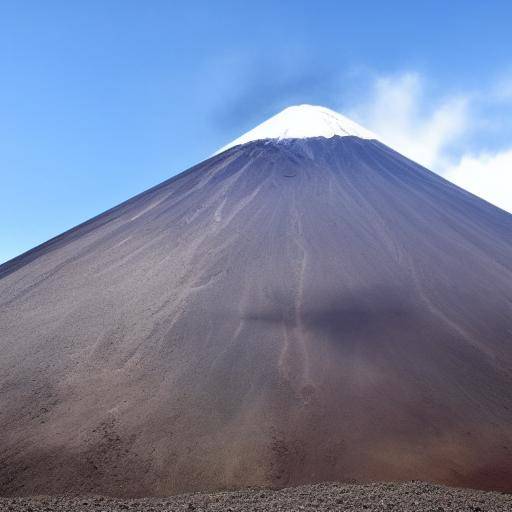
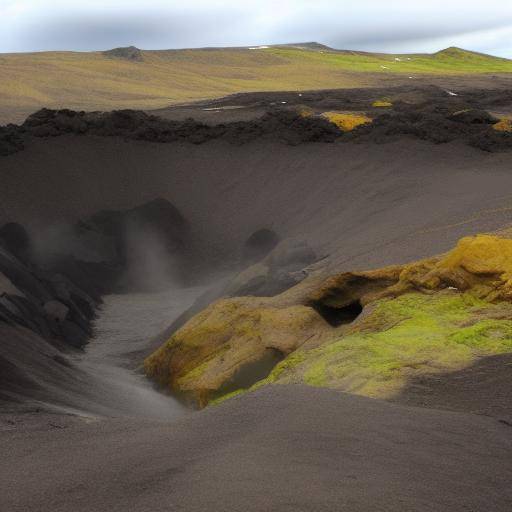
Yosemite is a dream destination for nature lovers, with its majestic mountains, spectacular waterfalls and lush forests. However, behind this scenic beauty lies a fascinating geological history that has shaped this iconic landscape. In this article, we will explore the geological formation of Yosemite, its history, and how it has evolved over time.
Introduction
Located in the Sierra Nevada de California, Yosemite National Park is famous for its granite cliffs, deep valleys, huge sequoias and exceptional biological diversity. The incomparable beauty of Yosemite attracts millions of visitors every year, but few know the incredible story behind this natural show.
History and Background
The Yosemite National Park has been inhabited by the Miwok and Paiute indigenous tribes for millennia before European settlers arrived in the region in the nineteenth century. However, it was in the mid-19th century when the expedition led by Joseph R. Walker, a famous explorer of the time, discovered and named the Yosemite valley, thus taking this amazing place to the attention of the world.
The protection of Yosemite as a protected area began with the Yosemite Conservation Act of 1864, which granted the state of California land ownership to ensure its preservation. This was a crucial step in the conservation of the natural beauty of Yosemite and its rich biodiversity. In 1890, President Benjamin Harrison signed the Park Creation Act, establishing the Yosemite National Park.
Deep analysis
Yosemite's geological formation is as unique as it is fascinating. The uniqueness of Yosemite land is due to the combination of geological processes that have taken place over millions of years. The interaction between volcanic activity, the uprising of mountains, glaciers and river erosion has been fundamental in the creation of these imposing rock formations.
The Yosemite valley itself was created by the action of the glaciers, which excavated the granite over millions of years, leaving behind steep terraces, rounded domes and vertical cliffs. The famous Half Dome and El Capitan, two of the most emblematic rock formations of Yosemite, are the result of these geological processes.
Exhaustive examination
The geological formation of Yosemite is not only a phenomenon worthy of study, but also has a significant impact on the environment and ecology of the region. The rich granite soil is home to a great diversity of flora and fauna, some of which are endemic in the region.
However, not everything is good news. Climate change and human activity pose significant challenges to the preservation of Yosemite's unique ecosystem. Sustainable management and conservation are key to protecting the natural beauty of Yosemite for future generations.
Comparative analysis
By comparing the geological formation of Yosemite with other national parks, it is evident that its uniqueness lies in the unique interaction between geology, history and biodiversity. While other national parks may have equally impressive geological features, none offers the unique combination of elements that make Yosemite such an extraordinary destination.
Practical Tips and Accessible Tips
If you plan to visit Yosemite and explore their geological formation, here are some practical tips that will help you get the most out of your experience:
- Research on hiking trails that take you to the most impressive geological formations.
- Check with park rangers for up-to-date information on the conditions of the ground and safety recommendations.
- Take advantage of the opportunities for interpretive learning offered by the park to better understand the geology of Yosemite.
Industry Perspectives and Expert Reviews
According to geology experts, the formation of Yosemite is an amazing testimony to the complexity and beauty of geological processes. Scientists continue to study the geological processes in Yosemite to better understand the evolution of the landscape and how their unique beauty can be preserved in a constantly changing world.
Case Studies and Real Life Applications
Multiple case studies illustrate the importance of conserving Yosemite geology for scientific research, sustainable tourism and environmental education. The geological wealth of Yosemite is fundamental to understanding the geological processes at deep time scales, as well as the conservation of endemic species and the impact of climate change on mountain ecosystems.
Future Trends and Predictions
As awareness of the importance of the conservation of Yosemite geology grows, investments in scientific research and educational programmes are expected to increase. The integration of technology, such as remote monitoring and advanced geological modeling, will play a key role in understanding and preserving the geological formation of Yosemite.
Conclusion
The geological formation of Yosemite is a striking testimony of the intricate processes that have shaped this amazing place. From its history to its current impact, Yosemite continues to amaze and attract people from around the world. By understanding and appreciating the geological history of Yosemite, we can unlock a deeper appreciation of the majesty of nature.
Frequently asked questions
1. Why is Yosemite's geological formation so unique?
The combination of volcanic activity, glaciation and river erosion has led to a unique geology, with imposing granite cliffs, deep valleys and emblematic rock formations.
2. What is the best time to visit Yosemite and appreciate its geological formation?
Spring and autumn are usually the best times to appreciate the geological formation of Yosemite, as temperatures are moderate and landscapes are in its splendor.
3. Are there guided geological tours available in Yosemite?
Yes, the park offers tours and interpretive programs that explore the fascinating geology of Yosemite, given by expert guides.
4. What is the importance of preserving the geological formation of Yosemite?
The conservation of Yosemite geology is crucial to understanding the natural history of the Earth, preserving the unique biodiversity of the park and ensuring a natural legacy for future generations.
5. How can I learn more about Yosemite geology before my visit?
The official website of the Yosemite National Park offers educational resources, scientific publications and geological maps that can help you better understand the geological formation of Yosemite.
6. What are the current measures being taken to preserve the geological formation of Yosemite?
Conservation efforts include environmental monitoring programmes, scientific research on geological evolution, as well as measures to promote responsible and sustainable tourism practices.
In short, the geological formation of Yosemite is an incomparable natural phenomenon that deserves to be explored, studied and preserved. Whether you are an enthusiast of geology, a nature lover or an adventurous traveler, Yosemite offers a unique experience that is based on its unique geological history.