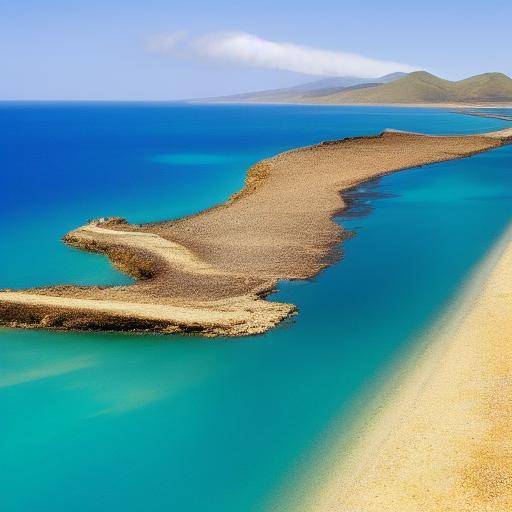
The Aolias Islands, a volcanic archipelago located in the Tyrrhenian Sea, north of Sicily, are an impressive natural spectacle that has fascinated scientists, tourists and nature lovers for centuries. In this article, we will immerse ourselves in the history, geology and formation of these magnificent islands, exploring their geological relevance, their historical impact and how they have shaped the environment over time.
History and Background
The Aolias islands, known locally as "Isole Eolie", owe their name to Eolo, the Greek god of the winds. The history of this archipelago dates back to ancient times, with evidence of human settlements dating from the Bronze Age. However, its geological importance is not limited to its cultural heritage; the geological formation of the Aolias Islands is a natural phenomenon constantly evolving.
The complex interactions between volcanic and tectonic processes over millions of years have shaped these islands, creating unique and diverse landscapes. From the initial eruption that gave rise to these lands to the continuous interaction between fire and sea, each chapter of the geological history of the Aolias Islands has left an imprint on its landscape and on the scientific understanding of the evolution of the earth.
Analysis in Deep
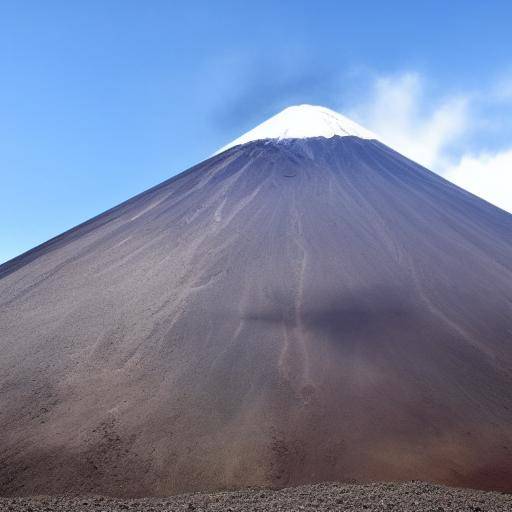
The geology of the Aolias Islands is marked by volcanic activity, leading to extraordinary rock formations and the characteristic steep relief of the islands. This geological singularity has attracted the attention of geologists, vulcanologists and science enthusiasts, offering a wide range of opportunities for ongoing studies and research on the geological and volcanic evolution of the region.
In addition, the geological history of the Aolias Islands is closely linked to the human history of the region. The exploitation of their natural resources, the influence on the local economy and the impact on biodiversity are areas of interest that require detailed analysis to fully understand the complexity of this millennial interaction.
Exhaustive examination
The exploration of the geology of the Aolias Islands not only provides valuable information on the current geological processes, but also serves as a palpable reminder of the intricate relationship between the Earth and its inhabitants. Through in-depth studies, we can discover how the geological forces have shaped the landscape, influencing everyday life, culture and prospects for sustainable development in the region.
In addition, a thorough analysis of the geological formation of the Aolias Islands allows us to better understand the challenges and opportunities presented in this unique environment. From the conservation of natural heritage to the management of volcanic risks, the geology of the Aolias Islands plays a key role in the planning and development of policies for the future of the region.
Comparative analysis
By comparing the geological characteristics of the Aolias Islands with other volcanic environments, such as Hawaii or Iceland, we can identify significant similarities and differences that enrich our global geological knowledge. This comparative analysis gives us a broader perspective on the dynamics and diversity of volcanic processes, enriching our understanding of the geology and evolution of the earth.
In addition, when comparing the geological history of the Aolias Islands with that of other coastal regions, we can discern common patterns and unique exceptions that help us to capture the complexity of the coastal and marine environments in the context of the geological and geographical evolution of our planet.
Practical Tips and Accessible Recommendations
For those interested in exploring the geological wonders of the Aolias Islands, it is essential to follow certain practical advice to ensure a safe and enriching experience. When visiting volcanic areas, it is essential to follow the indications of local guides and to respect environmental protection regulations. In addition, taking advantage of opportunities to participate in geological excursions and observation activities of volcanic activity can provide a deeper understanding of the geology of the region.
Conclusions and FAQs (FAQs)
In conclusion, the geological formation of the Aolias Islands is an impressive testimony of the dynamics and beauty of nature, as well as an invaluable resource for scientific research and geological education. By understanding and appreciating the complexity of these geological processes, we can nurture a greater awareness of the interconnection between earth, sea and life on Earth.
FAQs:
**1. What is the geological importance of the Aolias Islands?**The Aolias Islands are of significant geological importance due to its volcanic origin and its continued geological activity. Its study provides valuable information on the evolution of land and volcanic processes.
**2. What impact have geological processes had on the human history of the Aolias Islands?**Geological processes have influenced the human history of the Aolias Islands by shaping the landscape, providing natural resources and affecting economic activity and biodiversity.
**3. How can the geological areas of the Aolias Islands be visited safely?**It is important to follow the indications of local guides, respect environmental protection regulations and participate in geological excursions organized to visit the geological areas of the Aolias Islands safely.
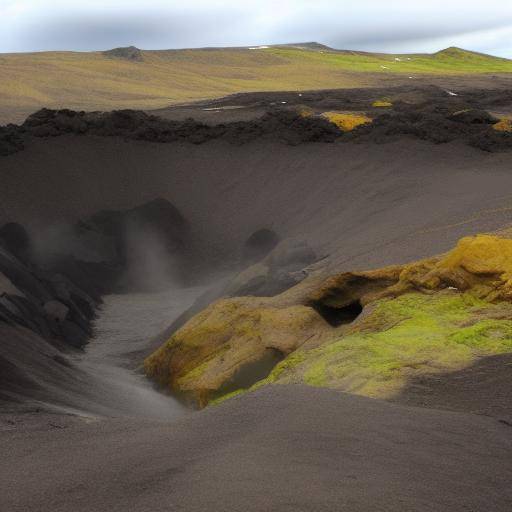
**4. What are some examples of unique geological formations in the Aolias Islands?**Among the unique geological formations in the Aolias Islands are volcanic craters, lava cliffs and fumaroles, which show the diversity of geological activity in the region.
**5. What is the relevance of the geology of the Aolias Islands in the global context?**The relevance of the geology of the Aolias Islands in the global context lies in its role as a natural laboratory to understand geological processes and its contribution to the conservation of geological heritage.
**6. How can the Aolias Islands inspire sustainable and educational practices in the geological field?**The Aolias Islands can inspire sustainable and educational practices by serving as an example of the interaction between geological processes and human activity, fostering environmental awareness and the conservation of geological heritage.
In short, the exploration of the history and geology of the Aolias Islands invites us to appreciate the profound interconnection between land, sea and life on Earth, as well as to recognize the importance of protecting and understanding geological processes in the context of our existence.