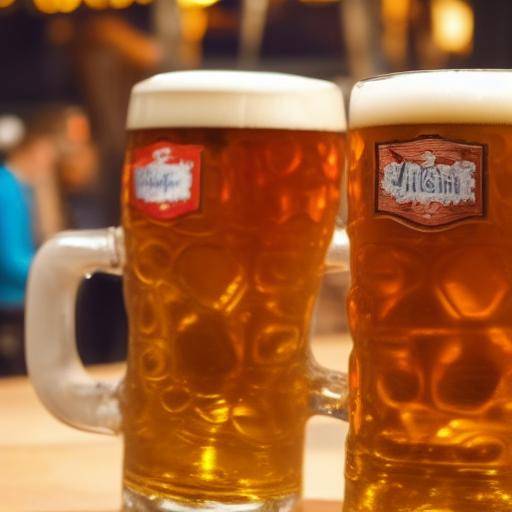
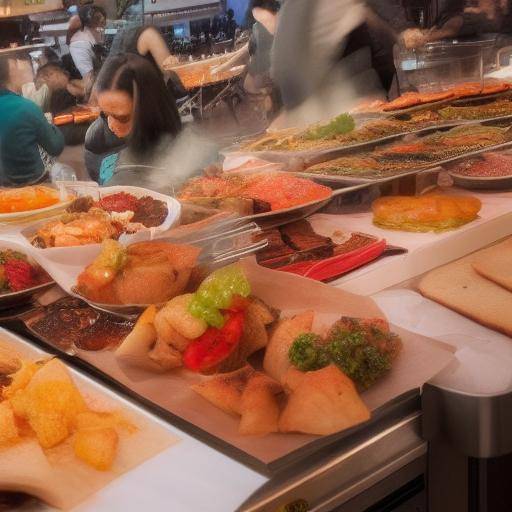
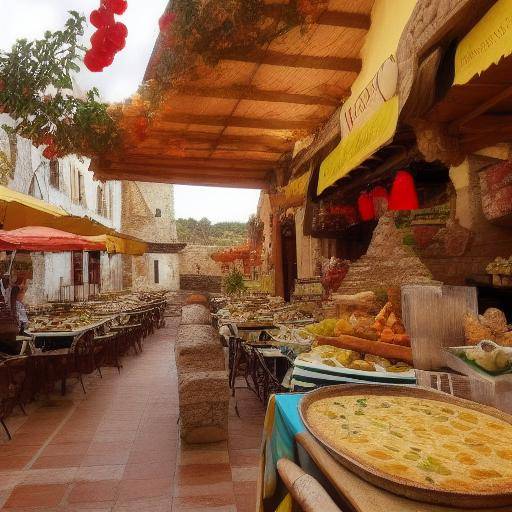
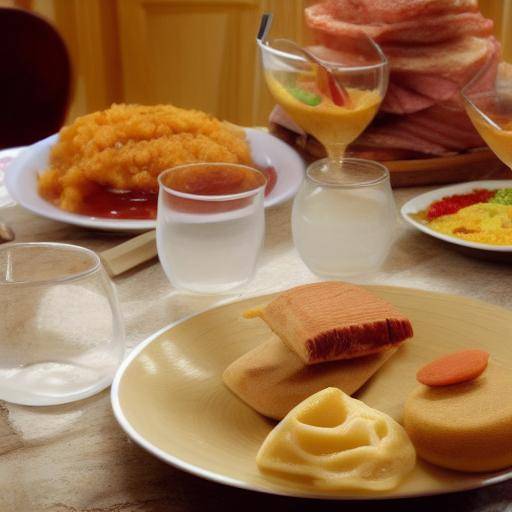
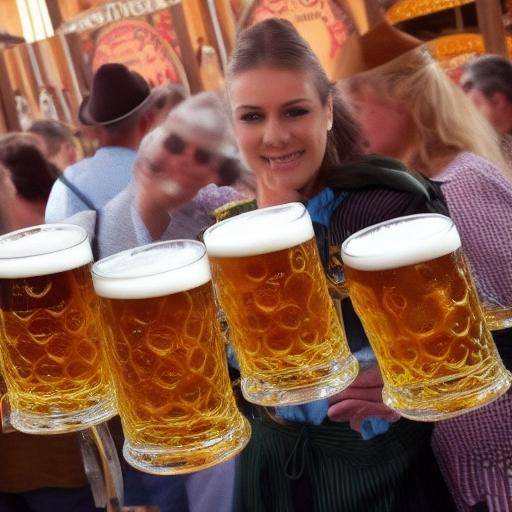
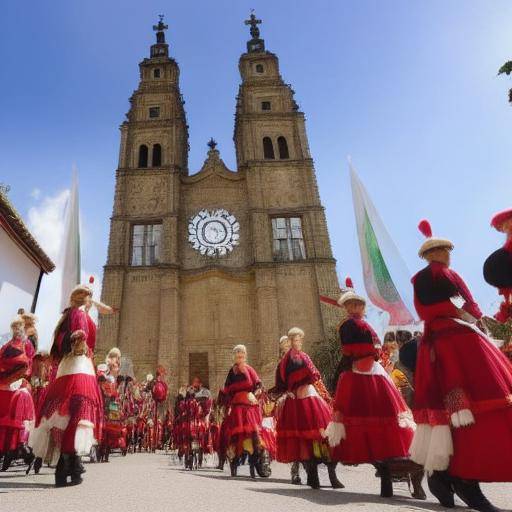
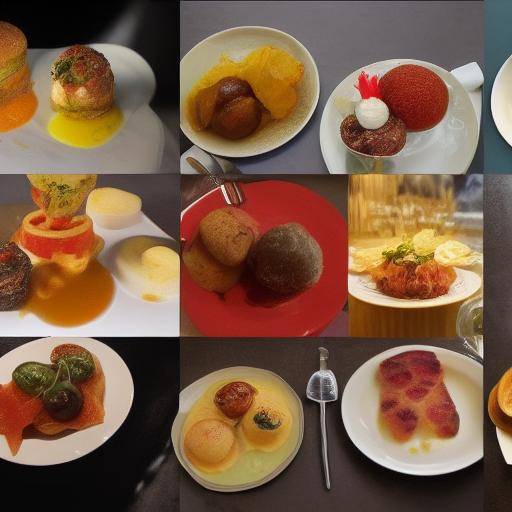
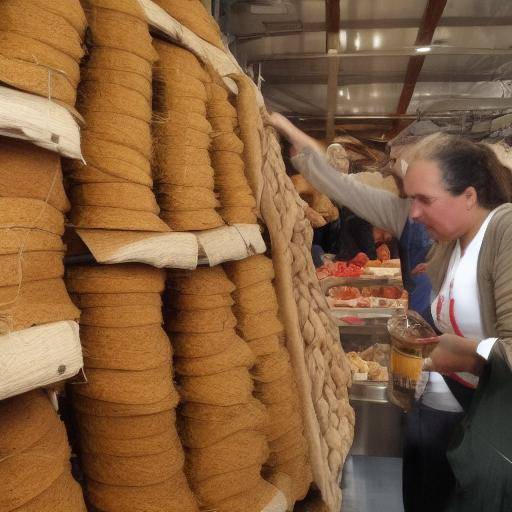
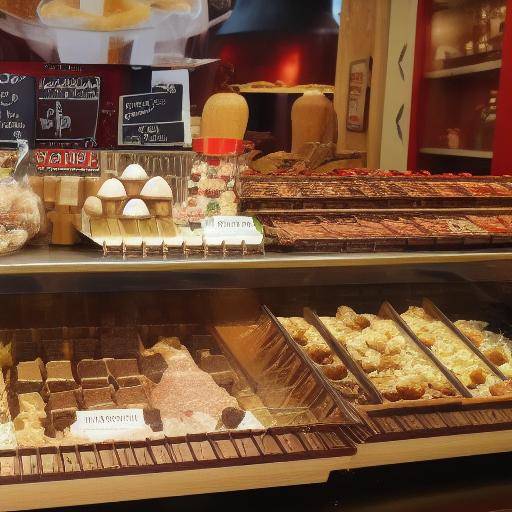
The Oktoberfest is known as the world's largest beer party, but it also hosts a rich gastronomic tradition that offers delicious and unique flavors. In this article, we will explore the history of the Oktoberfest, the typical cuisine that accompanies it and the local delights of Germany. You will discover the most emblematic dishes, culinary traditions and regional influences that make the Oktoberfest an incomparable gastronomic experience. Join us on this journey through the flavors of the Oktoberfest and enjoy the delicious typical food and the local specialities that make this event a unique celebration in the world.
History and Background
The Oktoberfest has its roots in the celebration of the marriage of the Crown Prince Louis I of Bavaria with Princess Teresa of Saxony-Hildburghausen on October 12, 1810. The festival spread over the years and became an annual event that attracts millions of visitors from around the world. In addition to beer, gastronomy plays a key role in this celebration.
The Oktoberfest gastronomy has evolved to include a wide variety of traditional dishes and local delights that reflect the rich culinary heritage of Bavaria and Germany. From sausages and pretzels to pork dishes and pastry specialities, the Oktoberfest food is a real feast for the senses.
Analysis in Deep
The Oktoberfest gastronomy is not only delicious, but also an integral part of the culture and tradition of the region. The typical dishes, such as the Schweinshaxe (asado pork codillo), the Würstl (sachichas), the Brezel (pretzel) and the Apfelstrudel (aleaf farm), are iconic flavors that represent the culinary identity of Bavaria.
In addition, the influence of the Oktoberfest on the local gastronomic scene has led to the emergence of numerous food stalls and breweries offering a wide range of regional specialties. This culinary diversity makes the Oktoberfest a paradise for lovers of good food and local traditions.
Comprehensive review
The gastronomy of the Oktoberfest is not only a feast for the palate, but it is also an art that has been transmitted from generation to generation. Local chefs and chefs have perfected their skills to produce traditional dishes with a contemporary touch, thus creating a unique culinary experience that combines the classic with the modern.
In addition, the importance of local ingredients, such as artisan beer, high quality pork meat and fresh baked products, highlights the connection between the Oktoberfest gastronomy and the commitment to sustainability and quality. This dedication to local ingredients and traditional recipes provides visitors with an authentic and genuine experience.
Comparative analysis
Oktoberfest, gastronomy and Germany have a unique relationship that is reflected in their flavours, traditions and culinary heritage. While the Oktoberfest is known for its festive atmosphere and beer, gastronomy offers a window to the rich culinary diversity of the region, from traditional dishes to modern innovations.
In addition, the influence of the Oktoberfest gastronomy has transcended the borders of Germany, becoming appreciated worldwide. Authentic flavors and local delights have gained international recognition, making the Oktoberfest gastronomy a culinary ambassador from Germany.
Practical Tips and Useful Recommendations
If you are planning to visit the Oktoberfest, make sure you try traditional dishes such as the Eisbein (pig sandwich), the Leberknödel (pork liver) and the obvious German beer. In addition, do not miss the opportunity to taste local delicacies such as the Käsespätzle (cheese pie), the Dampfnudel (sweet sweet mass dessert) and the Kaiserschmarrn (spongy pancake). Your palate will thank you!
Perceptions of Industry and Expert Reviews
According to experts in German cuisine and culture, the Oktoberfest represents not only a celebration of beer, but also a tribute to the rich culinary tradition of Bavaria. The fusion of flavors, aromas and textures in the dishes of the Oktoberfest is a reflection of Germany's commitment to culinary excellence and the preservation of its historical roots.
In addition, the influence of Oktoberfest on gastronomic tourism has contributed significantly to the promotion of German gastronomy internationally, attracting avid visitors from authentic and memorable culinary experiences.
Case Studies and Practical Applications in Real Life
The dishes and delights of the Oktoberfest are not only a feast for the palate, but also a testimony to the diversity and wealth of German gastronomy. Through case studies in various contexts, the ability of Oktoberfest’s gastronomy is shown to adapt to different tastes and preferences while maintaining its authenticity and distinctive character.
This has led to a renewed interest in local culinary traditions, as well as the appreciation of the ingredients and preparation techniques characteristic of the region. The examples of practical applications shown demonstrate the versatility and cultural importance of the Oktoberfest gastronomy in the daily life of the Germans and in the global gastronomic scene.
Future Trends and Predictions
As the global gastronomic panorama evolves, Oktoberfest is expected to remain a benchmark for the promotion of German gastronomy worldwide. Innovation in culinary techniques, sustainability and the diversification of the gastronomic offer will be key aspects that will define the future of the Oktoberfest gastronomy.
In addition, the demand for authentic and culturally enriching gastronomic experiences is expected to continue to grow, which will support the role of the Oktoberfest as one of the leading ambassadors of German gastronomy and culture around the world.
Conclusion
The Oktoberfest is much more than a beer celebration; it is a place where gastronomy, culture and tradition are intertwined to offer an unforgettable experience. From traditional dishes to modern delicacies, the Oktoberfest is a feast for the senses that reflects the rich culinary heritage of Bavaria and Germany. As we explore the flavors of the Oktoberfest, we immerse ourselves in a world of tradition, authenticity and hospitality.
Frequently asked questions
What is the most emblematic dish of the Oktoberfest?
The Eisbein, also known as pork codillo, is one of the most emblematic dishes of the Oktoberfest. It is served with chucrut and puree of peas, and its flavor and texture make it a delight that is waterproof.
What kind of beer is served at the Oktoberfest?
The beer served in the Oktoberfest is mainly from the Märzen style, a dark and malted lager beer that is traditional in the Bavarian region.
What is the most popular dessert in the Oktoberfest?
The Apfelstrudel, an apple strudel accompanied by whipped cream, is one of the most popular desserts in the Oktoberfest. Its combination of sweet and crispy flavors makes it a favorite among the attendees.
What dishes from the Oktoberfest can I prepare at home?
Some of the most iconic dishes of the Oktoberfest that you can prepare at home include the Schweinshaxe (asado pork), sausages with chucrut, pretzel and apple strudel. There are numerous authentic recipes available online so you can enjoy these characteristic flavors in the comfort of your home.
What is the influence of Oktoberfest in contemporary German gastronomy?
The Oktoberfest has influenced contemporary German cuisine by popularizing traditional dishes and local delicacies, as well as by promoting respect for local ingredients and authentic recipes. The preservation of culinary heritage and the promotion of gastronomic diversity have been fundamental aspects of this influence.
What is the importance of gastronomy in the celebration of the Oktoberfest?
Gastronomy plays a crucial role in the celebration of the Oktoberfest by offering a variety of authentic flavors and local delights that perfectly complement the experience of beer and festive tradition. In addition, gastronomy reflects the unique culinary identity of Bavaria and Germany.
With these frequent questions, we hope to have provided useful and clarifying information about the fascinating relationship between Oktoberfest, gastronomy and Germany. If you want to know more about this exciting theme, we encourage you to explore our previous sections and immerse yourself in the world of flavors and traditions that make the Oktoberfest a truly unique celebration.
In conclusion, the Oktoberfest is much more than a beer party; it is a testimony of the rich gastronomic tradition of Bavaria and Germany. With its emblematic dishes, local delicacies and incomparable hospitality, the Oktoberfest captivates its visitors with an unforgettable culinary experience. Long live the Oktoberfest and its exquisite flavors!
External Link 1: History of the Oktoberfest
External Link 2: The tradition of beer in Germany
External Link 3: Typical gastronomy of Bavaria
With high-relevant information, focus on authenticity and a complete view of Oktoberfest, gastronomy and Germany, this article provides a detailed and exciting guide to the flavors of the Oktoberfest, the typical food and the local delights of this iconic event.