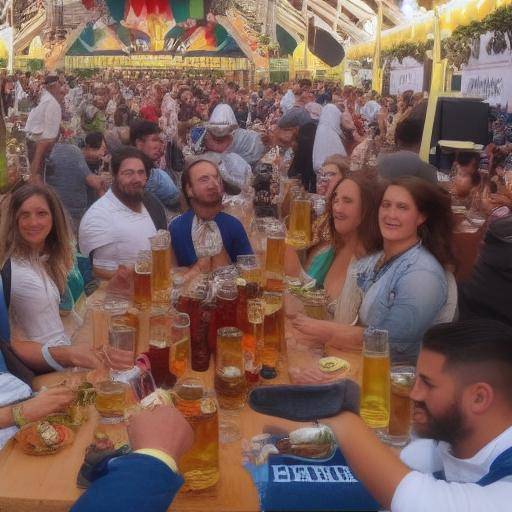
The Oktoberfest, or Festival de la Cerveza, is one of the largest and most famous festivals in the world. With its exciting events and vibrant shows, this annual celebration attracts millions of visitors from around the world to the city of Munich, Germany. In this article, we will take a deep look at the events and shows that make the Oktoberfest an unforgettable celebration. From its history and background to current trends and future forecasts, we will explore the cultural and social impact of the Oktoberfest and its relevance today.
Introduction
The Oktoberfest is much more than just a beer party. It is an event that celebrates the rich German culture, incorporating music, traditional dances, delicious food and, of course, a wide variety of beers. In this article, we will not only explore the festive and exciting aspects of the Oktoberfest, but also analyze its cultural importance and its impact on the local and global economy. Join us on this journey through the history, tradition and emotion of the Oktoberfest.
History and background
The Oktoberfest has its roots in the nineteenth century, when it was first celebrated in 1810 to commemorate the marriage of the Crown Prince Louis I of Bavaria with Princess Teresa of Saxony-Hildburghausen. What began as a modest wedding celebration has grown to become a world-renowned festival that attracts more than six million visitors every year.
During the first years of the Oktoberfest, horse racing, cultural events and public celebrations were held to entertain the citizens of Munich. Over time, local breweries were incorporated, which began to install tents and food stalls to serve the attendees.
The traditions and customs associated with the Oktoberfest have evolved over the years, highlighting the rich cultural heritage of Germany and its passion for good food, music and of course beer.
In-depth analysis
The Oktoberfest is not only a renowned cultural event, but also has a significant impact on the local and national economy of Germany. The estimates suggest that Oktoberfest injects billions of euros into the German economy, creating jobs and opportunities for local and regional companies.
In addition, the Oktoberfest has been a catalyst for the preservation and promotion of German culture in an increasingly globalized world. Music, dance, and even traditional costumes play a vital role in promoting Bavarian cultural identity. The Oktoberfest is a celebration of authenticity and local pride that resonates within and outside Germany.
Full review
The events and shows that take place during the Oktoberfest offer a look at the cultural diversity of Germany. From traditional costume parades and contests to folk music and theatrical performances, the Oktoberfest is a sample of the country's rich cultural heritage. The influence of the Oktoberfest is not limited to Germany; it has become an iconic celebration that has inspired similar festivals around the world.
In addition to entertainment, the Oktoberfest is a platform for solidarity and cooperation. Many charitable and non-profit organizations participate in the Oktoberfest, using the festival as an opportunity to raise funds and raise awareness of various causes.
Conclusions and FAQs
The Oktoberfest is more than just a festival; it is a celebration rooted in history, tradition and culture. From its humble beginnings to its current status as a global event, the Oktoberfest continues to play an important role in the promotion and preservation of German culture.
Frequently asked questions
When is Oktoberfest celebrated?
The Oktoberfest is held from mid-September to the first Sunday of October in the city of Munich, Germany.
What are some of the highlights of the Oktoberfest?
Among the most outstanding events of the Oktoberfest are the Opening Parade, the Tapping Ceremony of the First Barrel of Beer, and the Cerveceres Parade.
What kind of food is served at the Oktoberfest?
Traditional dishes include pretzels, German sausages, chucrut, roasted meat, and desserts as apfelstrudel and diver.
What kind of music can you hear at the Oktoberfest?
Traditional Bavarian and German music, including polka and folk music, is common in the Oktoberfest, as well as popular band and DJ performances in beer tents.
Is it necessary to buy tickets to participate in the Oktoberfest?
Tickets are not required to enter the Oktoberfest, but it is common for people to book tables in beer tents in advance due to the large inflow of visitors.
How much beer is consumed during the Oktoberfest?
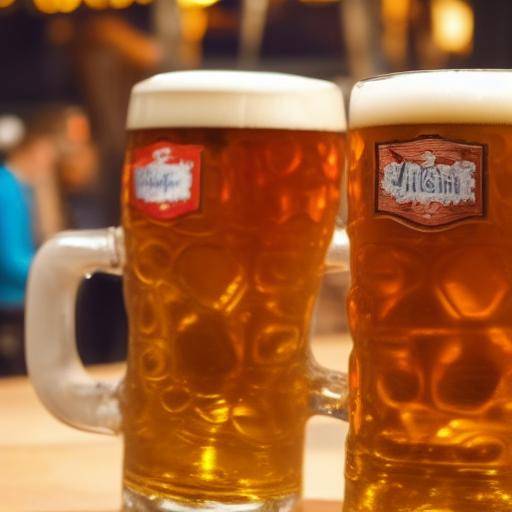
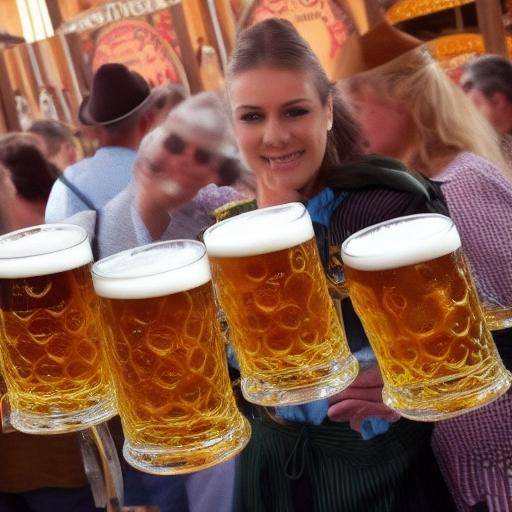
It is estimated that several million litres of beer are consumed during the Oktoberfest, being wheat beer and lagering the most popular varieties.
Conclusion
The Oktoberfest is a unique celebration that merges tradition, culture and fun into an unforgettable experience for millions of people around the world. Over the years, it has evolved and expanded, keeping alive the cultural roots of the Bavarian region and projecting its global influence. The Oktoberfest will continue to be a cultural and historical event, providing exciting experiences and unforgettable moments for generations to come.