The Carnival of Venice is one of the most emblematic celebrations in the world, where magic, mystery and tradition are intertwined in a unique show. From the beginning of the Middle Ages to the present day, the Carnival of Venice has captivated people from all cultures with its dazzling events and rich history. In this article, immerse yourself in the fascinating celebration of the Carnival of Venice, discover its most outstanding events and explore the surrounding culture. From its origin to current trends, get ready to embark on an unforgettable journey through this unique holiday!
Introduction
The Carnival of Venice is a celebration that has its origins in the Catholic tradition and dates back to the eleventh century. During this event, the city is filled with colorful costumes, elaborate masks and an atmosphere of mystery that evokes the splendor of the past. This annual celebration, which begins approximately two weeks before Lent and culminates on Tuesday before Ash Wednesday, is known for its spectacular parades, mask dancing, cultural events and costume contests. Over the centuries, the Carnival of Venice has evolved and has become a sophisticated celebration that attracts visitors from around the world. In this article, we will explore the most outstanding events and the unique culture surrounding this emblematic festival.
History and Background
Origins of the Carnival of Venice
The Carnival of Venice has its roots in the festivities of ancient Rome and dates back to the Middle Ages. Initially, it was a period of celebration and excesses that preceded the austerity of Lent. During the Carnival, Venetian society immersed itself in a world of costumes, dances and parties, allowing people of different social classes to escape the restrictions of everyday life.
Evolution throughout the century
Over the centuries, the Carnival of Venice has experienced numerous transformations. From its peak in the 18th century to its decline in the 19th century, Carnival has faced periods of prohibition and resurgence, which has shaped its character and relevance in Venetian culture.
Modern Resurgence
At the end of the 20th century, the Carnival of Venice experienced a resurgence, attracting a new generation of enthusiasts of tradition and art. Today, the Carnival of Venice is a spectacular celebration that combines the rich historical heritage of the city with contemporary creativity.
Detailed Analysis
Cultural and Economic Importance of the Carnival of Venice
The Carnival of Venice is not only a culturally significant event, but also plays a crucial role in the local economy. It attracts millions of tourists every year, which drives the tourist industry and promotes local crafts, gastronomy and Venetian traditions. In addition, the Carnival of Venice inspires artists, designers and artisans from around the world, providing a platform for creative expression and innovation.
Emblematic Parades and Shows
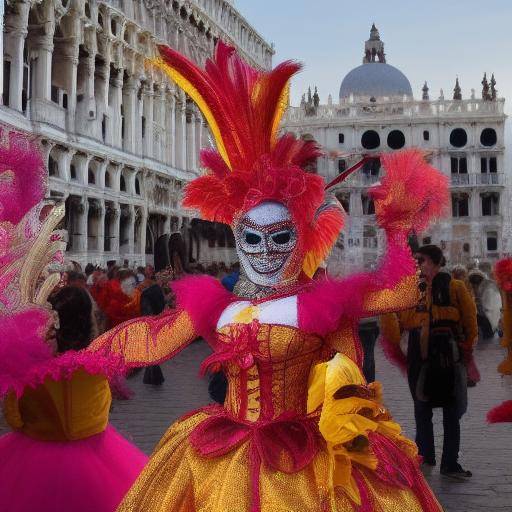
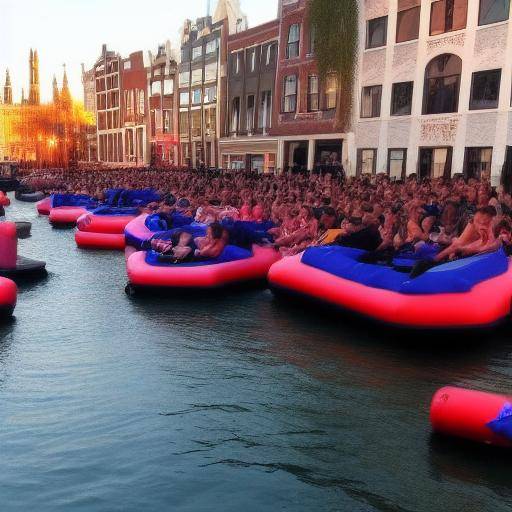
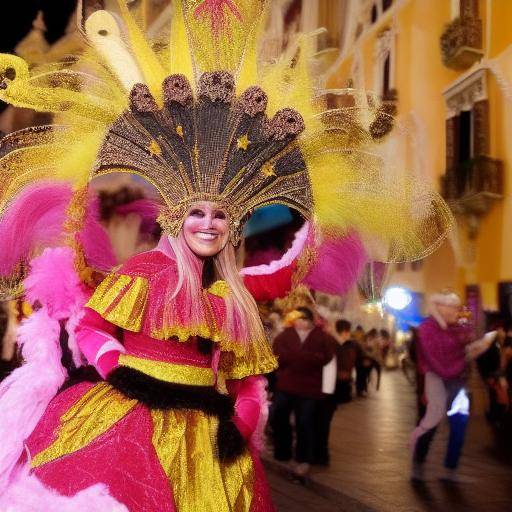
The parades and shows of the Carnival of Venice are the highlight of the celebration. During these events, the canals, squares and streets of Venice become fantasy scenarios, where artists, musicians and dancers dazzle the audience with their talent and creativity. The exquisitely designed costumes and masks transport the spectators to a world of fantasy and elegance, creating a magical atmosphere that makes the Carnival of Venice truly unforgettable.
Contests of Costumes and Cultural Events
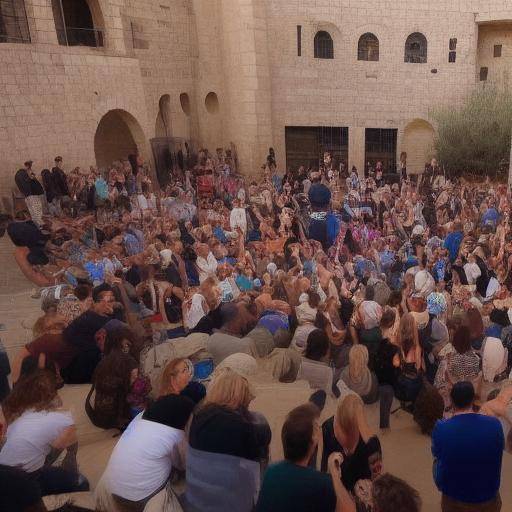
The costume contests are an integral part of the Carnival of Venice, where the participants show their most elaborate and original creations. These contests celebrate crafts, imagination and technical skill, giving recognition to artists behind the stunning costumes. In addition, the Carnival hosts a wide variety of cultural events, such as concerts, art exhibitions and theatrical performances that enrich the visitors' experience and promote artistic diversity.
Comprehensive review
Traditions and Ingrained Costumes
The Carnival of Venice is impregnated with deeply rooted traditions and customs that have been passed from generation to generation. From the handmade elaboration of the masks to the baroque music that fills the streets, each aspect of the Carnival brings with it a rich history and a profound cultural significance. These traditions reflect the unique identity of Venice and its ability to preserve and celebrate its cultural heritage.
Impact on Tourism and Economics
The Carnival of Venice is a key engine for tourism and the local economy. It attracts visitors from around the world, stimulating the demand for accommodation, restaurants, transportation and tourist services. In addition, the marketing of Carnival-related products, such as masks, costumes and memories, generates significant income for local artisans and traders.
Contemporary Innovation and Creativity
Although the Carnival of Venice is deeply rooted in tradition, it has also evolved to embrace contemporary innovation and creativity. Artists, designers and contemporary artisans reinterpret the traditions of Carnival, adding new perspectives and techniques, which ensures its continued relevance in the global cultural landscape.
Comparative analysis
Carnival of Venice vs. Other International Carnivals
Although the Carnival of Venice is unique in its splendour and sophistication, it shares similarities with other international carnivals around the world. For example, the Carnival of Rio de Janeiro and the Carnival of New Orleans also stand out for their colorful parades, animated dances and magnificent costumes, demonstrating the universality of the Carnival celebration.
Culture of Carnival in Italy and Other Countries
The Carnival celebration varies considerably from country to country, reflecting the different traditions, rituals and cultural expressions of each region. In Italy, the Carnival of Venice is distinguished by its elegance and craftsmanship, while in Brazil, the Carnival is characterized by its festive energy and its emphasis on dance and music.
Practical Tips and Accessible Help
Participation in the Carnival of Venice
If you want to participate in the Carnival of Venice, we recommend planning your visit in advance, as hotels and accommodations tend to run out quickly during this time. Also, do not miss the opportunity to attend a mask dance or witness the famous Angel Flight, one of the most emblematic traditions of Carnival.
Creation of Masks and Costumes
If you have artistic skills or simply want to immerse yourself in the magic of Carnival, consider creating your own mask or costume. There are workshops and courses available in Venice, where you can learn traditional techniques of mask decoration and wardrobe.
Conclusion
The Carnival of Venice is much more than a festival; it is a continuous celebration of history, culture and creativity. Over the centuries, it has continued to amaze the world with its splendor and its ability to unite people from all cultures. The rich heritage of the Carnival of Venice remains alive today, reminding us of the importance of preserving our traditions and celebrating the beauty of cultural diversity.
Frequently asked questions
What is the meaning of the masks in the Carnival of Venice?
The masks play a crucial role in the Carnival of Venice, as they symbolize social equality and freedom of expression. During the Carnival, masks allowed people to hide their identities and enjoy the celebration without being limited by their social status or their daily responsibilities.
What is the origin of the tradition of costume contests in the Carnival of Venice?
The tradition of costume contests in the Carnival of Venice dates back to the thirteenth century, when competitions were organized to reward the most elaborate and creative costumes. These contests became a way of showing the artistic skill and imagination of the participants, and continue to be a prominent part of the Carnival today.
What musical events can be enjoyed during the Carnival of Venice?
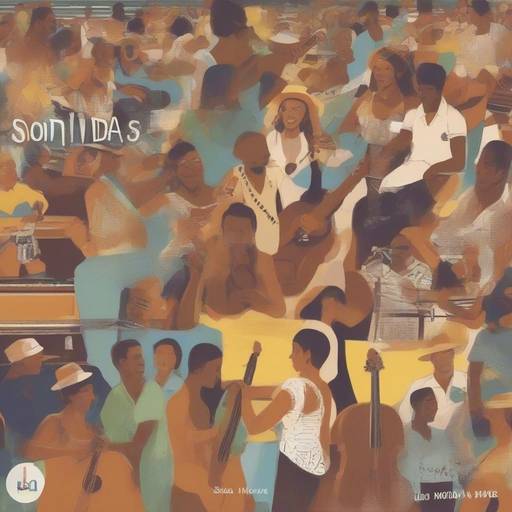
During the Carnival of Venice, numerous musical events are held, ranging from classical music concerts in historical churches to street performances by traditional music groups. In addition, mask dances often have live music, creating a magical and festive atmosphere.
How is traditional crafts preserved during the Carnival of Venice?
Traditional craftsmanship, such as masks and costumes, is preserved through specialized workshops and the transmission of knowledge from generation to generation. The local craftsmen are dedicated to keeping the artistic heritage of Venice alive, ensuring that traditional techniques last in time.
What are the economic benefits for Venice derived from Carnival?
The Carnival of Venice brings important economic benefits to the city, as it attracts a lot of tourists, which drives the tourist industry and promotes consumption in restaurants, shops and other local services. In addition, the sale of crafts related to Carnival contributes to the artisanal economy of Venice.
How can I participate in a mask dance during the Carnival of Venice?
To participate in a mask dance during the Carnival of Venice, you must purchase tickets in advance, as these events are usually very demanded. You can also consider attending public mask dances, which take place in squares and historic halls, where you can enjoy music and dance in a festive atmosphere.
I hope this guide has given you an enriching vision of the Carnival of Venice, its events and its unique culture! If you have the opportunity to visit Venice during this time, I assure you that you will experience an unforgettable experience, immersed in the magic and splendor of this centenary celebration.