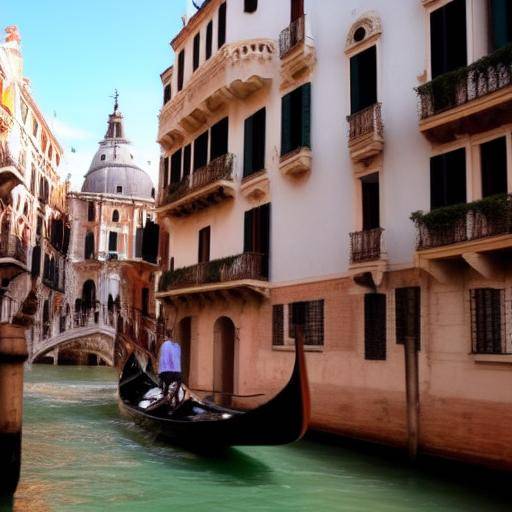
The canals of Venice are an icon of the Italian city, known for its beauty, romance and unique architecture. However, behind its visual charm, there is a rich and diverse ecosystem that houses a variety of flora and fauna. In this article, we will explore the fascinating ecology of the canals of Venice, discovering the wildlife that dwells in these intricate aquatic systems and their importance for the environment.
Introduction
The canals of Venice are not only the soul of the city, but also a natural habitat for a surprising variety of species. From aquatic birds to fish and aquatic plants, these channels host a rich biodiversity. We will explore how this fragile ecosystem has evolved over the centuries and how human interaction has impacted the flora and fauna of this unique environment.
History and Background
The history of the canals of Venice dates back centuries, when Venice emerged as a powerful city and thrives thanks to its network of waterways. However, this development also had a significant impact on the surrounding ecosystem. The demand for natural resources, urban expansion and hydraulic engineering have shaped the aquatic environment of the region over time.
The management of the canals, including the creation of the famous gondolas, has been an integral part of the history of Venice. As the city prospered, its effect on the natural environment became increasingly evident. Pollution, erosion and climate change are current challenges facing this region, threatening its rich biodiversity.
Analysis in Deep
The canals of Venice are not only important for the history and culture of the region, but also play a vital role in ecological balance. The presence of various species of aquatic birds, fish and aquatic plants demonstrates the resilience of life in these channels. However, the human impact poses significant challenges to this fragile ecosystem.
Waste management, water pollution and tide change are factors that directly affect the flora and fauna of the Venice channels. Conservation efforts, public awareness and environmental education are key to protecting this valuable ecosystem.
Comprehensive review
The ecology of the canals of Venice provides important lessons on the harmonious coexistence between nature and human activity. Conservation strategies, habitat restoration and reforestation of coastal areas are examples of concrete actions that can help preserve this natural treasure.
Sustainable tourism and conscious urban planning are crucial to ensuring a healthy future for the canals of Venice and its associated biodiversity. The promotion of conservation practices and support for ecological research are key efforts to ensure the long-term protection of this unique ecosystem.
Comparative analysis
The comparison of Venice's canals with other aquatic ecosystems in the world reveals notable similarities and differences. The adaptation of wildlife to the specific conditions of the Venetian channels offers valuable insights on the resilience of nature against environmental changes and human pressures.
The interconnection between the ecology, culture and history of the canals of Venice highlights the importance of adopting a holistic approach to environmental management. The balance between the preservation of biodiversity and sustainable development will be crucial for the future of these iconic channels.
Practical Tips and Accessible Tips
For those who visit the canals of Venice, it is essential to adopt responsible practices. Avoid throwing waste into the water, staying in areas designated for tourists and supporting local conservation initiatives are concrete ways in which visitors can contribute to the protection of the ecology of the Venice channels.
Ideas and Views of Industry Experts
The conservation and ecology experts offer valuable insights on the current situation and future of the Venice channels. Its expertise is essential to inform policies and strategies that will guide the preservation of this unique ecosystem in the coming decades.
Collaboration between scientists, conservationists, local authorities and the community in general is essential to ensure the long-term sustainability of the Venice channels and their natural environment. The active participation of all sectors of society is crucial to protecting this invaluable heritage.
Case Studies and Applications in Real Life
Case studies highlighting local conservation efforts, habitat restoration and innovations in the management of the Venice Canals offer inspiring examples of how environmental challenges can be addressed at a practical level. Learning these experiences can be applied to other regions with similar ecosystems.
The practical applications of conservation measures, such as reintroduction of native species, cleaning of channels and environmental education, illustrate how local action can have a significant impact on the protection of the ecology of the canals of Venice.
Future Trends and Predictions
The future panorama of the canals of Venice is marked by the need to adapt to the challenges of climate change, tourism pressure and sustainable management of natural resources. The predictions on the future of this ecosystem highlight the importance of implementing effective conservation strategies and the need for international cooperation to address transboundary environmental problems.
The integration of ecological technologies, such as environmental monitoring systems and renewable energies, offers opportunities to mitigate negative impacts and advance towards a more effective management of Venice channels.
Conclusion
The ecology of the canals of Venice is a living testimony of the relationship between human beings and nature. As awareness of the importance of preserving these ecosystems grows, decisive action is expected to be taken to ensure their long-term protection. The preservation of the Venice channels and their associated biodiversity is a global challenge that requires a collective commitment and the adoption of sustainable approaches to ensure their survival.
Frequently asked questions
What kind of wildlife can be found in the canals of Venice?
The canals of Venice are home to a wide variety of fish, aquatic birds and aquatic plants. Among the most common species are seagulls, herons and fish such as lubine and sábalo.
What environmental challenges do Venice channels face?
The pollution of water, the erosion of the shores and the impact of the tides are the main environmental challenges facing the canals of Venice. These problems require careful management and effective conservation measures.
What is the impact of tourism on the ecology of the canals of Venice?
Mass tourism can exert pressure on the fragile ecosystems of the canals of Venice, which can lead to the degradation of natural habitats and water pollution. It is crucial to promote sustainable and conscious tourism to minimize these impacts.
What measures are being taken to protect the ecology of the canals of Venice?
Conservation programs, water cleaning, habitat restoration and environmental education are being implemented to protect the ecology of the Venice channels. In addition, sustainable tourism is promoted and community participation is encouraged in the conservation of these valuable ecosystems.
How can visitors contribute to the protection of the ecology of the canals of Venice?
Visitors can contribute to the protection of the ecology of the Venice channels by adopting responsible practices, such as avoiding waste to water, respecting natural areas and participating in local conservation initiatives.
What is the importance of preserving the biodiversity of Venice channels?
The preservation of the biodiversity of the canals of Venice is essential to maintain ecological balance, protect endemic species and safeguard the ecosystem services they provide to the city and its inhabitants.
What are the global implications of the conservation of the canals of Venice?
The conservation of the Venice channels has global implications in terms of preserving unique aquatic ecosystems, combating climate change and promoting sustainable management practices at the international level.
What role does environmental education play in protecting the canals of Venice?
Environmental education plays a crucial role in protecting the canals of Venice by raising awareness of its importance and encouraging sustainable behaviour among residents and visitors.
What are the lessons we can learn from the ecology of the canals of Venice?
The ecology of the canals of Venice offers valuable lessons on the harmonious coexistence between nature and human activity, as well as the importance of adopting integrated approaches in the management of aquatic ecosystems.
In conclusion, the ecology of the canals of Venice is a subject of historical, cultural and environmental importance, which demands careful attention and concrete actions for its preservation. The understanding and support of the local community, as well as international collaboration, are key to protecting this unique ecological treasure and ensuring its validity for future generations.
With this exploration, we hope to have provided a profound and enriching view on the ecology of the canals of Venice, its flora and fauna, as well as its relevance in the global context of environmental conservation.