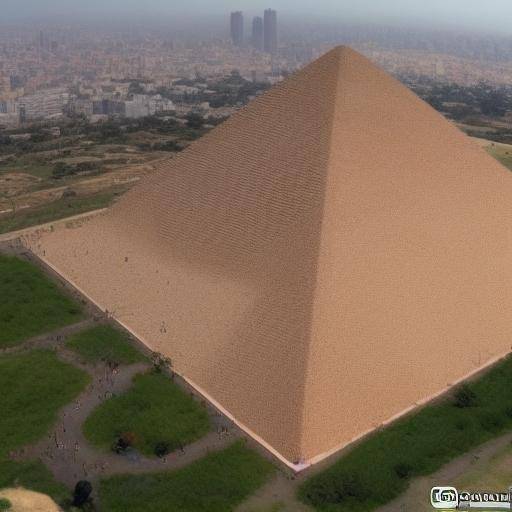
The Pyramids of Dahshur are not only historical wonders, but also enclose an enigma that has fascinated archaeologists, historians and lovers of antiquity for centuries. Discovering how these pyramids were built and revealing the secrets they keep is a journey that transports us to ancient Egypt, where engineering and architecture merged to create stunning monuments that have resisted the passage of time. In this article, we will explore the techniques, construction and history of the Pyramids of Dahshur, unraveling the mysteries that have puzzled generations.
Introduction: The Wonders of Dahshur
The Pyramids of Dahshur, located on the west bank of the Nile, are one of the jewels of ancient architecture. These pyramids represent a crucial milestone in the evolution of the construction of pyramids in ancient Egypt. Through his study, we could better understand how the iconic Egyptian pyramids and the complex techniques used by the ancient architects were built.
History and Background
The legacy of the Pyramids of Dahshur dates back to the reign of Seneferu, who commissioned its construction around 2600 BC. These impressive structures, including the Red Pyramid and the Romboidal Pyramid, mark a turning point in the history of Egyptian architecture. The Romboidal Pyramid, in particular, is unique in its design and has generated numerous theories about its construction.
This section will explore in detail the historical aspects of the Pyramids of Dahshur, from their conception to their present legacy. The techniques used, historical implications and the cultural importance of these structures will be analyzed.
Detailed Analysis
In the analysis, it is crucial to examine the construction techniques used in the Dahshur Pyramids, as well as the challenges faced by the builders of the time. Issues such as site planning, the transport of materials and the workforce will be addressed. In addition, the advances and innovation that these pyramids represented at the time will be highlighted.
Construction techniques
- Planning of the Site: The selection of the site was crucial for the construction of pyramids. The ancient Egyptians chose places with solid ground near the Nile to facilitate the transport of materials.
- Transport of Materials: The transport of large stone blocks from the quarries to the construction site was a considerable logistical challenge. They used barges to move the blocks through the Nile and then rollers and sleighs to move them to the site.
- Hand of Work: It is believed that the construction of pyramids involved thousands of workers, including skilled craftsmen and workers. The organization and management of this workforce were fundamental to the success of the project.
Architectural Innovations
The Pyramids of Dahshur present significant architectural innovations. The Romboidal Pyramid, with its change of angle on the slopes, represents an early attempt to correct structural problems. The Red Pyramid, with its more straight lines and more precise angles, shows an improvement in construction techniques.
Comprehensive review
In exploring practical applications and best practices associated with the construction of pyramids, it is essential to consider the environmental and logistical aspects that impacted the construction of the Dahshur Pyramids. Different methods and approaches used in building other pyramids in ancient Egypt will also be compared and how these differences affected the durability and stability of the structures.
Comparative analysis
Compare the Pyramids of Dahshur with other architectural wonders of the ancient world will allow a more complete view of its historical importance and its singularity. The similarities and differences between the pyramids of Dahshur and other notable buildings will be analyzed, which will shed light on the specific techniques used in Dahshur and its impact on Egyptian architecture in general.
Practical Tips and Accessible Recommendations
The analysis presented throughout the article will provide a solid basis for offering practical advice and recommendations based on the construction techniques used in the Dahshur Pyramids. These advices will be based on deep understanding of the techniques used, along with modern considerations on architecture and sustainable construction.
Practical Recommendations
- Preservation of Heritage: Apply modern conservation techniques to protect and maintain these historical structures.
- Continuous investigation: Encourage archaeological and architectural research to discover more details about the construction techniques used.
- Responsible tourism: Promote sustainable tourism practices to minimize environmental impact and preserve the site for future generations.
Industry Reflections and Expert Reviews
It is crucial to obtain perspectives and opinions of experts in the field of archaeology, architecture and construction. In presenting current trends, future implications and expert opinions, readers will be given an integral understanding of the techniques used in the construction of Dahshur Pyramids and their relevance in modern industry.
Case Studies and Practical Applications
Detailed case studies will help illustrate the practical applications of construction techniques used in Dahshur Pyramids. These study cases will show how the lessons learned from the construction of pyramids have influenced contemporary architectural projects and how old techniques remain relevant in modern architecture.
Future Trends and Predictions
The last section will examine emerging trends related to the construction of pyramids and architecture in general. Based on the knowledge gained throughout the article, informed predictions will be offered on how these techniques could evolve in the future and how they could impact the global construction industry.
Conclusions and FAQs
Conclusions
In conclusion, the Pyramids of Dahshur represent an astonishing prowess of engineering and architecture that continues to fascinate humanity. This comprehensive analysis has shed light on the construction techniques used, the history behind these majestic structures and their relevance in the modern context. The lessons we can draw from Dahshur Pyramids transcend time and offer a unique vision of past engineering.
Frequently asked questions
Below are some frequent questions related to Dahshur Pyramids, their construction and their history.
- What are the most outstanding construction techniques used in the Dahshur Pyramids?
The construction techniques used in the Dahshur Pyramids include the use of rollers and sleighs to transport stone blocks and the organization of a massive and specialized workforce. - What challenges did the builders face in building the Pyramids of Dahshur?
The construction of the Dahshur Pyramids presented significant challenges, such as managing a large workforce, transporting heavy materials and correcting structural problems, such as those observed in the Romboidal Pyramid. - What is the historical importance of the Pyramids of Dahshur in the context of the construction of pyramids in ancient Egypt?
The Pyramids of Dahshur mark a crucial milestone in the evolution of the construction of pyramids in ancient Egypt, being a transition point between the first step pyramids and the pyramids of smooth sides, such as those of Giza. - How do the Pyramids of Dahshur differ from other famous pyramids, such as those of Giza?
Unlike Giza's pyramids, Dahshur's have unique features such as the angle change in the Romboidal Pyramid, which reflects an attempt to correct stability problems during its construction. - How have the techniques of building Dahshur Pyramids influenced modern architecture?
The construction techniques used in the Pyramids of Dahshur have influenced modern architecture by inspiration in the organization and logistics of large construction projects and in the use of conservation and restoration techniques. - What are the future prospects for research and conservation of Dahshur Pyramids?
Future prospects for research and conservation of Dahshur Pyramids include the use of advanced technology to study and preserve structures, as well as the implementation of sustainable tourism and conservation practices.
Conclusion and Final Words
In answering these questions, readers are expected to get a complete understanding of the Dahshur Pyramids, their construction and their history. The lessons learned from these magnificent structures remain relevant today, demonstrating the timeliness of engineering and engineering