The old settlement of Great Zimbabwe, located in South East Africa, is witnessing a rich history and amazing architecture that has resisted the passage of time. In this article, we will explore the fascinating history of the construction of Great Zimbabwe, from its beginnings to its relevance today. Dive into this journey through the centuries and discover the lasting legacy of this iconic structure.
Introduction
Great Zimbabwe, an archaeological site declared World Heritage by UNESCO, is known for its extensive stone ruins that testify to the greatness of a past civilization. In this article, we will explore the construction of Great Zimbabwe in the context of its history, the evolution of its structures and the cultural and architectural meaning that lasts until today.
History and Background
Great Zimbabwe has its roots in the ancient history of Africa, dating from at least the 11th century AD. This site was the core of a prosperous empire that controlled trade in the region. The stone ruins, which include walls, towers and passageways, are testimony to a sophisticated architecture that challenges the expectations of its time. Archaeologists have discovered ceramics, artifacts and evidence of trade that reveal the wealth and power of this ancient civilization.
Over the centuries, Great Zimbabwe has been the subject of intense debates on its origin, function and decline. The theories range from local divine-building narratives to explanations based on foreign influence and internal conflicts. These discussions have stimulated the interest in the construction and purpose of Great Zimbabwe, highlighting its historical importance and its lasting legacy.
Analysis in Deep
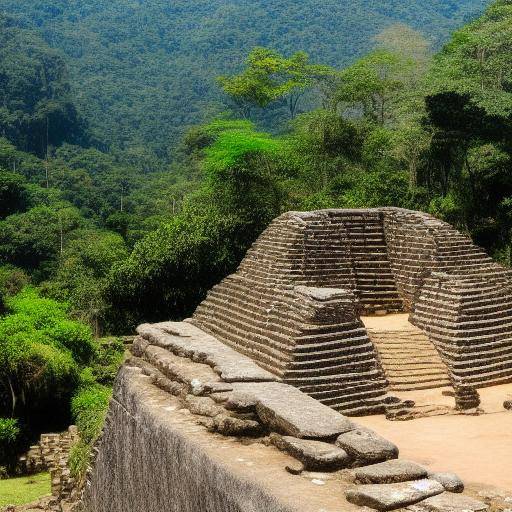
The construction of Great Zimbabwe represents an amazing achievement in engineering and architectural design. The construction techniques employed, such as dry masonry and the strategic disposition of stones, demonstrate a deep knowledge of the topography and the environment. Despite the passage of time, the ruins of Great Zimbabwe remain an impressive testimony of the skill and ingenuity of its builders.
The socio-economic and political context of the time shed light on the purpose and meaning of the construction of Great Zimbabwe. The control of trade and resources, social organization and expression of power through architecture are key aspects that enrich our understanding of this ancient monument.
Comprehensive review
The influence of the construction of Great Zimbabwe extends beyond its historical importance to encompass contemporary aspects. Tourism, conservation and preservation of archaeological heritage are relevant themes that link Great Zimbabwe's legacy to current concerns. The management and sustainable development of these sites are critical to ensuring their legacy for future generations.
Comparative analysis
By comparing the case of Great Zimbabwe with other emblematic buildings, similarities and differences are revealed that enrich our appreciation of cultural and architectural diversity. The comparison with other contemporary structures in Africa and beyond offers a global perspective on the role and influence of Great Zimbabwe in the architectural and cultural spheres.
Practical Tips and Accessible Recommendations
For those interested in exploring the construction of Great Zimbabwe in person, it is crucial to take into account logistical, cultural and environmental considerations. Establishing guidelines for a responsible and respectful visit can contribute to the long-term preservation of this invaluable heritage.
Perceptions of Industry and Expert Reviews
The views of experts in archaeology, history and conservation provide an enriching perspective on the importance and value of the construction of Great Zimbabwe. Their knowledge and experiences shed light on future challenges and opportunities related to the preservation and management of archaeological sites.
Case Studies and Real Life Applications
The study of cases that demonstrate the contemporary relevance of Great Zimbabwe in fields such as cultural tourism, education and archaeological research offers an integral view of its continued influence in modern society. The application of knowledge gained through the construction of Great Zimbabwe can inspire creative and sustainable initiatives in various areas.
Future Trends and Predictions
In considering the current landscape of archaeological research, heritage conservation and cultural tourism, promising trends for the construction of Great Zimbabwe are visible. Technological innovations, preservation strategies and growing global awareness of the importance of cultural heritage offer exciting opportunities for the future of Great Zimbabwe.
Conclusions
The construction of Great Zimbabwe, immersed in a rich history and contemporary resonance, continues to fascinate scholars, travellers, and cultural heritage enthusiasts around the world. Its lasting legacy transcends the barriers of time and remains a symbol of human grandeur and ingenuity from today to today.
Frequently asked questions
1. What is the historical importance of Great Zimbabwe?
Great Zimbabwe is of significant historical importance, as it represents the flourishing of an advanced civilization in the heart of Africa. Its architecture and role in regional trade bear witness to the lasting impact of this civilization.
2. How was Great Zimbabwe built?
The construction of Great Zimbabwe was carried out through dry masonry techniques, involving the strategic layout of stones without mortar use. This technique demonstrated a deep knowledge of topography and an exceptional skill in architecture.
3. What is the contemporary relevance of Great Zimbabwe?
Today, Great Zimbabwe remains relevant in various contexts, from cultural tourism to the preservation of archaeological heritage. Its legacy contributes to the understanding of African history and the promotion of intercultural dialogue.
4. What are the current challenges in preserving Great Zimbabwe?
The preservation of Great Zimbabwe faces challenges such as sustainable tourism management, the conservation of structures and awareness of the importance of cultural heritage. Addressing these challenges is crucial to ensuring the long-term protection of this site.
5. How can I contribute to the preservation of Great Zimbabwe?
Contributing to the preservation of Great Zimbabwe means supporting sustainable tourism practices, respecting local regulations and guidelines, and educating others on the importance of cultural heritage. These actions are fundamental to preserving this invaluable legacy.
6. What are some innovative initiatives related to Great Zimbabwe?
There are innovative initiatives aimed at integrating technology, education and sustainable development with the preservation of Great Zimbabwe. These include digitalization projects, educational programmes and community conservation efforts aimed at protecting and promoting the heritage of Great Zimbabwe.
Conclusion
The construction of Great Zimbabwe, with its magnificent architecture and fascinating history, continues to captivate current and future generations. Through this article, we have explored how his legacy endures and continues to attract interest in a variety of fields.
In short, the construction of Great Zimbabwe represents a lasting testimony of human ingenuity in ancient times, as well as a beacon of inspiration and knowledge to this day. Its importance transcends temporal and geographical borders, enriching our understanding of history, culture and architecture.
Concluding this journey through the construction of Great Zimbabwe, we invite you to continue exploring and knowing more about this marvelous structure that continues to amaze the world with its lasting legacy. The journey through the history and construction of Great Zimbabwe has only begun!