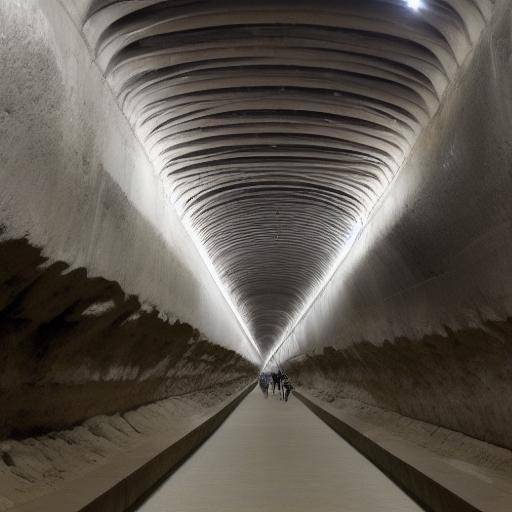
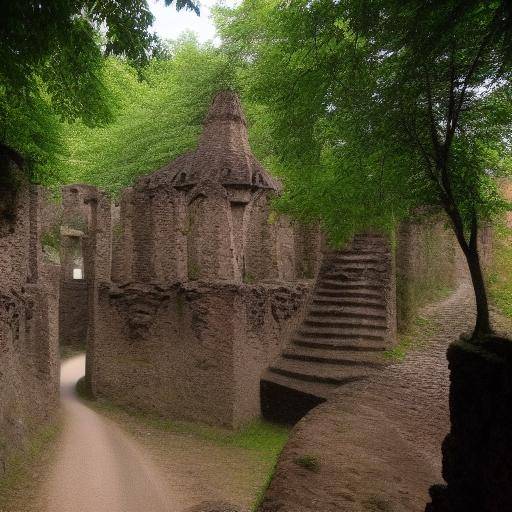
The catacombs, with their fascinating blend of history and architecture, have captivated generations with their mysterious appeal. In this article, we will thoroughly explore the construction of catacombs, their rich history and their impact on society. From its origin in ancient Rome to its relevance today, we will unravel the secrets that lie underground and discover the magnificence of these underground structures.
Introduction
The catacombs have long been an architectural riddle and a historical vestige that has awakened the curiosity of people from all backgrounds. It is complex networks of underground tunnels that house tombs, crypts and galleries, considered as symbols of faith and respect for the deceased in different cultures and periods of history. Throughout this article, we will delve into the enlightenment of these intricate labyrinths underground, examining their construction, the amazing history they enclose and their relevance today.
History and Background
The catacombs have their origins in ancient Rome, where they emerged as a response to the need to find solutions for burials in a densely populated city. With forbidden Christianity, the followers of this faith chose to bury their deceased in underground galleries, resulting in the creation of intricate tunnels filled with religious symbols and graves.
Over the centuries, catacombs have played a crucial role in history, not only as burial sites, but also as shelters, places of worship and symbols of religious resistance. His evolution through different eras and cultures has left a mark on the way we understand and appreciate ancient history and architecture.
The construction of the catacombs was a remarkable architectural achievement, as it involved the excavation of rocky land and the creation of underground structures that have resisted the passage of time. The meticulous planning and execution of these constructions reveal a deep understanding of engineering and design, features that continue to impress architects and visitors alike.
Detailed Analysis
Catacombs not only represent an architectural achievement, but also an invaluable historical treasure. Through the detailed exploration of each inscription, symbol and structure, countless stories and lessons on the civilizations of the past can be drawn.
The preservation of catacombs, their cultural importance and their tourism potential have been aspects that have required continuous conservation and study efforts. The detailed analysis of these structures reveals the complexity of their construction, the techniques employed and the challenges faced by the former architects and builders.
Comprehensive review
In analyzing catacombs from different perspectives, it is possible to better understand their impact on society, both in the past and today. From its contribution as historical and cultural heritage to its influence on tourism and archaeological research, catacombs continue to play a significant role in contemporary society.
An integral understanding of catacombs includes the exploration of its relevance in modern architecture, its place in the collective imagination and its influence in various artistic disciplines. By knowing in depth these underground structures, we can appreciate their contribution to the architectural and cultural panorama of humanity.
Comparative analysis
By comparing catacombs with other historical and architectural structures, it is possible to appreciate the uniqueness of these underground buildings. Their relationship with history, religion, engineering and culture distinguishes them as a unique architectural phenomenon in the world, evoking a sense of wonder and admiration.
Practical Tips and Accessible Recommendations
For those interested in exploring catacombs, it is crucial to take into account certain practical considerations. From the preparation of the right equipment to the hiring of specialized guides, there are a number of recommendations and tips that can enrich the experience of visiting these historical monuments.
Considering aspects such as security, respect for local regulations and understanding of the historical context, it is possible to maximize the value of the visit to the catacombs. Also, knowing the best times of the year and opening hours can contribute to a more enriching and pleasant experience.
Industry Perspectives and Expert Reviews
Expert opinions in the field of archaeology, architecture and history can offer valuable insights on catacombs. The interpretation of archaeological findings, the preservation of heritage and trends in historical and architectural research are aspects that form part of the perspectives of industry.
By collecting and analyzing the opinions of experts in these fields, it is possible to gain a deeper understanding of the importance of catacombs from an academic and professional perspective. Its contributions enrich the general panorama and provide new ways to appreciate and value these historical structures.
Case Studies and Real Life Applications
Through real case studies, it is feasible to illustrate the concrete impact that catacombs have on the lives of people and in different sectors of society. From its influence on the historical narrative of a local community to its potential to inspire works of art and literature, the catacombs have left a significant mark on everyday life and cultural expression.
Case studies allow us to examine closely specific situations in which catacombs have played a fundamental role, revealing little known aspects of their historical and architectural legacy. In addition, when analyzing applications in real life, it is possible to understand how these underground structures are still relevant today.
Future Trends and Predictions
The future of catacombs as historical heritage and tourist attraction is a topic of growing interest, as society evolves and adopts new technologies and approaches for preservation. Predictions on how catacombs will be valued and protected in the coming years entail significant implications for the conservation of heritage and the understanding of history.
In projecting future trends related to catacombs, it is possible to anticipate challenges and opportunities in the preservation and dissemination of these unique monuments. The incorporation of interdisciplinary approaches, the expansion of public access and the integration of new technologies are aspects that will shape the future of catacombs and their relevance in society.
Conclusions and FAQs
The catacombs, with their intricate construction and rich history, continue to captivate people of all ages and interests. Their influence on architecture, culture and religion makes them exceptional monuments that continue to awaken curiosity and admiration.
Through this article, we have explored the construction of catacombs, its fascinating history and its impact on society. From its humble beginnings in ancient Rome to its present presence, the catacombs remain a lasting witness of creativity and human ingenuity.
Frequently asked questions
**1. What is the difference between catacombs, cemeteries and crypts?**Catacombs are complex underground tunnel networks that house tombs, crypts and galleries, usually associated with burials in reduco spaces. Cemeteries and crypts, on the other hand, usually refer to areas of outdoor burial or more conventional structures, not necessarily underground.
**2. What are some of the most outstanding discoveries made in catacombs?**Among the most outstanding discoveries are historical inscriptions, rupetral art, and archaeological evidence that has provided valuable knowledge about ancient funeral and religious practices.
**3. What steps are being taken to preserve catacombs for future generations?**The preservation of catacombs includes measures such as the stabilization of structures, the restoration of artifacts and frescoes, as well as the implementation of visitor management systems that minimize the impact on structures.
**4. What is the cultural importance of catacombs today?**Catacombs remain important from a cultural perspective, as they represent a tangible connection to the history and tradition of ancient civilizations, as well as tourist destinations and academic exploration sites.
**5. How have catacombs influenced art and literature?**The catacombs have inspired many artists and writers throughout history, serving as a backdrop for enriching narratives and artistic creations. His aura of mystery and beauty has captivated many creative minds.
**6. What is the relationship between catacombs and the Christian faith?**The catacombs are intrinsically linked to the Christian faith, as they originally served as places of burial and worship for the first Christians persecuted in Rome. Its importance as a symbol of religious resistance is fundamental in the history of Christianity.
Concluding, catacombs represent a unique fusion of history, architecture and cultural meaning, providing a window to the past and challenging current perceptions of life and death. Their meticulous construction, their rich and intriguing history, and their constant relevance in contemporary society make them a lasting legacy that continues to inspire astonishment and astonishment in those who explore them.