The city of Venice, known as the "Queen of the Adriatic", is famous for its beautiful canals that wind through its streets, forming a unique water network in the world. The construction of these channels not only represented an exceptional achievement of engineering, but also an act of true art that has endured over the centuries. In this article, we will explore the history, engineering and artistic influence of the canals of Venice in Italy, revealing its importance and its fascinating legacy.
History and origin of the canals of Venice
The history of the canals of Venice dates back over a thousand years, when the first settlements were established on the pantanous islands of the Venetian lagoon. The need to connect these islands with each other and with the continent led to the development of a complex network of waterways and waterways. The engineering behind the construction of these channels was an outstanding achievement for their time, marking the beginning of Venetian greatness.
During the Middle Ages, Venice emerged as a maritime commercial power, and its channels became the vital arteries that connected the city with the rest of the world. The ability of Venetian engineers to build navigable channels, bridges and locks was fundamental to the growth and prosperity of the city. Over the centuries, the canals of Venice were expanded, reconfigured and embellished, becoming a unique expression of human engineering and artistic creativity.
Channel engineering and architecture
The construction of the canals of Venice was an outstanding achievement that combined engineering and artistic skills. The engineers of the time faced significant challenges, such as tide management, stabilizing the pantaneous soil and building structures that resisted the corrosion of salt water. The engineering behind the canals of Venice marks a milestone in the history of hydraulics and maritime construction.
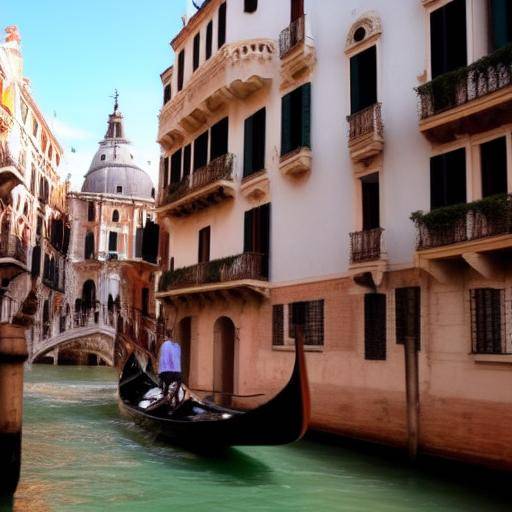
Beyond its purely practical function, the canals of Venice also represent an artistic expression. The bridges that cross the canals, the facades of the buildings that are reflected in the water and the harmonious disposition of the waterways create an impressive image that has inspired artists and visitors for centuries.
The influence of the canals of Venice in Italian culture
The canals of Venice have not only an impact on engineering and architecture; they have also left a deep impression on Italian culture. The romantic image of the gondolas gently sliding through the channels and ethereal charm of the aquatic streets have inspired writers, musicians and filmmakers from around the world. The preservation of the canals as an integral part of the identity of Venice is a living testimony of its cultural importance.
Conclusion
The canals of Venice are much more than mere navigable pathways; they represent a unique synthesis of engineering, art and culture that has endured over the centuries. Its influence on Italian history, architecture and culture is undeniable, and its beauty continues to dazzle millions of visitors every year. By exploring the history and engineering of the canals of Venice, we discover a wonderful intersection between human skill and artistic expression.
FAQs
What was the original purpose of the construction of the canals of Venice?
The canals of Venice were originally built to connect the pantanous islands of the Venetian lagoon and provide a vital transport route for trade and mobility within the city.
How were the canals of Venice built on pantanous soils?
The construction of canals on swamp soils was a significant challenge. Venetian engineers used wooden pilots and built terraplens to stabilize the terrain, creating a solid base for the channels.
What is the role of the canals of Venice in Italian culture?
The canals of Venice are an integral part of the cultural identity of the city and have inspired Italian artists, writers and filmmakers. In addition, the preservation of the canals reflects Italy's deep attachment to its historical and artistic heritage.
How did the Venice channels influence architecture and engineering?
The construction of the canals of Venice represented an exceptional achievement in hydraulic and maritime engineering. In addition, the architecture of the buildings that border the canals and the harmonious disposition of the waterways are considered a brilliant artistic expression.
What challenges did the engineers face when building the Venice channels?
Engineers faced challenges such as tide management, stabilisation of the pantaneous soil and resistance to salt water corrosion. These challenges required innovative solutions and advanced engineering techniques.
What is the historical importance of the canals of Venice?
The canals of Venice played a fundamental role in the emergence of Venice as a maritime commercial power during the Middle Ages. In addition, they represent a milestone in the history of maritime construction and hydraulic engineering.
What is the best way to explore the canals of Venice?
One of the best ways to experience the canals of Venice is to take a gondola ride or enjoy a stroll in vaporetto, the public water transport of the city. This allows you to enjoy the beauty and history of the channels from a unique perspective.
Conclusion The construction of the canals of Venice is a lasting testimony of human capacity to combine engineering, art and culture. These channels are not only a technical wonder, but also a monument to ingenuity and creativity. Its influence on history, architecture and Italian culture is undeniable, and its beauty remains a source of wonder and admiration for people around the world.