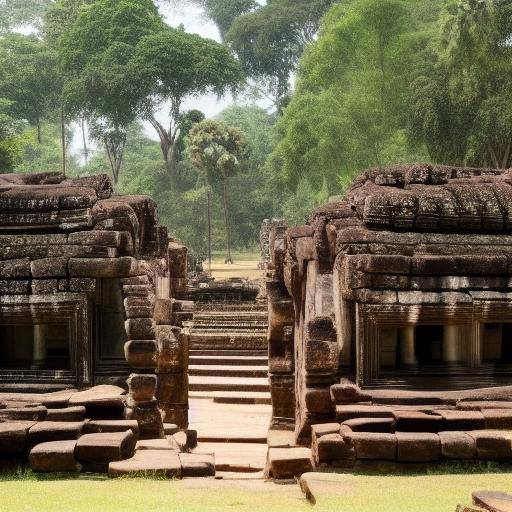
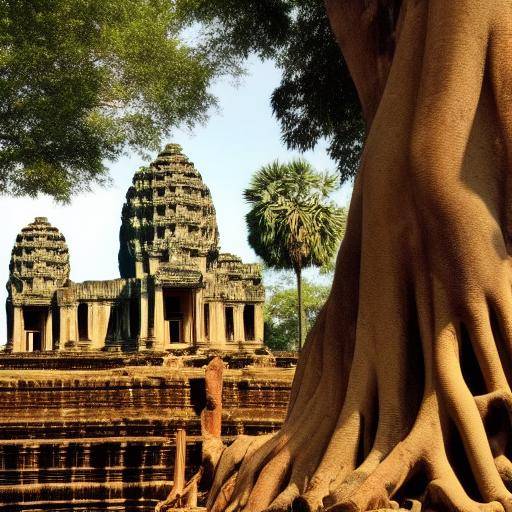
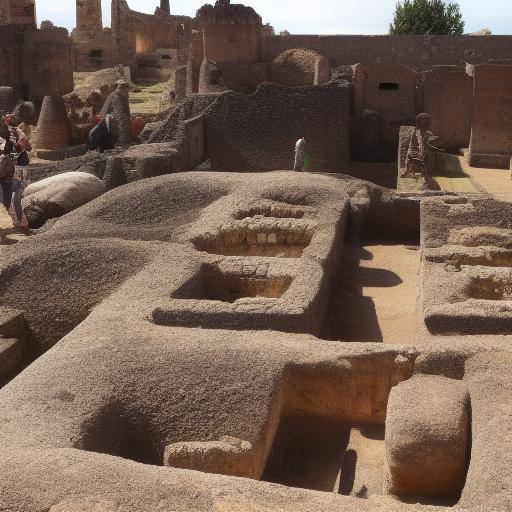
The temples of Angkor, located in the Siem Reap region in Cambodia, are a world-renowned archaeological and tourist treasure. These stunning temple complexes, built during the apogee of the Jemer Empire between the 9th and 15th centuries, are a wonder that attracts travelers, historians and lovers of architecture from around the world. In this guide, we will thoroughly explore the history, beauty and experience of visiting Angkor temples, providing valuable information so you can plan an unforgettable visit.
Introduction
Welcome to this complete guide to explore the legendary temples of Angkor. In this incredible journey, I will take you to a journey through the time and beauty of these historical monuments. From the majestic towers of Angkor Wat to the enigmatic faces of Bayon, you will discover the magnificence of this archaeological jewel. Get ready to pack history, culture and wonder as we explore the treasures of Angkor together.
History and Background of Angkor Temples
The temples of Angkor, built under the reign of the Jemer Empire, are an impressive manifestation of the power, wealth and spirituality of that time. These monuments, which once served as ceremonial and religious centers, have resisted the passage of time and inclemences to continue to haunt humanity with its architectural splendor. From the first brick temples to sophisticated stone structures, Angkor's evolution is a testament to the creativity and ingenuity of Jemer civilization.
Origin and Meaning of Angkor
The emergence of Angkor dates back to the 9th century, when King Jayavarman II founded the capital of the Jemer Empire in the region. This ancient city became a centre of power and splendor, leading to the construction of stunning temples and monuments that symbolized the greatness of the empire. Angkor represented the connection between heaven and earth, divinity and humanity, providing a sacred space for religious practices and imperial ceremonies.
Historic and Important Developments
During his apogee, Angkor was the epicenter of a prosperous civilization, influenced by Hinduism and Buddhism. The Jemer rulers built architectural masterpieces that combined religious, political and cultural elements, leaving a legacy that remains today. However, over time, the decline of the empire and conflicts led to the abandonment of Angkor, plunging its wonders in the jungle to its rediscovery in the nineteenth century.
Angkor Deep Analysis: Current Benefits, Challenges and Trends
Conservation and sustainable tourism in Angkor pose significant challenges for the local community and site managers. The economic benefits of tourism must be balanced with the conservation of historical and cultural heritage. At present, it is essential to promote responsible tourism practices that protect this invaluable heritage and generate a positive impact on the local community.
Exhaustive Exploration of Angkor Temples
The experience of visiting the temples of Angkor is something that goes beyond a simple tour. Dive into the majesty of Angkor Wat, explore the mysteries of Ta Prohm and marvel at the imposing Bayon architecture. In every corner of Angkor, you will find elements that tell millennial stories and awaken deep emotions. Discover how to plan your visit to make the most of this splendid journey over time.
Practical Tips and Accessible Tips for Visiting Angkor
Before you enter the lava surrounding the temples, it is essential to be prepared for adventure. From choosing a reliable guide to logistics planning, each detail will contribute to a more enriching experience. Make sure you wear comfortable and appropriate clothing for the tropical climate, along with enough water and sunscreen. Also, get ready to explore on foot and get into spaces with reliefs and stairs, which will ensure an unforgettable but physically demanding experience.
Comparative Guide: Angkor, Tourism and Guide
As we enter the world of Angkor, it is important to compare the experience with other tourist destinations and the importance of having a good guide. Unlike many contemporary attractions, the visit to Angkor temples offers a unique perspective that mixes history, architecture and spirituality. The presence of an expert guide can open the doors to deep knowledge about the history and meaning of each temple, enriching the visit of tourists.
Accessible Tips and Tips for an Unforgettable Experience in Angkor
Enjoying a visit to the temples of Angkor involves a combination of preparation, respect for heritage and connection with the historical and spiritual essence of the place. When choosing a tour guide, it is important to look for those who combine deep historical knowledge with a commitment to sustainability and respect for local communities. It is also recommended to make early morning or evening tours to avoid crowds and enjoy stunning landscapes.
Conclusions and FAQs
Conclusions
The exploration of the temples of Angkor is truly a transformative experience that leads us to a journey through the centuries. The archaeological treasures, the rich history and the majestic architecture of Angkor transcend time, giving us the opportunity to connect with past civilizations and learn eternal lessons. In enjoying this heritage, it is crucial to remember the importance of preserving these wonders for future generations and respecting deeply their cultural and historical significance.
Frequently asked questions
1. What is the best time to visit the temples of Angkor?
The dry and cool climate from November to February is considered the best time to visit Angkor temples, as the weather conditions are more pleasant for exploration. However, keep in mind that this is also the high season of tourism, so it is important to plan ahead.
2. What is the dress code to visit the temples of Angkor?
It requires modest and appropriate clothing when visiting the temples of Angkor. Avoid wearing short, revealing or shoulder-showing garments. It is recommended to wear long pants or skirts to the knee and shirts with sleeves.
3. Where can I hire a good guide to visit Angkor temples?
There are numerous independent agencies and guides in Siem Reap that offer guide services to visit the temples of Angkor. It is advisable to research and read reviews to select a guide with historical knowledge, communication skills and respect for heritage.
4. How can I contribute to the preservation of Angkor temples?
As a visitor, you can contribute to the preservation of Angkor by following the established guidelines for responsible tourism. Avoid touching the structures, keeping the environment clean and respecting the rules of the site to minimize your impact on the heritage.
5. What cultural and spiritual aspects should be taken into account when visiting the temples of Angkor?
When visiting the temples of Angkor, it is important to show respect for local culture and spiritual practices. Observe local indications, avoid interrupting religious ceremonies and being aware of the sacred meaning of these places for local communities.
6. What is Angkor's most famous temple?
Angkor Wat is the most famous and emblematic temple in the region. Known for its impressive architecture and historical and spiritual significance, Angkor Wat attracts visitors from all over the world and is a must in any tour of the temples of Angkor.
In short, Angkor temples offer an experience that goes beyond conventional tourism, plunging visitors into a universe of history, art and spirituality. This historic legacy is a living reminder of the greatness of humanity and the importance of preserving our cultural heritage. By exploring these archaeological treasures, travelers have the opportunity to marvel and learn, expanding their horizons with the influx of centuries past.
Now, with this complete guide, you are prepared to undertake an unforgettable journey through the temples of Angkor and absorb all the cultural and spiritual depth they offer. Enjoy this unique and enriching experience!