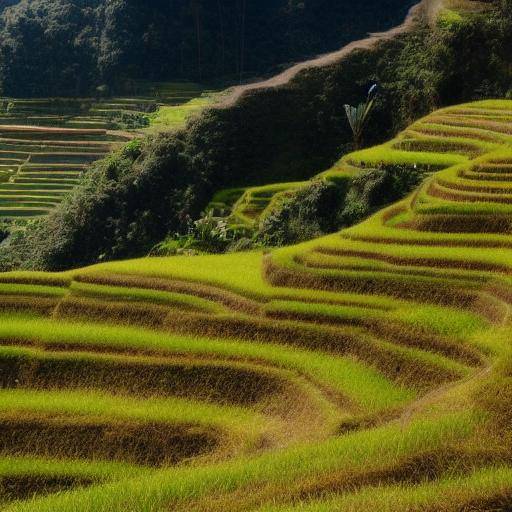
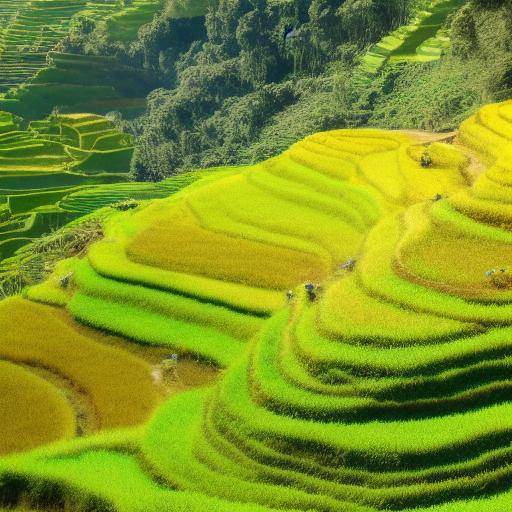
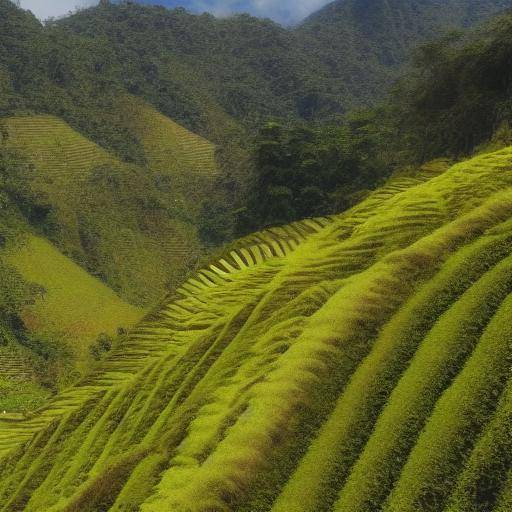
The rice terraces of Banaue in the Philippines have a rich history and incomparable natural beauty. In this complete guide, we will explore the fascinating history, the current challenges, and provide practical advice for those who want to explore this magnificent place. From sustainable tourism to adventure opportunities, you will discover everything you need to know to experience the rice terraces of Banaue in its maximum splendour.
Get ready to immerse yourself in an exciting journey through the culture, nature and history of Banaue's rice terraces!
Introduction
The rice terraces of Banaue, declared a World Heritage Site by UNESCO, are a living testimony of human ingenuity and an impressive show of nature. In this guide, you will enter history, cultural importance, and the tourist opportunities offered by these terraces. In a detailed way you will learn about how to visit and enjoy this natural wonder.
History and Background
The rice terraces of Banaue have a history that dates back to more than 2000 years. Hand-built by the ancestors of the indigenous peoples of Ifugao, these structures are an impressive example of ancestral knowledge and engineering skills. The oldest terrace dates back over 2000 years and its construction has been passed from generation to generation.
The construction of the rice terraces in Banaue is a testimony to the resistance and adaptability of indigenous peoples to a mountain setting. Over the centuries, these terraces have proven to be sustainable and provide food for local communities.
Analysis in Deep
Over time, Banaue's rice terraces have faced significant challenges, including climate change and pressure for modernization. However, despite these challenges, these terraces remain a symbol of resilience and sustainability.
The integration of sustainable tourism has provided economic opportunities to local communities, while fostering the preservation of this culturally important landscape. The careful management of natural resources and the promotion of responsible tourism practices are key to ensuring the long-term conservation of the Banaue rice terraces.
Comprehensive review
In exploring the rice terraces of Banaue, it is essential to respect and appreciate local culture and the natural environment. Sustainable tourism not only promotes landscape conservation, but also contributes to the well-being of local communities.
Providing employment opportunities and supporting community development initiatives are some of the ways tourism can have a positive impact on the region. In addition, engaging in responsible tourism activities, such as guided tours with local guides, ensures an enriching and authentic experience.
Comparative analysis
Compared to other tourist destinations in the Philippines, Banaue's rice terraces offer a unique experience combining history, nature and culture. While some tourist areas focus on beaches and resorts, rice terraces provide a different perspective that highlights the connection between the land and its inhabitants.
Although the Philippines offers a wide range of tourist destinations, the rice terraces of Banaue stand out for their exceptional cultural heritage and their stunning natural beauty. Tourism in this region not only provides an opportunity for adventure and discovery, but also promotes the preservation of a millennial tradition.
Practical Tips and Accessible Tips
If you plan to visit the rice terraces of Banaue, it is important to be prepared to face the mountainous terrain and changing weather conditions. Some useful tips include dressing properly, carrying water and snacks, and respecting local customs. In addition, by exploring the area, consider hiring local guides that can enrich your experience with authentic knowledge and fascinating anecdotes.
Industry Perspectives and Expert Reviews
Sustainable tourism experts have praised the initiatives implemented on the Banaue rice terraces as outstanding examples of conservation and sustainable development. Through strategies for community participation and environmental education, a balance has been achieved between the preservation of cultural heritage and the promotion of responsible tourism.
This holistic approach has been instrumental in ensuring that future generations can enjoy and learn from Banaue's rice terraces without compromising their integrity.
Case Studies and Real Life Applications
The impact of sustainable tourism on the rice terraces of Banaue is reflected in the well-being of local communities and the conservation of the natural environment. Through training programmes and employment opportunities, the link between tourism and sustainable economic development has been strengthened.
These programs offer a model to follow for other destinations that seek to balance tourism growth with the preservation of their natural and cultural resources.
Future Trends and Predictions
Given the continued growth of sustainable tourism, Banaue rice terraces are expected to become an even more sought-after destination by travellers who value authenticity and sustainability. In addition, community conservation and development initiatives are expected to continue to evolve to ensure a harmonious balance between tourism and the preservation of cultural heritage.
Conclusion
Banaue's rice terraces are not only an impressive spectacle of human ability, but also a living testimony of the relationship between the earth and its people. By exploring this unique destination, opportunities are opened to learn, connect with nature and support meaningful initiatives.
We hope that this guide has provided you with a detailed view of the rice terraces of Banaue and has aroused your curiosity for personally experiencing this cultural and natural treasure.
Frequently asked questions
What is the best time to visit the rice terraces of Banaue?
The best time to visit the rice terraces of Banaue is during the dry season, which usually covers the months of March to May. During this time, clear views and more favorable weather conditions can be enjoyed to explore the region.
Can you hike in the rice terraces of Banaue?
Yes, the rice terraces of Banaue offer exceptional opportunities for hiking. It is important to have a local guide to obtain relevant information and ensure a safe and enriching experience.
What is the cultural importance of Banaue rice terraces for local communities?
Banaue rice terraces are a symbol of cultural heritage and identity for local communities. These structures not only represent ancestral knowledge, but are also fundamental in the way of life and tradition of the indigenous peoples of Ifugao.
What are some additional activities that can be done near the rice terraces of Banaue?
In addition to visiting Banaue rice terraces, travelers can explore local villages, participate in cultural workshops, and enjoy the authentic hospitality of local communities. In addition, the region offers opportunities to experience local cuisine and acquire traditional crafts.
What are some important precautions to consider when visiting Banaue rice terraces?
When visiting Banaue rice terraces, it is essential to respect local norms and the natural environment. It is not permitted to damage the structures of the terraces or interfere with the agricultural activities of the local communities. Furthermore, it is essential to maintain respectful and responsible behaviour at all times.
How does sustainable tourism contribute to the maintenance of Banaue rice terraces?
Sustainable tourism not only provides economic income to local communities, but also encourages the active conservation of rice terraces and their natural environment. By supporting responsible tourism initiatives, travelers contribute directly to the preservation of this cultural and ecological heritage.
This complete guide has provided a detailed overview of Banaue's rice terraces, from its history to the importance of sustainable tourism. We hope that it has inspired you to explore this natural and cultural wonder for yourself, and that it has provided you with the necessary tools to enjoy a meaningful and enriching experience. May your adventure on the rice terraces of Banaue be unforgettable!
External resources:
Get ready to experience a unique experience on Banaue rice terraces!