Introduction
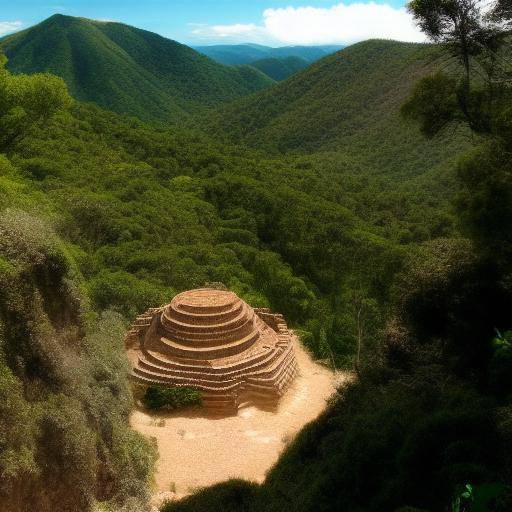
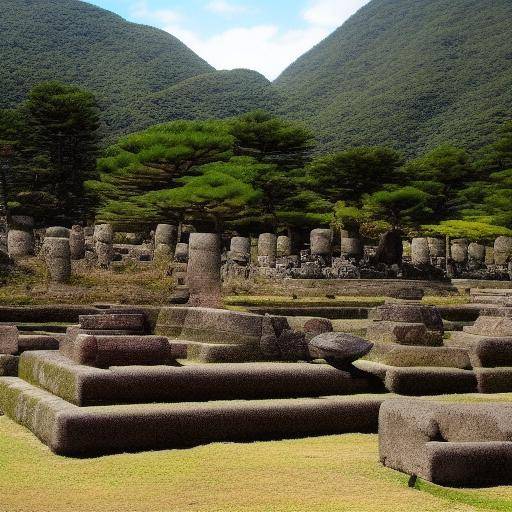
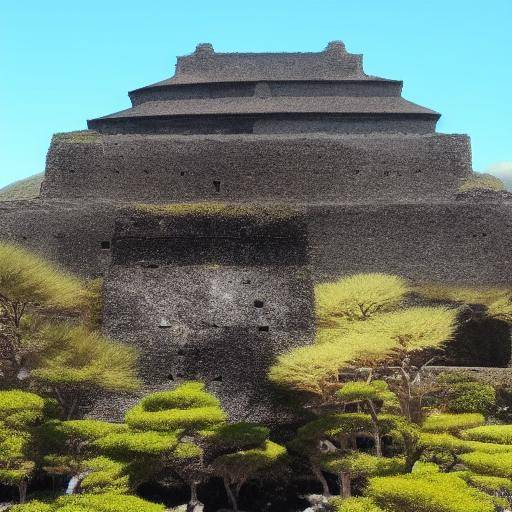
Bali, known as the "Island of the Gods", is an iconic tourist destination known for its beautiful natural landscapes, paradisiacal beaches and vibrant culture. Among its many attractions, the temples of Bali stand out as important historical and spiritual monuments that offer a fascinating view of the island's rich cultural heritage. In this complete guide, we will explore history, cultural importance, tourist aspects and unforgettable experiences when visiting the temples of Bali. From practical advice to in-depth analysis, you will discover everything you need to know to make the most of your trip to this charming island.
History and Background
Bali, an Indonesian island located in the Sonda archipelago, has been a religious and cultural centre for centuries. The history of the temples of Bali dates back to the ancient Balinese civilization, where Hinduism played a crucial role in the development of architecture and everyday life. The temples, known locally as "pura", have witnessed historical events, sacred rituals and community celebrations over the years.
The evolution of the temples in Bali reflects the unique fusion of Hindu and Balinese traditions, leading to a series of religious complexes and impressive shrines. Throughout different times, Bali has experienced the influence of European kingdoms, colonizers and intense tourism, which has shaped the cultural diversity of its architectural and religious heritage.
Analysis in Deep
In exploring the temples of Bali, it is crucial to understand the cultural and spiritual importance they have for the local inhabitants. Although many of these temples are open to tourism, it is essential to show respect for religious norms and practices that govern these sacred sites. From the famous Besakih Temple, the largest and most sacred in Bali, to the stunning Tanah Lot complex, each temple presents a unique opportunity to appreciate the rich spiritual and artistic tradition of the island.
The preservation of the temples in Bali in the face of the impact of tourism and environmental challenges represents an important theme to consider. Sustainable management and the conservation of cultural heritage are critical aspects to ensure that future generations can enjoy and learn from these unique structures. Restoration efforts, environmental awareness and community participation play a vital role in maintaining the authenticity and meaning of these historic sites.
Exhaustive examination
When planning a visit to the temples in Bali, it is essential to understand local practices and customs to participate in meaningful and respectful experiences. The ceremonies and festivals held in the temples offer the opportunity to immerse themselves in the religious and cultural life of Bali, providing an authentic experience that transcends the mere tourism.
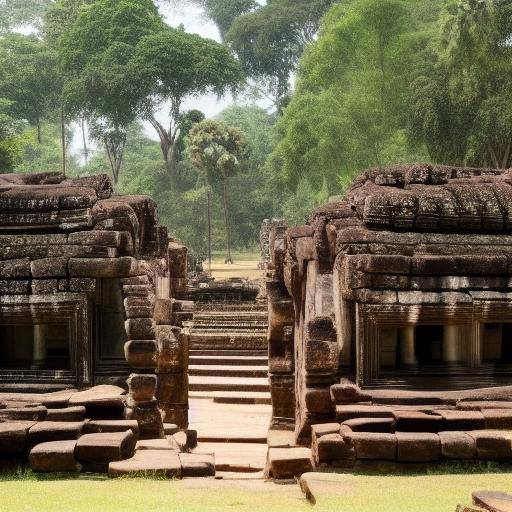
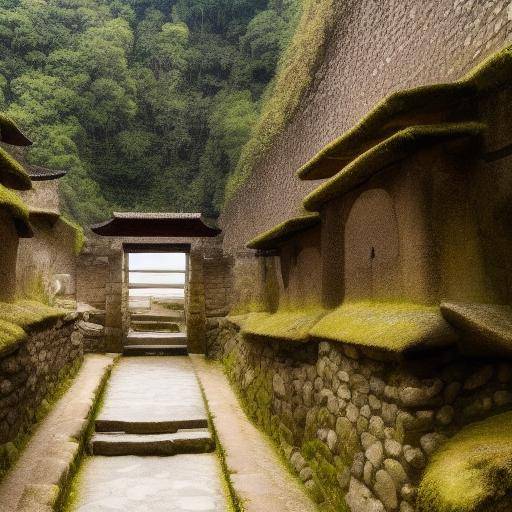
The comparison of the different temples and their architectural characteristics reveals the stylistic and symbolic diversity that defines the Balinese religious architecture. Each temple has unique elements that reflect spirituality and the connection with nature that are fundamental in the Balinese worldview.
Comparative analysis
In exploring the temples of Bali, it is interesting to consider how the tourist experience intertwines with local history and culture. The temples of Bali are not only religious centers, but also popular tourist destinations that attract visitors from around the world. To contrast the tourist perspective with the spiritual and cultural dimension of these places reveals the complexity of its meaning and its impact on the Balinese identity.
Practical Tips and Useful Tips
When visiting the temples of Bali, it is advisable to dress respectfully and follow the indications of the sacred places. It is advisable to wear a scarf or scarf to cover your shoulders and legs, especially when visiting temples where a specific dress code is required. In addition, it is essential to respect rules of conduct, such as keeping calm and being discreet when taking photographs.
Innovative ideas and expert opinions
The presence of local experts and scholars of the Balinese culture offers a unique vision of the importance of temples in the daily life of the island. Their opinions and knowledge enrich the understanding of the spirituality and cultural value of these sites, providing an authentic perspective that complements the tourist experience.
Case Studies and Practical Applications
The personal experiences of travelers who have visited the temples of Bali offer valuable testimonies about the emotional and spiritual impact of these visits. Traveler accounts provide a realistic view of the expectations and challenges presented when exploring these temples, which can be useful for future visitors.
Future Trends and Predictions
The future of the temples in Bali is influenced by the interaction between tourism, cultural preservation and religious tendencies. The integration of sustainable practices and the promotion of conscious tourism are elements that will mark the course of the management and development of these long-term sites.
Conclusion
In conclusion, exploring the temples of Bali offers a unique opportunity to immerse yourself in the rich history and spirituality of this vibrant island. From architectural magnificence to religious practices, each temple is a window to the soul of Bali. By understanding and respecting the cultural and spiritual importance of these temples, visitors can enjoy an enriching and meaningful experience that will last in their memories long after leaving the island.
Frequently asked questions
**What is the most important temple in Bali?**The Temple of Besakih, also known as the "Mother Temple", is considered the most important of Bali. Located on the slopes of Mount Agung, it is the largest and most sacred temple on the island.
**What are the clothing rules to visit the temples in Bali?**It is recommended to dress in a respectful way when visiting the temples of Bali, covering shoulders and legs. Some temples can provide sarongs or tissues for those who are not properly dressed.
**When is the best time to visit the temples in Bali?**The most favorable climate to visit the temples of Bali is usually during the dry season from April to October. However, it is important to note that some temples may be more crowded during certain religious holidays.
**Can I participate in religious ceremonies during my visit to the temples?**In some temples visitors are allowed to participate in certain religious ceremonies. It is important to show respect and follow the indications of locals during these experiences.
**What are the environmental challenges facing the temples in Bali?**Increased tourism and associated environmental challenges, such as erosion and pollution, raise concerns for the long-term preservation of Bali temples. Conservation and sustainability efforts are critical to mitigating these impacts.
**What other attractions are located near the temples of Bali?**In addition to temples, Bali offers a variety of stunning tourist destinations, such as exotic beaches, rice paddies on terraces, and adventure activities such as diving and trekking in active volcanoes.
By exploring the temples of Bali, immerse yourself in the rich cultural and spiritual heritage of this fascinating island. With a respectful understanding of its importance to the local community and a spirit of appreciation, you can enjoy a memorable experience full of meaning.
External sources:
- Bali Tourism - Official Site
- Bali Temples - History and Cultural Meaning
- Culture and Traditions of Bali - Booking.com
With this complete guide, you have at your disposal all the necessary resources to maximize your visit to the temples of Bali, plunging into the spiritual and cultural richness that these venerated sites offer. May your trip to Bali be an enriching experience that will last in your heart long after returning home!
It recalls that respect for local culture and the preservation of heritage are fundamental aspects to ensure that future generations can enjoy the unique magic of the temples in Bali. Enjoy your trip and experience the spiritual beauty of this fascinating island!
With this comprehensive guide to the temples of Bali, you are ready to undertake an unforgettable adventure, exploring the history, spirituality and unique beauty of these sacred shrines in the heart of the "Island of the Gods".
Good trip!