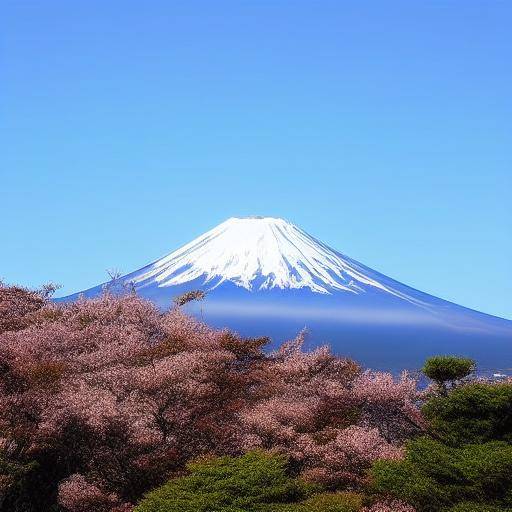
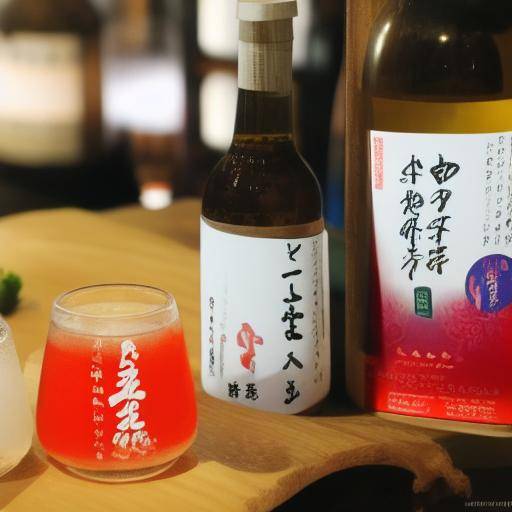
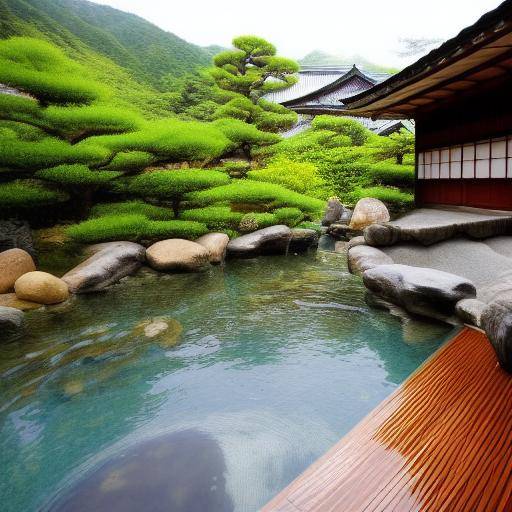
In Japan, sake is much more than an alcoholic beverage. This elixir, rooted in Japanese culture for centuries, is not only a source of national pride, but also an emblem of crafts, tradition and elegance. For lovers of wine tourism, the sake wineries in Japan offer a fascinating window to the history, production and tasting of this refined drink. In this complete guide, we will explore the wonders of the wineries of sake in Japan, immersed in its rich history, exquisite flavors, and the unique experience they offer to travelers.
Introduction
The sake wineries in Japan are unique enological destinations that offer visitors the opportunity to immerse themselves in the sake culture and explore the intricate production processes. In this guide, we will take you on an exciting journey through Japan's most emblematic sake cellars, offering you an unparalleled view of this mystical elixir and the traditions surrounding it.
History and Background
The sake, also known as "rice wine", has a rich and profound history that dates back to thousands of years. The roots of sake are intertwined with Japan's history, with evidence of its production dating back over 2000 years. Over the centuries, sake has evolved from a ritual drink in religious ceremonies to a central element in everyday life and celebrations.
The production of sake is impregnated with traditions rooted in Japanese cultural heritage, from the careful polishing of rice to the meticulous fermentation process. The sake wineries offer a unique vision of this millennial art, allowing visitors to enter into the traditional and modern techniques that give life to this emblematic drink.
In a country so rooted in crafts and tradition as Japan, sake is not only a drink, but an expression of national identity, a manifestation of Japanese aesthetics and a representation of meticulousness and perfection. Knowledge and understanding of the history and culture of sake are essential to fully appreciate its beauty and complexity.
Analysis in Deep
The sake has experienced a renewal in its popularity both nationally and internationally in recent years. As consumers seek alternatives to traditional alcoholic beverages, sake has gained ground as an exciting and versatile option that goes beyond Japan's borders.
Craft production and the diversity of sake styles offer a range of flavors, aromas and textures, making it a fascinating drink to explore and enjoy. The fermentation of sake is a refined process that requires skill, patience and dedication, and this level of craft is reflected in the final result: a drink that embodies the very essence of Japanese elegance.
Exhaustive examination
The sake wineries in Japan offer an integral experience that goes beyond the tasting of the drink itself. When visiting a sake cellar, travelers have the unique opportunity to immerse themselves in the processing process, from the selection of rice to fermentation and bottling. This immersion allows visitors to appreciate the meticulousness and passion that unfold in every stage of production.
In addition, sake wineries often offer guided tours and tastings that provide a deeper understanding of the complexities of sake, as well as the opportunity to explore the wide range of styles and variations of drink. Interaction with brewing teachers and sake experts provides a privileged perspective on the history, technique and art of sake processing, as well as the history and traditions that have shaped this unique drink.
Comparative analysis
The sake, the enological tourism and Japan are intrinsically intertwined, offering an extraordinary opportunity to explore Japanese culture, history and culinary art. The sake wineries are not only places of production, but also centers of learning, celebration and connection with the Japanese heritage. Through these visits, travelers have the opportunity to experience the synergy between the sake, tourism and the rich cultural heritage of Japan.
Compared to other enological experiences in the world, immersion in the wineries of sake in Japan is distinguished by its roots in tradition, its focus on crafts and its connection with Japanese nature. The elegance and simplicity associated with Japanese art are reflected in every drop of sake, which makes it an experience that goes beyond tasting the drink itself.
Practical Tips and Recommendations
If you plan to explore the sake cellars in Japan, here are some practical tips to get the most out of your experience:
- Investigate and choose wineries that offer guided tours in your language, which will expand your understanding of sakemaking.
- Do not limit yourself to tasting; participate in teasing sessions of sake and Japanese cuisine to discover how different varieties of sake are complemented with different dishes.
- Book in advance, especially if you plan to visit popular wineries during the high season.
- Do not miss the sake festivals, which are events full of joy and culture to immerse yourself in the festive atmosphere of sake production.
Industry Perspectives and Expert Reviews
The sake wineries in Japan represent the point of convergence between tradition and innovation, encapsulating the very essence of Japanese crafts. Experts in the sake industry highlight the importance of preserving traditional techniques while embracing opportunities for experimentation and evolution. In addition, industry leaders emphasize the crucial role of enological tourism in promoting global sake, building bridges that unite everyone's sake lovers with the historical roots and modern creativity of this emblematic beverage.
Case Studies and Practical Applications
Various wineries of sake in Japan have been pioneers in the implementation of sustainable practices, showing a commitment to the preservation of the environment and excellence in sake production. These cases show how the sake industry not only focuses on drinking quality, but also on social and environmental responsibility.
Future Trends and Predictions
The trend towards global sake appreciation will continue to boost the growth of the sake wineries in Japan. As the demand for authentic and enriching experiences continues to grow, the sake cellars will be positioned as destinations that are impermissible for travellers who are fond of the enological tourism and Japanese culture.
Conclusions
Exploring the sake wineries in Japan is an experience that goes beyond the simple tasting of a drink. It is a journey to the heart of Japanese culture, an opportunity to appreciate the crafts, history and beauty that define sake. Whether you are a sake enthusiast, a curious traveler or a culture lover, the sake wineries in Japan invite you to discover a world of tradition, elegance and unmatched taste.
Frequently asked questions
What is the difference between sake and wine?
The sake and wine are fermented alcoholic beverages, but they differ in their processing process and their main ingredients. While sake is made from rice, wine is produced from grapes. In addition, the fermentation process of sake is unique, as it involves the conversion of rice starch into sugars, followed by alcoholic fermentation.
What role do sake wineries play in promoting tourism in Japan?
The sake wineries play a crucial role in promoting tourism in Japan by offering unique enological experiences that attract international travellers eager to discover Japanese culture and tradition. These visits extend Japan's tourist offer, giving visitors the opportunity to get to know the craft behind sake and experience Japanese hospitality in an authentic environment.
What are the distinctive features of the sake wineries in Japan?
The sake wineries in Japan are distinguished by their focus on crafts, the connection with nature and respect for tradition. These production sites not only offer sake tastings, but also educational tours that deepen the process of making sake, allowing visitors to understand the cultural heritage surrounding this drink.
What kind of tourist would you enjoy more than one visit to the sake cellars in Japan?
Visits to the wineries of sake in Japan attract a wide range of tourists, from sake enthusiasts and enthusiasts of the enological tourism to travelers interested in discovering Japanese culture in its most authentic form. The diversity of experiences offered by the wineries of sake makes them attractive destinations for those seeking an immersion in Japanese tradition, crafts and hospitality.
What are some emblematic sake labels worth trying during a visit to a winery in Japan?
During a visit to a sake cellar in Japan, it is advisable to try different styles and varieties of sake, including the junmai, the gin, the daiginjo, and the nigori, among others. Each label has its own features and nuances, offering visitors a wide range of flavors and aromas to explore and enjoy.
What are some important traditions associated with tasting sake in Japan?
During the sake tasting in Japan, it is important to follow some traditions and protocols. These include showing respect to the host, receiving sake with both hands, and drinking in small sips to fully appreciate the flavors and aromas of the drink. Label and courtesy are fundamental aspects of the sake tasting experience in Japan.
In short, the sake wineries in Japan offer a unique opportunity to explore the rich history, exquisite craftsmanship and the unmatched flavors of this iconic Japanese drink. The combination of tradition, innovation, and hospitality makes a visit to these wineries an extraordinary enological experience that should not be missed during a trip to Japan.