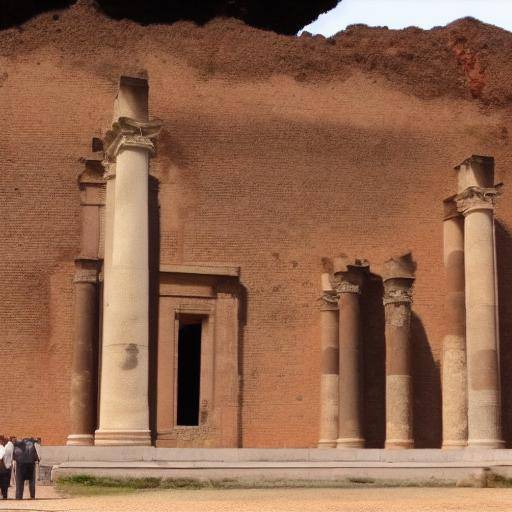
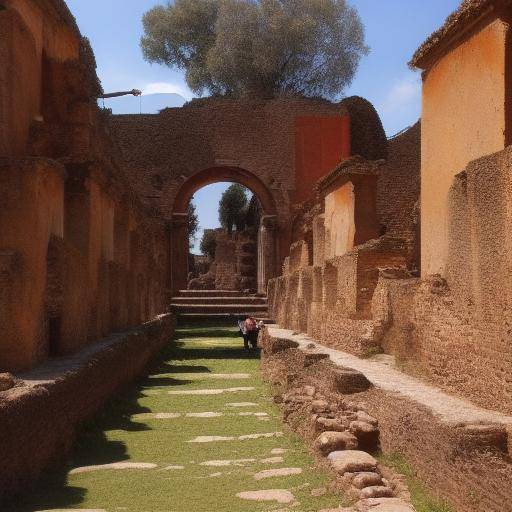
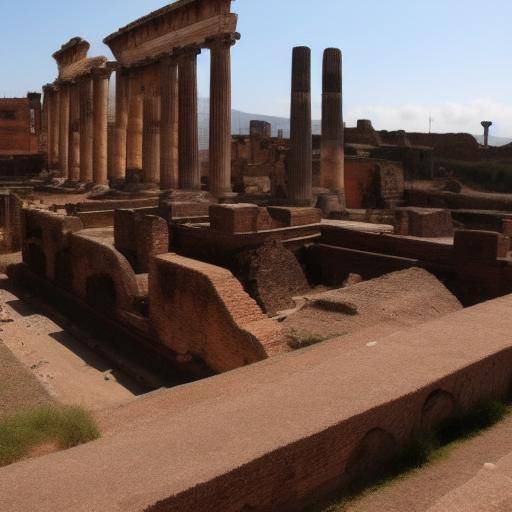
Pompeii, an archaeological treasure in Italy, offers tourists a unique experience when exploring the ruins of an ancient city that was buried by the eruption of the Vesuvius volcano in 79 AD. This article is a complete guide that provides detailed information and practical advice for those who wish to explore and understand the historic magnificence of Pompeya, as well as for lovers of tourism and history in general. From its history and background to practical advice, this article will take you to a journey through time to understand the fascinating Pompeya.
Introduction
Pompeii, an ancient city located near Naples in Italy, is a unique tourist destination that offers an extraordinary vision of Roman everyday life. With its well preserved ruins, Pompeii provides a window to the past that delights visitors with its amazing architecture, cobbled streets and ancient artifacts. This guide will provide essential information to explore Pompeii, from its history to practical tips to get the most out of your visit.
History and Background
Pompei, a prosperous city in ancient Rome, was buried under ashes and pumice stone after the catastrophic eruption of Vesuvius in 79 AD. This section will immerse you in Pompeii's history, unearthing the events that led to its disappearance and its rediscovery centuries later.
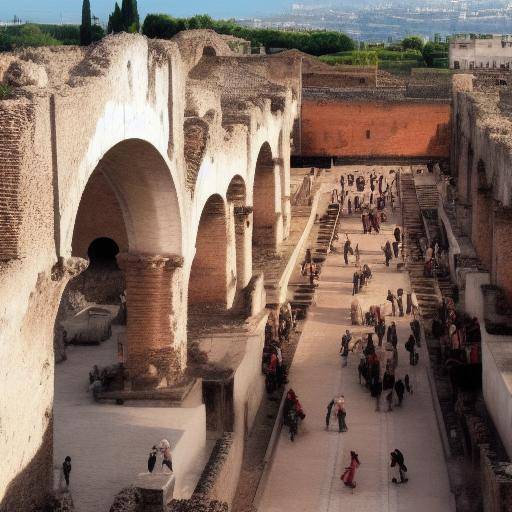
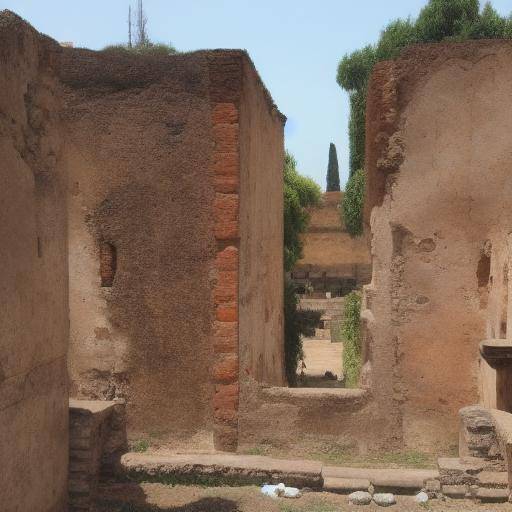
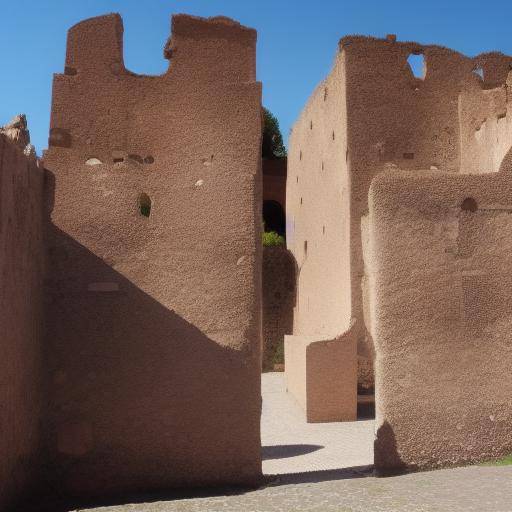
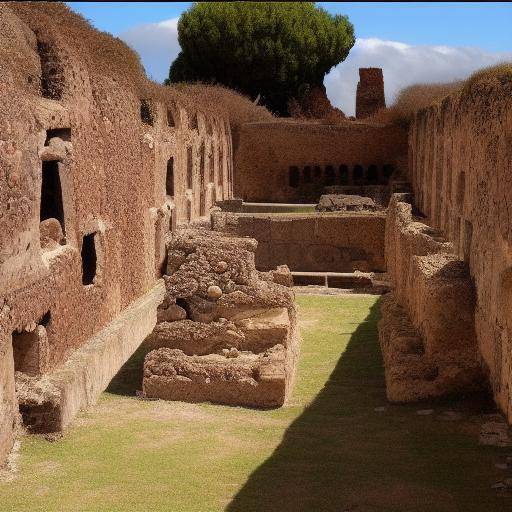
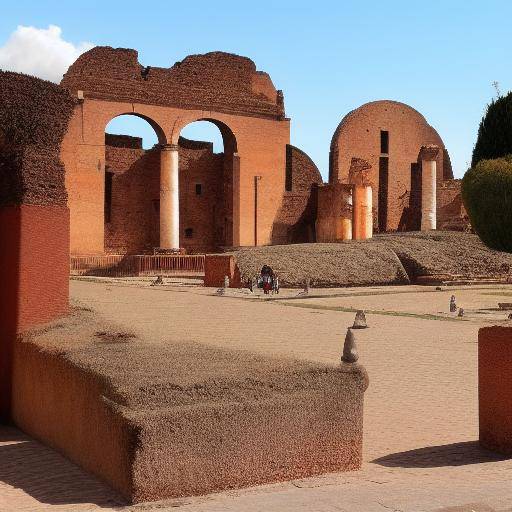
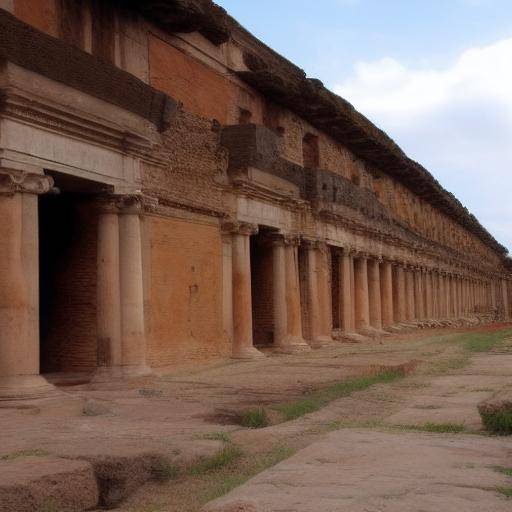
Pompeii's prosperity before the Vesuvius eruption is a testimony of its rich history. The city was a bustling port and shopping mall that housed a thriving population. In their streets, visitors could find luxurious villas, theaters, public bathrooms, taverns and temples dedicated to the Roman gods. The volcanic eruption buried Pompeii in a layer of ashes and lava, surprisingly preserving the details of everyday life and making it an archaeological treasure.
The rediscovery of Pompeii in the 18th century fascinated the world, revealing a unique snapshot of Roman life. The excavation of the ruins has provided archaeologists with an unprecedented vision of ancient Rome, revealing paintings, sculptures, buildings and objects that have enriched our understanding of the ancient world.
Deep analysis
Explore Pompeii offers visitors a unique experience, but it also poses important challenges and considerations. From the preservation of ruins to the management of tourism and heritage conservation, Pompeya faces a number of issues that need to be addressed with care and long-term vision.
Conclusion
In short, exploring the ruins of Pompeii is an enriching experience that transports visitors to a crucial moment in history. The vast and well-conserved ruins offer an incomparable vision of everyday life in ancient Rome, making Pompeii a must-see destination for history and tourism enthusiasts. In understanding the history and history of Pompeii, as well as current and future considerations, visitors can enjoy their experience as they contribute to the preservation of this archaeological treasure for future generations.
FAQs
Question: What is the best time to visit Pompeii?
Answer: Spring and autumn are usually the best time to visit Pompeya, as the weather is pleasant and there are fewer crowds compared to summer, when the heat can be intense and the ruins are filled with tourists. In addition, spring offers the advantage of the floral beauty that complements the experience.
Question: How long do you need to explore Pompeii?
Answer: It is recommended to book at least half a day to explore the ruins of Pompeyade properly. However, if you want to explore every corner and building in detail, consider dedicating a full day to your visit.
Question: How can I get to Pompeii from Naples?
Answer: From Naples, you can take the Circumvesuviana train that will take you directly to the entrance of Pompeya. The journey takes approximately 30 minutes and is a convenient and economical way to get to the archaeological site.
Question: What are the safety precautions I should take into account when visiting Pompeya?
Answer: When exploring the ruins of Pompeii, it is important to wear comfortable shoes as you will walk a lot. It is also advisable to take sun protection, as much of the site lacks shade. In addition, follow the directions of the site staff and respect the preservation standards to ensure a safe and respectful visit.
Question: Is Pompeii accessible to people with reduced mobility?
Answer: Although Pompeii is a historic site with cobbled and uneven streets, measures have been implemented to improve accessibility. There are specific routes for people with reduced mobility and detailed information is provided on the site's accessible areas.
Question: Can I hire tourist guides in Pompeii?
Answer: Yes, at the entrance of the ruins of Pompeii you will find official tourist guides that offer tours in different languages. Hiring a guide can enrich your experience by providing historical contexts and additional details on the site.
Question: Can you take photographs in Pompeii?
Answer: Yes, visitors can take photographs for personal use in the ruins of Pompeya. However, it is important to respect local regulations and refrain from using tripods or other equipment that may damage the structures or interfere with the experience of other visitors.
These FAQs provide useful information for those planning to visit Pompeya, providing guidance on practical aspects and important considerations before embarking on this historic journey.
With this complete guide to explore the ruins of Pompeya, I am sure that readers will be better prepared to enjoy your visit to this amazing archaeological treasure. Through the exploration of its history, current considerations and practical advice, Pompeii is revealed as an inescapable destination for lovers of history and tourism, offering an exceptional window to the past that will captivate those who seek to understand and appreciate the legacy of the ancient Roman city.