Introduction
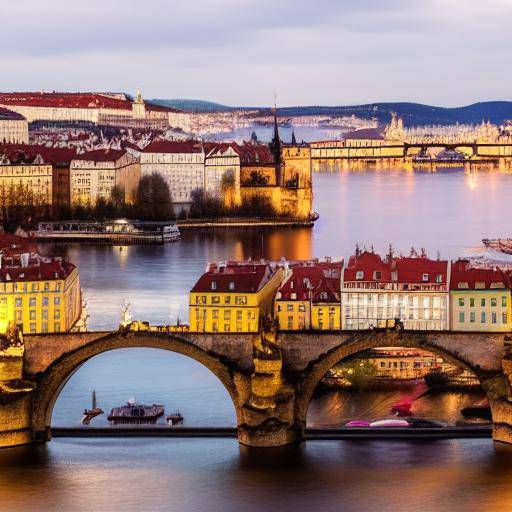
Anyone who has visited Prague will surely be marveled at the majesty of the Charles Bridge. This emblematic bridge, which crosses the River Moldava, is one of the city's main tourist attractions and an architectural gem with a fascinating history. In this complete guide, we will thoroughly explore the Charles Bridge, as well as the tourist and cultural wonders offered by Prague.
History and Background
The Charles Bridge, known locally as Karlův Most, is a magnificent Gothic-style bridge dating from the 14th century. Commissioner by King Charles IV to replace an earlier bridge, quickly became a crucial reference point for the city. Over the centuries, it has resisted floods, invasions and witnessed countless historical events.
The bridge, adorned with impressive Baroque statues, connects the Old Town with the Prague Castle district and has been an important symbol of the city, both in times of splendor and in the most difficult periods of its history. During the Second World War, it was a strategic objective, and its preservation over the years is a testament to the tenacity and devotion of the inhabitants of Prague.
Deep analysis
Tourism in Prague has experienced a remarkable increase in recent years, and the Charles Bridge is one of the main attractions for visitors. Its magnificent Gothic architecture, combined with the breathtaking views it offers from the Moldava River and the Prague Castle, make it a place for tourists. However, this growing interest has also raised challenges in terms of preserving and managing the flow of visitors.
The careful preservation of this historic monument is crucial to ensuring its legacy for future generations. In addition, intelligent tourism management is essential to protect the integrity of the bridge and ensure a pleasant experience for travelers. We will explore the measures that have been implemented to address these challenges and how conservation and sustainable tourism efforts are shaping the future of the Charles Bridge.
Comprehensive review
Apart from its historical and architectural importance, the Charles Bridge is also an important cultural and artistic meeting point in Prague. Every day, street artists, musicians and sellers gather on the bridge, creating a vibrant and unique atmosphere. We will explore how this combination of history, art and culture intertwines to offer visitors a truly unforgettable experience.
Comparative analysis
Compared to the Charles Bridge with other tourist sites in Prague, an amazing diversity arises. While the bridge represents architectural grandeur and rich history, other places in the city offer a variety of cultural experiences, from the majesty of Prague Castle to the bohemian atmosphere of the Jewish Quarter. Every corner of Prague tells a unique story, and we will explore how these tourist wonders complement each other.
Practical Tips and Accessible Tips
For those planning to visit the Charles Bridge and explore Prague, it is essential to have some practical tips to make the most of the experience. From the best time of the year to visit recommendations on local restaurants and nearby activities, we will provide a detailed guide for travellers to enjoy a perfect visit.
Perceptions of Industry and Expert Reviews
Speaking with experts in tourism and heritage preservation, we will get a privileged view of the challenges and opportunities surrounding the Charles Bridge and the tourism in Prague. Its valuable insights and insights will allow us to better understand the impact of tourism in the city and how it can be managed in a sustainable way for the benefit of all.
Case Studies and Real Life Applications
Through detailed case studies, we will illustrate how the Charles Bridge has been not only a focal point for tourism, but also a symbol of the identity of Prague. We will examine examples of events, festivals and celebrations taking place on the bridge, as well as how the local community has integrated this historic site into its everyday life.
Future Trends and Predictions
As world tourism continues to evolve, it is crucial to consider future trends that could affect the Charles Bridge and Prague as a whole. From the arrival of new technologies in tourism management to the movements for more sustainable tourism, we will explore how these trends could shape the experience of visitors in the coming years.
Conclusion
The Charles Bridge is much more than an architectural masterpiece; it is a living testimony of the history and culture of Prague. From its construction in the 14th century to its current role as the focal point of tourism, this bridge has resisted the test of time and remains a lasting symbol of the beauty and integrity of Prague.
FAQs
1. What is the best time of the year to visit the Charles Bridge?
Spring and autumn are usually ideal seasons, as the weather is pleasant and there are fewer crowds.
2. What is the best way to get to the Charles Bridge from the center of Prague?
Walking is the best option, as it allows you to enjoy the charm of the city while heading to the bridge.
3. What are some activities close to the Charles Bridge that you recommend?
Explore the Jewish Quarter, visit the Prague Castle and tour the picturesque streets of Old Town are highly recommended activities.
4. What are the current restrictions to visit the Charles Bridge?
Currently, there are no restrictions on access to the bridge, but it is important to respect the environment and follow the signs of conservation.
5. What is the best time of the day to visit the Charles Bridge?
Both sunrise and sunset offer breathtaking views, with fewer crowds and a magical atmosphere.
6. What measures have been implemented to preserve the Charles Bridge for future generations?
Conservation and restoration projects have been carried out, as well as sustainable tourism initiatives to protect the integrity of the bridge.
This complete guide aims to offer a detailed view of the Charles Bridge and the wealth of experiences that await those who explore Prague. From its legendary history to its role in contemporary tourism, the Charles Bridge is truly a wonder that deserves to be appreciated.