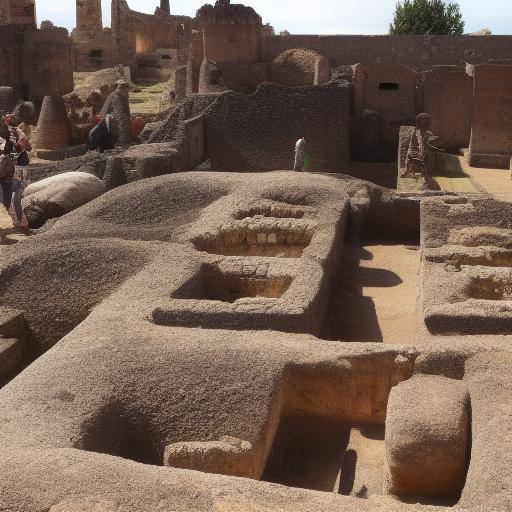
Bali, known as "The Island of the Gods", hosts an architectural and spiritual wonder known as the Temple of Besakih. This temple complex is the largest and most sacred of Bali, representing a significant pilgrimage site for the Balinese Hindus. In this complete guide to explore the temples of Besakih, we will discover the rich history behind this place, explore its spiritual aspects, analyze its impact on tourism in Bali, and provide practical advice to those who wish to visit this majestic place.
Introduction
Located on the slopes of Mount Agung, the Besakih Temple is an architectural gem that evokes a sense of wonder and admiration. This article will take you on a journey through history, cultural and spiritual meanings, as well as the tourist influence of this impressive destination.
History and Background
Origins of the Besakih Temple
The Besakih Temple, also known as the "Mother Temple", has its roots in the ancient Balinese spirituality. Built around the 8th century, this religious complex has witnessed numerous historical events, resisting volcanic eruptions, earthquakes and political conflicts. Over time, several shrines and altars have been added, creating a complex network of structures, each with its own history and purpose.
Evolution to the Length of the Century
Over the centuries, the Besakih Temple has evolved both in its physical structure and in its spiritual meaning. Initially a place of worship for local communities has grown to become a pilgrimage site for Hindus around the world. Reforms and restorations have maintained the integrity of the site, preserving its cultural importance.
Analysis in Deep
Impact of Tourism
The Besakih Temple is not only a spiritual symbol, but also a magnet for tourism in Bali. Its influence on the local economy and tourism culture is palpable. Through tourism, the Besakih Temple has found a way to finance its conservation and promotion. However, the increase in visitors also poses challenges in terms of preservation and sustainable management.
Local and Cultural Economy
Tourism has allowed the local community to develop businesses around the Besakih Temple, from tourist guides to souvenir markets. This support economy is vital to the sustainability of the area, although it also requires careful balance not to compromise the spiritual integrity of the temple.
Detail
Tourism Infrastructure and Management
The infrastructure surrounding the Besakih Temple is designed to handle large numbers of visitors without compromising the spiritual experience. Management practices analysis reveal strategies to control the flow of tourists and minimize environmental impact. The construction of roads, parking areas and tourist guide services have been essential to maintaining the organization and security of visitors.
Environmental Conservation
Conservation efforts include protecting local flora and fauna and implementing sustainable practices. These measures are crucial to maintain the natural beauty of the Besakih Temple environment and ensure that future generations can enjoy this site.
Comparative analysis
Besakih Temple and Other Destinations in Bali
Compare the Besakih Temple to other tourist destinations in Bali, such as the Tanah Lot Temple and the Uluwatu Temple, highlights its similarities and differences. While all these temples share a profound spiritual and cultural importance, the Besakih is distinguished by its size and its central role in Balinese religious life.
Economic Impact and Sustainability
Analyzing the economic impact and sustainability strategies in these different temples offers a vision of how Bali manages its cultural heritage. Success in the management of the Besakih Temple can serve as a model for other heritage sites in the region.
Tips and Suggested Actions
Clown and Protocol
It is essential to dress properly when visiting the Besakih Temple. Visitors should use sarong and sash, which can be rented at the entrance of the temple. Respecting local practices and standards is crucial for a positive experience.
Best Moments for the Visit
Visiting the temple early in the morning or at the end of the afternoon can offer a quieter and less crowded experience. Avoiding local holidays, when the temple can be particularly full, it can also improve the experience.
Connect with Local Community
Interacting with local guides and participating in ceremonies can enrich the visit. These experiences offer a deeper insight into the practices and beliefs that make the Besakih Temple such a special place.
Industrial Perspectives and Expert Reviews
The opinions of experts in tourism, conservation and local spirituality add a significant dimension to our understanding of the Besakih Temple as a tourist destination and spiritual site. Experts highlight the importance of balancing tourism with the conservation and need to educate visitors about respect for sacred sites.
Case Studies and Practical Applications
Influence in the Cotidian Life of the Local
Exploring case studies that highlight the influence of the Temple in the daily lives of locals shows how traditions and modernity live in the surroundings of this emblematic site. The integration of traditional practices in modern life is an example of cultural resilience.
Sustainability initiatives
Sustainability projects around the Besakih Temple, such as reforestation and waste management programs, are examples of how local communities and site administrators work together to preserve the natural and cultural environment.
Future Trends and Predictions
Based on current evidence and projections, we will discuss future trends in tourism management, as well as the preservation and dissemination of the cultural and spiritual heritage of the Besakih Temple. The growing awareness of sustainability and responsible tourism will surely influence future management strategies.
Conclusions and FAQs
Summary of Key Aspects
The Besakih Temple is a testimony to the rich cultural and spiritual heritage of Bali. Its importance as a pilgrimage site and its tourist attraction require a delicate balance between preservation and accessibility. The effective management of tourism and the education of visitors are essential to maintain the integrity of this sacred site.
Frequently asked questions
- What is the best time of the year to visit the Besakih Temple?
- The dry season, from April to October, is ideal to visit, as the weather is more pleasant.
- Is it necessary to hire a guide to visit the temple?
- It is not mandatory, but it is recommended to gain a deeper understanding of the history and culture of the site.
- Can you take photographs inside the temple?
- Yes, but the restricted areas must be respected and religious ceremonies should not be interrupted.
- What conservation measures are being taken at the Besakih Temple?
- Reforestation, waste management and environmental education programmes are being implemented for visitors.
- How can I participate in a ceremony at the Besakih Temple?
- It is possible to join the ceremonies, but it must be done with respect and following the directions of the premises.
This guide provides a complete understanding of the Besakih Temple, its cultural and spiritual importance, and how visitors can experience this place in a respectful and meaningful way.