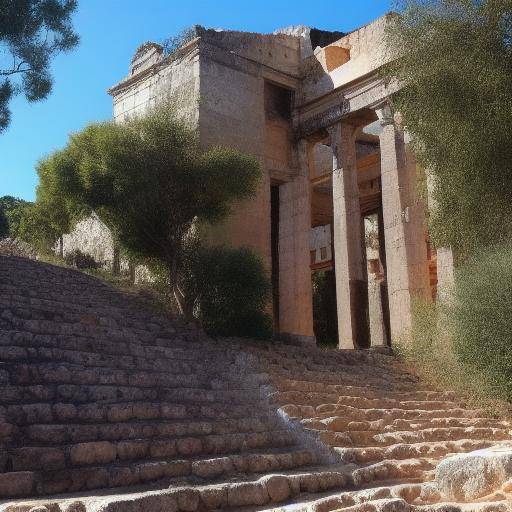
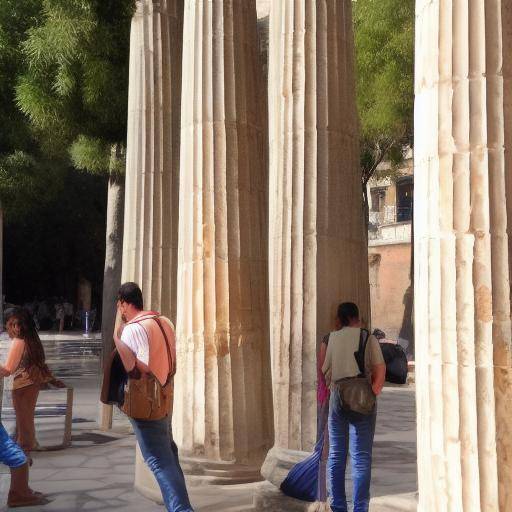
With its fascinating history, imposing structures and stunning views, the Acropolis of Athens is an emblematic destination that attracts travelers from around the world. In this guide, we will explore this exceptional site in depth, as well as tourism in Athens. In addition, we will provide practical advice, analyze current trends and discuss future predictions.
Introduction
The Acropolis of Athens is one of the most impressive historical treasures in the world, and its influence on architecture and culture is undeniable. From the Parthenon to the Dionysian Theatre, each structure tells a unique story that transports visitors to past times of grandeur and splendor. In this guide, you will learn everything you need to know to fully explore and appreciate this historic site, as well as immerse yourself in the vibrant tourist atmosphere of Athens.
History and Background
The Acropolis of Athens has its roots in Ancient Greece and has witnessed transcendental events over the centuries. From its construction in the 5th century BC to its role in modern history, this emblematic place has been at the center of important events and has exerted a lasting influence on the world.
The Acropolis was erected as a symbol of the greatness of Greek civilization and as a tribute to the goddess Athena, whom the city of Athens owes its name. Over the years, it has gone through periods of splendour, destruction and restoration, which has contributed to its rich history and its current state as one of the most emblematic tourist destinations in the world.
At present, the Acropolis is not only an archaeological treasure, but also a place of deep cultural significance that attracts avid visitors to explore the grandeur of the past. From Athenian democracy to the philosophical influence of figures such as Socrates and Plato, the Acropolis has witnessed events that have shaped the world as we know it.
Deep analysis
Beyond its historical importance, the Acropolis plays a fundamental role in the modern life of Athens and in the tourist industry in general. Its unique architecture, exceptional works of art and its links to Greek mythology make it a magnet for tourists everywhere, generating a significant impact on the local economy and culture.
In terms of tourism, Athens stands out as a destination that combines fascination with antiquity with a vibrant modern life. The combination of historical monuments, charming taverns and a constantly evolving artistic scene makes this city a reference point for travellers looking to explore the past while enjoying the comforts of the present.
Comprehensive review
In exploring the Acropolis and tourism in Athens, it is important to consider the various perspectives that enrich the experience. Guided tours, self-guided tours, hosting options and local culinary delights provide a diverse range of opportunities for travelers in search of unique discoveries.
Some might point out the challenges associated with preserving such an important historical site, as well as continuing efforts to balance conservation with the needs of a constantly growing tourist industry. However, the Acropolis remains a living testimony of the cultural wealth of Athens and the lasting legacy of ancient Greece.
Comparative analysis
By comparing the Acropolis, tourism and the city of Athens, there are similarities and differences that highlight the complexity and diversity of this fascinating destination. While the Acropolis embodies the architectural and cultural grandeur of ancient Greece, tourism in Athens offers opportunities to discover both history and contemporary life. Athens is shown as a crucible of modernity and tradition, where the vestiges of the past coexist harmoniously with the energy of a constantly evolving metropolis.
Practical Tips and Accessible Tips
When planning a visit to the Acropolis and Athens, it is important to take into account practical aspects, such as the best moments to visit, nearby attractions, transport options and cultural experiences that should not be missed. From the organization of itineraries to the exploration of the vibrant gastronomic scene of the city, there are numerous opportunities to enjoy an enriching tourist experience without setbacks.
When exploring the Acropolis, it is recommended to reserve enough time to admire every architectural detail and immerse yourself in the majesty of its surroundings. Also, when discovering the city of Athens, the exploration of emblematic neighborhoods, the enjoyment of local gastronomy and the participation in authentic cultural experiences can significantly enrich the experience of the traveler.
Industry Information and Expert Reviews
The opinions of experts in archaeology, history, tourism and culture can provide a valuable perspective on Acropolis and Athens. Its expertise and experience on the ground offer a deeper understanding of the historical, cultural and tourist contexts that enrich the visit to this unique destination.
Case Studies and Real Life Applications
Case studies that illustrate the practical applications of history, tourism and culture in Athens can provide a concrete view of how these elements intertwine in real life. From restoration and conservation projects in the Acropolis to innovative tourist initiatives, these examples offer a wide view of the practical and significant implications of these elements in the city and beyond.
Future Trends and Predictions
As the Acropolis and tourism continue to play crucial roles in Athens, trends and projections that could further transform the cultural and tourist landscape of the city. From technological advances that facilitate more immersive experiences to sustainability initiatives that preserve historical heritage, these trends promise to shape the future of Acropolis and Athens in meaningful and exciting ways.
Conclusion
Explore the Acropolis of Athens and immerse yourself in the vibrant tourist scene of the city offers a unique opportunity to connect with the grandeur of the past and the vitality of the present. History, tourism and culture converge in an impressive way in this exceptional destination, giving visitors an unforgettable and enriching experience.
Frequently asked questions
What is the best time to visit the Acropolis of Athens?
The best time to visit the Acropolis is during the spring, from March to May, and during the fall, in September and October. These stations offer a pleasant climate and less agglomerations of tourists, allowing you to fully enjoy the site.
How long do you need to explore the Acropolis completely?
It is recommended to spend at least half a day to visit the Acropolis and explore its monuments calmly. This will allow us to appreciate in detail the architectural grandeur and the historical wealth of the site.
What accommodation options are recommended in Athens?
Athens offers a wide range of accommodation options, ranging from luxury hotels to cozy hostels and apartments. Depending on the budget and individual preferences, accommodation can be found in the city centre or in its surroundings, with easy access to the Acropolis and other tourist attractions.
What are the traditional dishes that should not be missed when visiting Athens?
When visiting Athens, it is essential to try traditional dishes such as souvlaki, moussaka, Greek salad and yogurt with honey. The rich Greek gastronomy offers a delicious culinary experience that perfectly complements the visit to the Acropolis.
Is it recommended to hire a guided tour to explore the Acropolis?
A guided tour can significantly enrich the experience of exploring the Acropolis, as the guides can provide historical contexts and architectural details that enrich the visit. However, travelers can also opt for self-guided tours if they prefer a more independent exploration.
What complementary activities can be enjoyed near the Acropolis?
Near the Acropolis, travelers can visit the Acropolis Museum, explore the Plaka district with its picturesque streets and enjoy panoramic views from Monte Licabeto. In addition, the city offers cultural, gastronomic and commercial options that complement the visit to the historical monument.
What is the cultural importance of the Acropolis today?
The Acropolis remains an exceptional cultural symbol for Greece and the world, as it represents the peak of Greek civilization and its lasting legacy. The preservation and celebration of this historic site continue to be fundamental to the identity and cultural heritage of Athens and humanity in general.
By exploring the Acropolis of Athens and entering the vibrant tourist scene of the city, an extraordinary universe is discovered that merges past and present in a unique way. This unique destination invites travelers to immerse themselves in an experience that transcends time and continues to inspire the imagination and adventurous spirit of those who visit it. Start your journey to the Acropolis and Athens, and marvel at the greatness of the history and the vitality of the present!