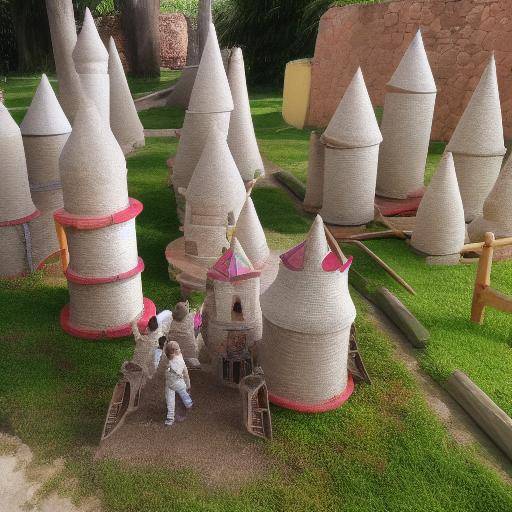
Castles are monuments that awaken the imagination, evoking stories of royalty, battles, and mysteries that have endured over time. Their imposing presence and their connections to literature and mythology make them a fascinating theme to explore. In this article, we will discover the influence of castles in literature, as well as the stories and legends that surround them.
Introduction
The castles, with their imposing architecture and rich historical heritage, have been an inexhaustible source of inspiration for writers and poets over the centuries. From medieval fortresses to Renaissance palaces, the presence of castles has left an indelible mark in literature, generating stories of love, intrigue, and adventure that have captivated entire generations.
In this article, we will explore the influence of castles in literature over time, analyzing how these structures have played a crucial role in the creation of myths and legends that still last today. We will discover how the authors have taken advantage of the magic and mystery of castles to weave unforgettable stories, and how these stories continue to resonate in popular culture.
History and Background
Origins and Evolution of Castles
The castles have their roots in medieval Europe, where they emerged as defensive fortifications to protect the nobility and their lands from invasions and conflicts. Over the centuries, their design and function evolved, becoming symbols of power and prestige that have left an indelible mark on history and collective imagination.
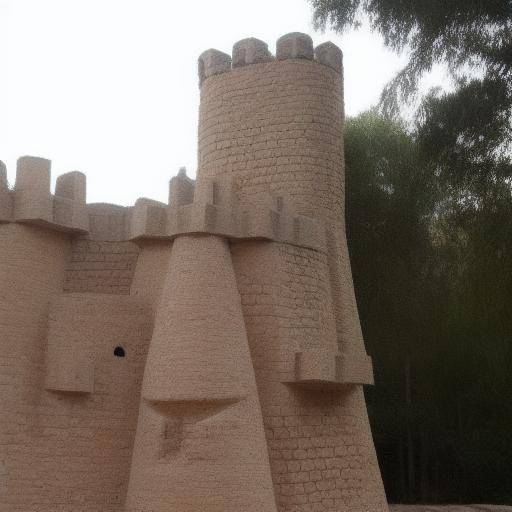
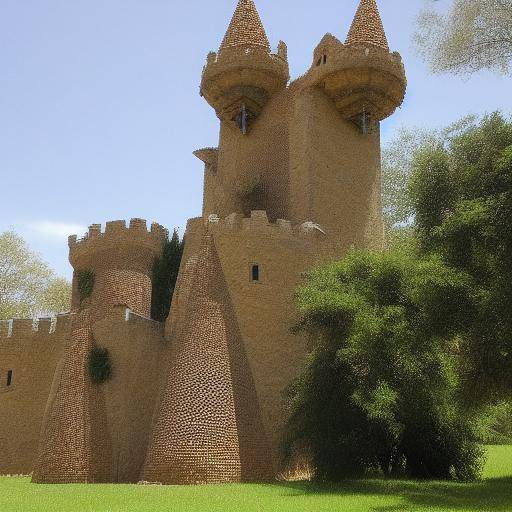
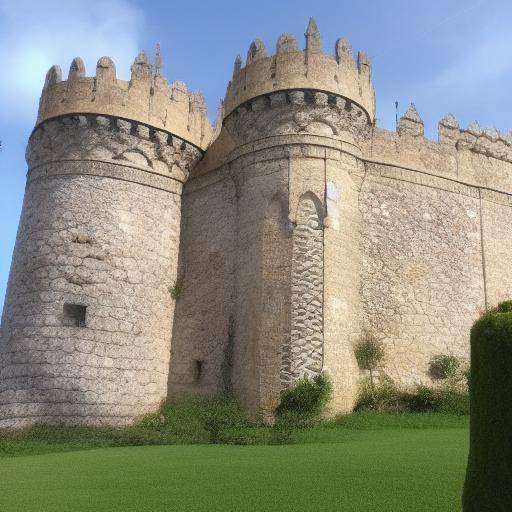
The architecture of the castles, with its imposing towers, walls, and pits, has served as a perfect setting for countless epic and romantic stories. From the Shakespearean tragedies to the artistic legends, the castles have provided an evocative backdrop to explore human longings and passions in literature.
The Influence of Castles in Literature
The presence of castles in literature has been omnipresent, from fairy tales and medieval legends to the masterpieces of universal literature. These imposing structures have served as metaphors of power, oppression, and freedom, configuring the plot and symbolism of countless literary works.
Authors like J.R.R. Tolkien, with his iconic description of Minas Tirith in "The Lord of the Rings", or Emily Brontë, with his evocative representation of Wuthering Heights, have used castles as emblematic scenarios that have transcended their architectural function to become protagonists of their own stories. The presence of castles has influenced the atmosphere and tone of literary works, giving them a unique and enveloping character.
Deep analysis
Legends and Mythologies Associated with Castles
The castles have been the scene of countless legends and myths that have endured over time. From the stories of ghosts lurking in their dungeons to the stories of forbidden love that were born among their walls, the castles have been the source of inspiration for a rich tradition of myths and legends that have enriched folklore and popular literature.
The stories of enchanted castles, such as the Castello di Amorosa in Italy or the Bran Castle in Romania, have captured the imagination of writers and readers alike, generating stories of terror and mystery that have permeated popular culture. These legends have enriched the literature with its supernatural atmosphere and have added layers of meaning to the stories that contain them.
Exhaustive examination
The Influence of Castles in Literary Imagination
The castles have exerted a significant influence on literary imagination, providing a landscape full of symbolism and mystery that has enriched countless works. From the Gothic novels of the nineteenth century to the contemporary fantastic sagas, the castles have served as symbols of the unknown, the impenetrable, and the unattainable, generating a sense of intrigue and wonder that has captivated the readers.
Comparative analysis
Castles and Literature: An Indissoluble Link
The connection between castles and literature is undeniable, as both have been fundamental to the construction of cultural identities and the transmission of traditions throughout history. The representation of castles in literature has transcended the geographical and temporal borders, becoming a universal symbol of human imagination and the desire to explore the most hidden corners of the human psyche.
In addition, castles have played a crucial role in the development of specific literary genres, such as historical novel and fantastic literature, providing an evocative backdrop that has enriched the plot and context of countless works. His presence has allowed the authors to immerse readers in distant worlds and past times, capturing the magic and splendor of these monumental structures in the narrative.
Mythology in the Castles and their Literary Representation
The mythology surrounding the castles has been a recurring theme in literature, generating stories of gods and heroes that have transcended cultural and linguistic barriers. From the Nordic myths that speak of inexpugnable fortresses to the legends of knights and maidens that populate the arturic narratives, castles have been the perfect setting to explore the myths and beliefs of different cultures throughout history.
This rich mythological tradition has inspired writers of all ages, who have woven complex narratives around figures and events that take place in the magical environment of castles. Legends of enchanted castles, dragons guarding precious treasures, and wandering spirits have added a layer of enigma and wonder to literature, consolidating the connection between castles and mythology in the collective imagination.
Practical Tips and Useful Recommendations
Inspiration for Writers: How to Use Castles in Literature
For writers seeking to incorporate castles into their works, there are countless creative approaches that they can adopt to take advantage of the narrative and symbolic potential of these monumental structures. Some effective strategies include:
- Use the physical surroundings of the castle, including its corridors in dungeon, imposing towers, and secret passages, to generate a sense of atmosphere and suspense in the narrative.
- Explore myths and legends associated with castles as a source of inspiration to develop the plot and the characters of history.
- Use symbolism associated with castles, such as representation of power, oppression, redemption, or resistance, to enrich the underlying meaning of literary work.
Conclusion
The influence of castles in literature is undeniable, as these imposing structures have been fundamental to the creation of stories and legends that have endured over time. From medieval epopeyas to contemporary novels, castles have provided an evocative and symbolic scenario that has enriched the literary narrative, offering readers a world of wonders and adventures to explore.
Exploring the connection between castles, literature, and mythology allows us to understand the transcendence of these monuments in human culture, as well as the profound influence they have had in the collective imagination over the centuries. As the stories and legends surrounding them continue to resonate in contemporary literature, castles remain an inexhaustible source of inspiration for today's writers and readers.
Frequently asked questions
1. What is the role of castles in Gothic literature?
Gothic literature has used castles as perfect scenarios to explore issues such as terror, mystery, and oppression. Gothic castles are often represented as bleak and decadent places, evoking an atmosphere of distress and suspense that has been fundamental to the development of this literary genre.
2. What are some examples of castles that have inspired literature?
emblematic castles such as the Castle of Dracula in Transylvania, the Castello di Amorosa in Italy, and the Castelo de Almourol in Portugal have been a source of inspiration for countless literary works, generating stories of horror, romance, and adventure that have captivated readers from around the world.
3. What is the symbolic role of castles in fantastic literature?
In fantastic literature, castles often represent the idea of the unattainable, the mysterious, and the majestic. These monumental structures act as symbols of power and magic, offering a perfect setting to develop narratives full of imagination and wonder.
4. How have castles influenced the creation of literary characters?
The castles have provided a rich and evocative environment that has influenced the creation of memorable literary characters, from brave knights to damsels in trouble. The presence of the castles has enriched the personal history and motivations of many characters, generating stories full of intrigue and emotion.
5. What kind of myths and legends associated with castles have influenced modern literature?
The myths and legends of enchanted castles, captive maidens, and lost treasures have been part of the rich literary tradition that has inspired contemporary authors to create stories full of mystery and fantasy. These narratives have helped to enrich popular literature with its supernatural elements and timeless themes.
6. How can writers incorporate the iconography of castles into contemporary literature?
Contemporary writers can take advantage of the rich iconography of castles to enrich their works, either by creating fantasy worlds inspired by medieval architecture or by exploring human emotions and conflicts through the metaphor of the castle as a symbol of human nature.
In conclusion, the connection between castles, literature, and mythology has been fundamental to the creation of unforgettable stories and lasting legends that have enriched human culture over the centuries. As we continue to explore the depths of this connection, we discover the amazing influence that these imposing structures have had in literary imagination, enriching the world of literature with its magical atmosphere and its lasting legacy.