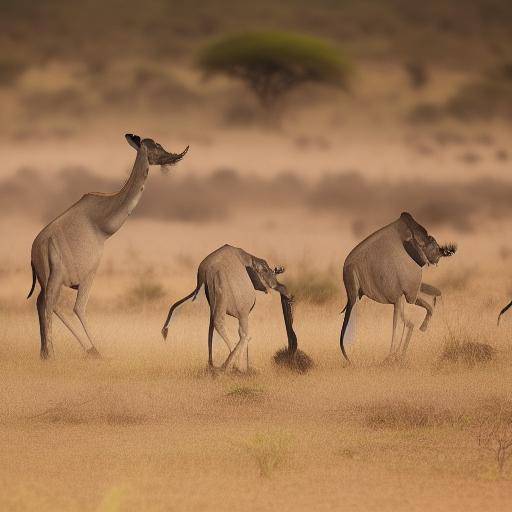
The Masai Mara in Kenya is an exciting destination for lovers of wildlife and photography. Its vast plains and rich animal diversity offer unique opportunities to capture unforgettable moments. In this photo guide, we will explore everything you need to know to make the most of your experience in the Masai Mara, from history and context to practical advice and future trends.
Introduction
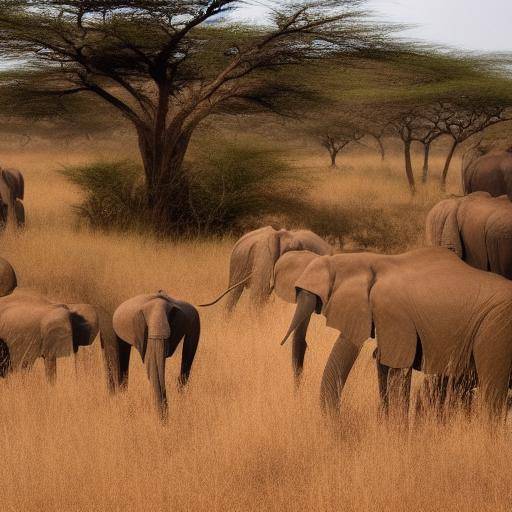
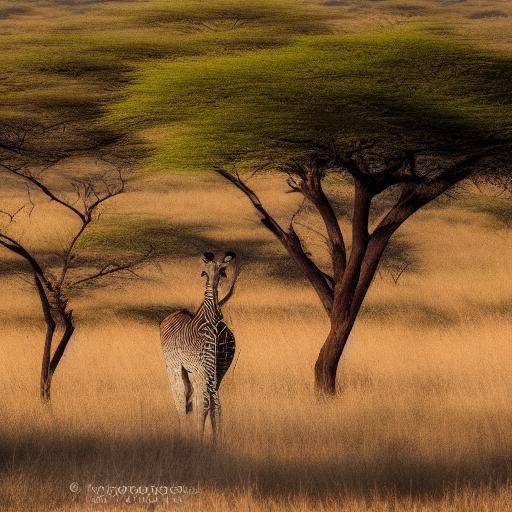
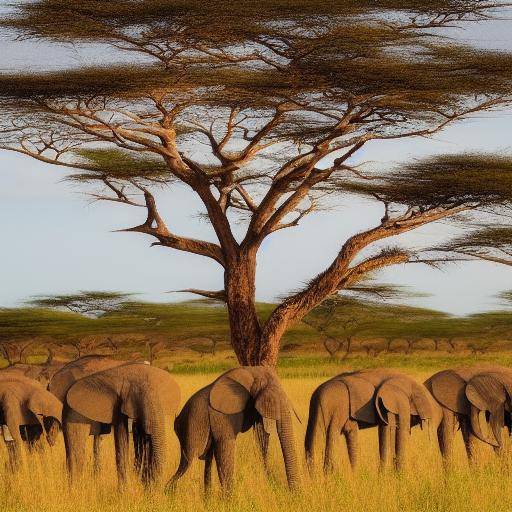
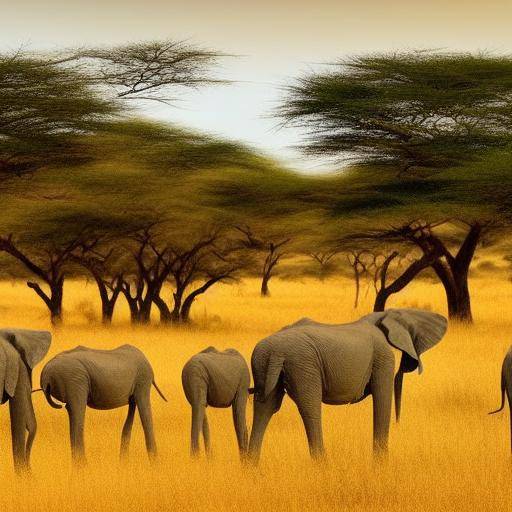
The Masai Mara, located in the southwest of Kenya, is known for its stunning landscapes and its extraordinary concentration of wildlife. From the annual migration of luus and zebras to the majestic lions and elephants, this natural sanctuary offers countless opportunities to capture the beauty of nature in its purest state.
In this photo guide, you will immerse yourself in the rich history and context of the Masai Mara, learn about the unique opportunities and challenges that photography presents in this environment, and you will get practical advice from experts to improve your photographic skills and make the most of your visit to this African paradise.
History and Context
The Masai Mara has a rich and fascinating history dating back centuries. From its origins as a grazing land for the Masai tribes to its evolution as one of the most emblematic tourist destinations in Africa, this unique ecosystem has witnessed countless changes and transformations over time.
We will explore the history and context of the Masai Mara, from its ancestral roots to its role in the conservation of wildlife. We will deepen its cultural importance, its impact on the local economy and its role in global environmental awareness.
Focus on Photography
Photography at the Masai Mara presents unique challenges and opportunities. From the management of light in the wide open landscapes to the capture of moving action of animals, photographers face a dynamic environment that requires exceptional technical and creative skills.
We will immerse in the world of photography in the Masai Mara, exploring the recommended techniques and equipment, sharing practical advice to capture wildlife in a shocking way and offering innovative ideas to make the most of every photographic opportunity that is presented.
Practices and Best Practices
Photography at the Masai Mara goes beyond the simple capture of images; it also plays a crucial role in the conservation and promotion of wildlife. We will explore how photographers can use their skills to raise awareness, support conservation and contribute to the global understanding of the importance of preserving natural environments such as the Masai Mara.
Comparative analysis
The world's national parks and wildlife reserves offer unique experiences for photographers, and the Masai Mara is no exception. In this section, we will compare and contrast the specific opportunities and challenges presented by this destination compared to other emblematic places for wildlife photography.
Practical Tips and Accessible Tips
For those planning a visit to the Masai Mara, this section will provide an invaluable guide to prepare, pack the right equipment and maximize photographic opportunities once on the ground. From the team's choice to composition techniques, photographers will find practical and actionable advice to improve their photographic experience at the Masai Mara.
Conclusion " FAQs
In short, you will explore the marvels of the Masai Mara and discover effective strategies to capture wildlife in all its splendor. As you immerse yourself in this journey, remember that photography in the Masai Mara goes beyond the impressive images; it is an opportunity to connect with nature and contribute to its conservation.
Conclusion
The Masai Mara offers an incomparable experience for lovers of wildlife and photography. From its rich history to the unique opportunities it presents for photographers, this African destiny is truly inspiring. As you prepare for your adventure at the Masai Mara, remember that patience, careful observation and respect for nature are essential to capture unforgettable moments.
FAQs
What is the best time to visit the Masai Mara for photographic purposes?
The annual migration of luus and zebras, which usually takes place between July and October, offers exceptional opportunities for wildlife photography in the Masai Mara. During this time, photographers can witness stunning scenes of nature in their purest state.
What photo equipment is recommended for the Masai Mara?
It is recommended to carry a good quality telephoto lens, ideally in the range of 200-400 mm, to capture details in the distance and respect the space of wildlife. It is also useful to have a wide-angle lens to capture expansive landscapes and nearby action scenes.
What are the common challenges facing photographers in the Masai Mara?
The management of light in the wide open landscapes, the monitoring of the rapid action of wildlife and the need to respect the limits of animals are some of the challenges that photographers can find in the Masai Mara.
What conservation measures are carried out in the Masai Mara?
The Masai Mara is committed to the conservation of its ecosystem and wildlife. Habitat conservation programmes, endangered species protection efforts and educational activities have been implemented to involve the local community in conservation.
Is it necessary to hire a local guide or photographer to maximize the experience at the Masai Mara?
While it is not mandatory, having a local guide with experience in wildlife and photography can significantly enrich the experience. The guides know the patterns of behavior of wildlife, the best places to watch animals and can share valuable information about the environment.
How can we contribute to conservation and sustainability during a visit to the Masai Mara?
To respect established rules of conduct, to support local companies committed to sustainable practices, and to participate in specific conservation activities, such as safaris that contribute directly to conservation projects, are concrete ways of contributing to the sustainability and preservation of the Masai Mara.
In summary
Photography at the Masai Mara is a rewarding and enriching experience, offering a window to the amazing beauty and diversity of African wildlife. As you immerse yourself in this journey, remember that photography in the Masai Mara goes beyond the impressive images; it is an opportunity to connect with nature and contribute to its conservation. Prepare to capture unforgettable moments in the heart of Africa!