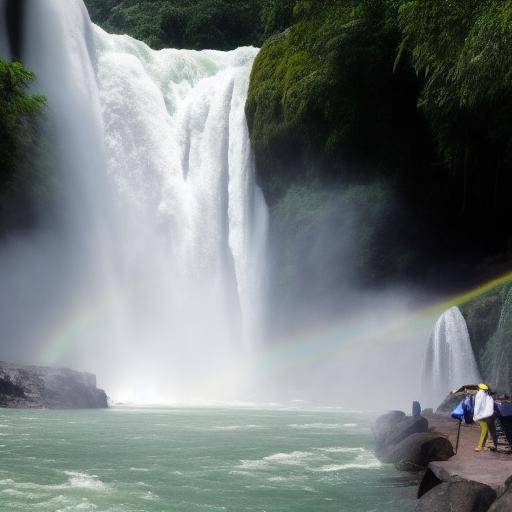
The majestic Niagara Falls, located on the US-Canada border, are one of the most iconic natural destinations in the world. This stunning nature show has captivated travelers, adventurers and photographers for centuries. In this photo guide, we will explore how to capture the strength and beauty of Niagara Falls through the lens, as well as the photographic opportunities offered by Canada. From its historical origins to future trends and predictions, this complete guide will provide valuable information for both amateur and professional photographers. Get ready to immerse yourself in the natural wonder of Niagara Falls and discover how to immortalize its splendor through photography!
Introduction
Niagara Falls, known for its imposing strength and beauty, attract millions of visitors every year. This impressive natural phenomenon has been a source of inspiration for countless photographers who seek to capture the grandeur and intensity of the cataracts through their cameras. In this guide, we will explore not only the photographic technique necessary to capture the essence of Niagara Falls, but also the history, evolution and impact of this iconic natural site. In addition, we will examine the photographic opportunities offered by Canada, home to a variety of stunning landscapes that go beyond Niagara Falls. Whether you're a new or experienced photographer, this guide will provide you with valuable knowledge to raise your photographic skills in the context of this wonderful natural destination and Canada in general.
History and Background
Niagara Falls have a rich history dating back to thousands of years. Initially inhabited by Native Americans, the cataracts became an important reference point during the European colonization of North America. The first person to document the Niagara Falls was the French explorer Samuel de Champlain in 1604, marking the beginning of the fascinating journey of the Falls to world recognition. In the nineteenth century, the cataracts increased their popularity as a tourist destination, attracting visitors from all over the world. In 1885, the Niagara Falls State Park was established in New York, followed by the establishment of Queen Victoria Park in Ontario, Canada, in 1888.
Analysis in Deep
When it comes to photographing Niagara Falls, photographers face unique challenges and exciting opportunities. The mist and fog created by waterfall, the variety of colors and textures, as well as the changing light conditions, offer endless possibilities to capture visually shocking images. The geography of the region, which includes throats, fasts and natural parks, adds an additional dimension to the photography of Niagara Falls. This is where you will want to be equipped with appropriate photographic equipment, from wide angle lenses to capture the vastness of the landscape to neutral density filters to handle variable lighting.
Full review
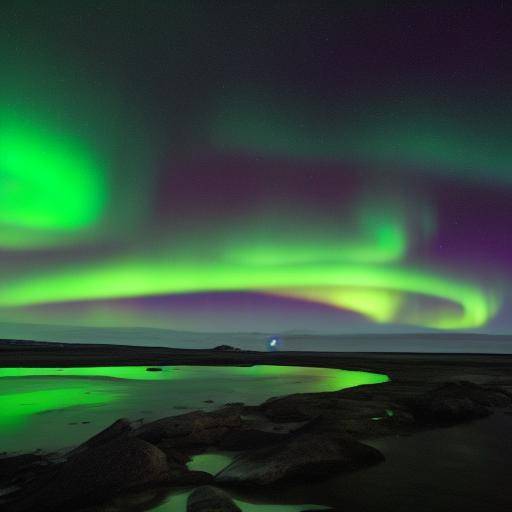
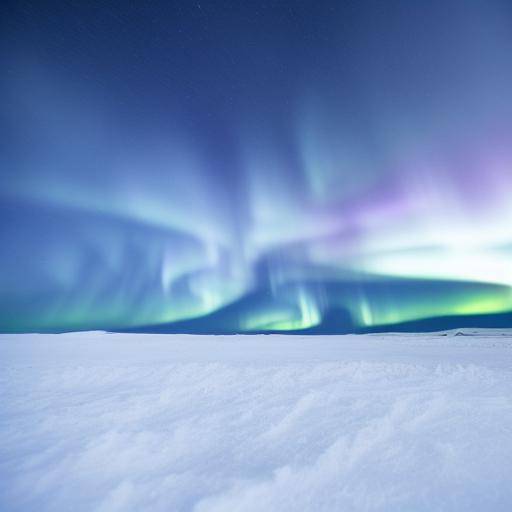
Canada is a photographic destination in its own right, with a diversity of landscapes ranging from the pristine ocean coasts to the majestic rocky mountains. In addition to Niagara Falls, Canada offers a variety of opportunities for nature photography, including the northern boreal aurora, lush forests in the west and the Arctic tundra in the north end. The nation also hosts a series of vibrant and cultural cities that provide a rich land for urban photography. The diversity of Canada, both in terms of its people and landscapes, makes it a fascinating destination for photographers in search of inspiration.
In addition to Niagara Falls, Canada offers a variety of opportunities for nature photography, including the northern boreal aurora, lush forests in the west and the Arctic tundra in the north end. The nation also hosts a series of vibrant and cultural cities that provide a rich land for urban photography. The diversity of Canada, both in terms of its people and landscapes, makes it a fascinating destination for photographers in search of inspiration.
Comparative analysis
By comparing photographic opportunities between Niagara Falls and Canada, it is clear that both offer unique scenarios and different challenges for photographers. While Niagara Falls present the opportunity to capture the majesty of a constantly moving natural wonder, Canada offers a wide range of landscapes and scenarios to explore and capture. The comparison between these two destinations not only highlights their differences, but also highlights the photographic diversity that Canada has to offer beyond the falls.
Practical Tips and Accessible Tips
For those planning to photograph Niagara Falls and explore Canada through your lens, here are some practical tips that can help you capture unforgettable moments:
- Prepare your team: Make sure you have the right photographic equipment to capture diverse landscapes, from wide-angle lenses to stable tripods for prolonged exposures.
- Take advantage of the variety of light conditions: Experience the different lighting conditions throughout the day to capture the cataract in different states and atmospheres.
- Explore beyond the falls: While in Canada, take the time to explore the diversity of landscapes the country has to offer, from the Rocky Mountains to the Atlantic coast.
- Interact with local culture: Photography in Canada is not only about capturing spectacular landscapes, but also documenting the life and culture of its diverse communities.
Conclusions and FAQs
Conclusion
Niagara Falls and Canada offer endless opportunities for photographers in search of stunning natural landscapes, cultural experiences and unique takes. From the majesty of cataracts to the diversity of landscapes and cultural wealth of Canada, these regions provide an incomparable canvas to capture special moments through photography. If you are looking for an enriching and exciting photographic experience, both Niagara Falls and Canada will surely leave you breathless with their photographic possibilities.
Frequently asked questions
1. What is the best time of the day to photograph Niagara Falls?
The golden hour, both at dawn and at sunset, offers a gentle and warm illumination that enhances the beauty of the falls. In addition, during these hours, impressive rainbows can be captured on the falls.
2. What are the challenges of photographing Niagara Falls?
The fog and humidity generated by the cataracts can represent challenges to keep photographic equipment in optimal conditions.
3. What areas of Canada are ideal for nature photography?
The Rocky Mountains in Alberta and British Columbia, the east coast of Canada with its impressive cliffs and the region of the big lakes are just some of the many ideal areas for nature photography in Canada.
4. What kind of photographic equipment is recommended to capture landscapes in Canada?
It is recommended to wear large-angle lenses to capture the vastness of landscapes, as well as neutral density filters to control light in variable lighting scenarios.
5. What are some cultural festivities or events in Canada worth photographing?
The Calgary Balloon Festival, the Quebec Winter Carnival and the Montreal International Jazz Festival are just some of the events and festivals that offer unique opportunities for the photography of cultural events in Canada.
6. How can I access iconic photographic locations in Canada?
Many areas of photographic interest in Canada are accessible through scenic roads, hiking trails and national parks that are open to the public for much of the year. It is important to investigate specific restrictions and regulations for each location.
In short, exploring and photographing Niagara Falls and Canada provides an enriching and exciting experience for photography lovers. Whether capturing the imposing strength of the cataracts or the natural and cultural splendour of Canada, these destinations offer countless opportunities to capture unforgettable moments through photography.