Introduction
Bali, known as the "Island of the Gods", offers an incomparable cultural experience with its impressive temples that show the island's rich religious tradition. Capturing the quiet and spiritual essence of these temples through photography is a way to share your serenity with the world. In this photo guide, we will explore the history of the temples of Bali, the challenges and benefits of photographing them, as well as practical advice to get the best images. In addition, we will compare these temples to other iconic places and discuss future trends.
The History and Context of the Temples of Bali
Origins and Evolution
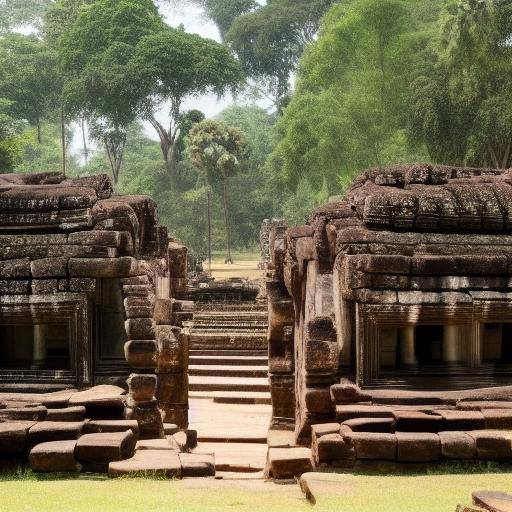
The temples, known as "Pura" in balinés, are an integral part of daily life in Bali. These sacred sites have a rich history and a profound cultural importance for the inhabitants of the island. The roots of the Balinese architecture and religious traditions are intertwined in the history of these temples, which have evolved over the centuries. From the first Hindu and Buddhist settlements to the influence of the kingdom of Majapahit, each time has left its mark on the architecture and spirituality of the temples of Bali.
Cultural and Spiritual Importance
The temples are not only places of worship, but also community centers where rituals and festivities are celebrated. Each temple in Bali has its own character and purpose, whether dedicated to the gods of water, agriculture or mountains. This diversity makes exploring and photographing the temples of Bali a rich and varied experience.
The Challenges of Photographing Temples
Conditions of Light
Light is a critical factor in temple photography. Conditions can vary significantly throughout the day, and direct sunlight can often be too harsh, creating strong shadows and overexposed areas. On the other hand, the soft light of sunrise and sunset can provide ideal lighting, highlighting the architectural details and the serene atmosphere.
Respect and Label
Photographing temples requires deep awareness and respect for local culture and religious practices. It is essential to know and follow the rules of conduct, such as dressing properly, avoid interrupting ceremonies and asking for permission before photographing people.
Preservation of the Holy Atmosphere
Capturing the spiritual essence and calm of the temples in Bali can be a challenge, especially in crowded tourist sites. Find moments of tranquility, as early in the morning or during the week, can help preserve the sacred atmosphere in your photographs.
Practical Tips for Photographing Temples
Respect the Environment
- Appropriate dress: You saw modest clothes covering your shoulders and knees. Many temples offer sarongs for visitors.
- Respectful behavior: Stay calm and respect the areas designated for prayer. Do not touch or go up to sacred structures.
- Permission to Photograph: Always ask permission before photographing devotees or participating in religious ceremonies.
Take advantage of the Natural Light
- Golden Hour: The gentle light of dawn (about 6-8 am) and sunset (about 5-7 pm) can enhance the beauty of the temples and create a magical atmosphere.
- Cloudy conditions: The cloudy days provide a diffuse light that removes the hard shadows, ideal for capturing architectural details.
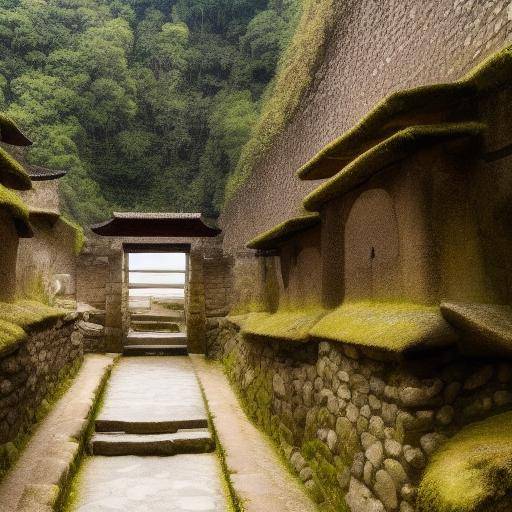
- Use of Shadows: Use the shadows and the light filtered through the trees to add depth and texture to your photos.
Focus on the Details
- Intricate decorations: Capture the unique carvings, sculptures and ornaments that adorn the temples.
- Natural Elements: It incorporates the vegetation, the flowers and the bodies of water that surround the temples to contextualize their surroundings.
- Creative perspectives: Experience with low angles, water reflections and unusual frames to highlight the unique aspects of each temple.
Comparison with Other Iconic Places
Temples of Bali vs. Other destinations
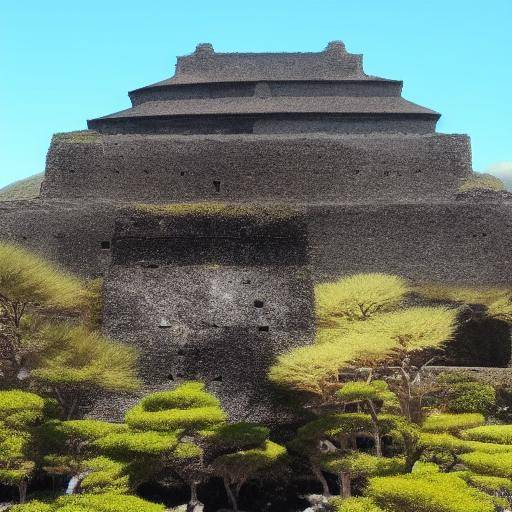
The temples in Bali, with their unique Hindu architecture and tropical surroundings, offer a different photographic experience compared to other destinations such as Thailand Buddhist temples or Japan's symptoistic temples. Each place has its own aesthetic and environment, providing unique opportunities for photographic creativity.
- Temples of Thailand: Known for its golden and detailed roofs, the Thai temples contrast with the elegant simplicity of the Balinese temples.
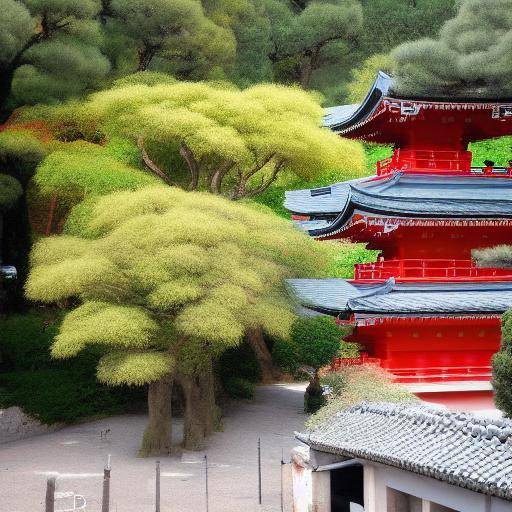
- Temples of Japan: The symmetry and minimalism of the Japanese temples offer a different approach to the rich ornamentation of Bali.
Future Trends in Temple Photography
Technology and Accessibility
The technology continues to transform the photography of temples, with drones and high resolution cameras that allow capture unique perspectives and stunning details. In addition, mobile editing applications make it easier to improve and share images on the go.
Focus on Sustainability
With increased tourism, it is crucial that photographers promote sustainable practices, respecting sites and supporting local initiatives for the conservation of cultural heritage.
Conclusion
Photographing the temples of Bali is an enriching experience that combines the art of photography with the respect and appreciation of a rich cultural heritage. By following practical advice and being aware of the challenges, you can capture the calmness and majesty of these sacred sites, sharing their serenity with the world. Exploring and photographing these temples not only allows you to create shocking images, but also connect deeply with the history and spirituality of Bali.
FAQs
1. What is the best time of the year to photograph the temples in Bali?
The dry season, from May to September, offers optimal weather conditions for outdoor photography.
2. Do I need special permission to photograph in the temples in Bali?
In general, no special permission is required, but it is important to respect the rules of the temple and ask for permission before photographing people.
3. What photographic equipment is essential to capturing the temples of Bali?
A DSLR or mirrorless camera with interchangeable lenses, a stable socket tripod and polarizing filters to handle bright light are recommended.
4. How can I improve my photos of temples in difficult light conditions?
Use a tripod for long shots in low light conditions and experiment with exposure and white balance to get the best results.
5. Is it possible to hire photo guides in Bali?
Yes, there are specialized photography guides that can offer personalized tours to help you capture the best aspects of Bali temples.
6. How can I respect and preserve the sacred atmosphere while I photograph?
Maintain respectful behavior, follow local norms and avoid interfering with religious practices or the natural flow of visitors.