The Besakih Temple, located on the exotic island of Bali, is a place of profound spiritual and cultural significance. With its impressive architecture and natural setting, it is an ideal photographic destination to capture the serenity and beauty of this ancient temple. In this complete photographic guide, we will explore the history and meaning of the Besakih Temple, as well as provide practical advice and photography techniques to help you capture the essence of this magical place in unforgettable images.
Introduction
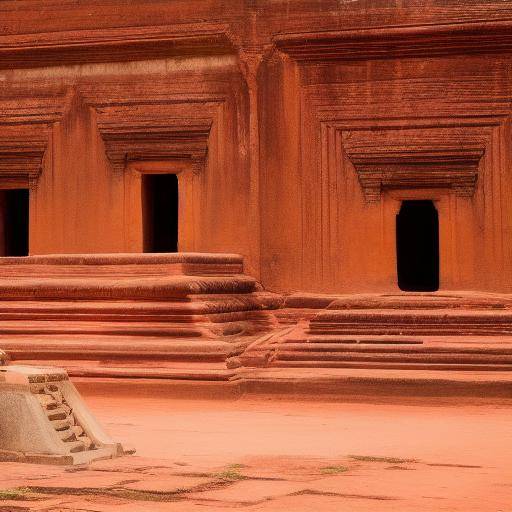
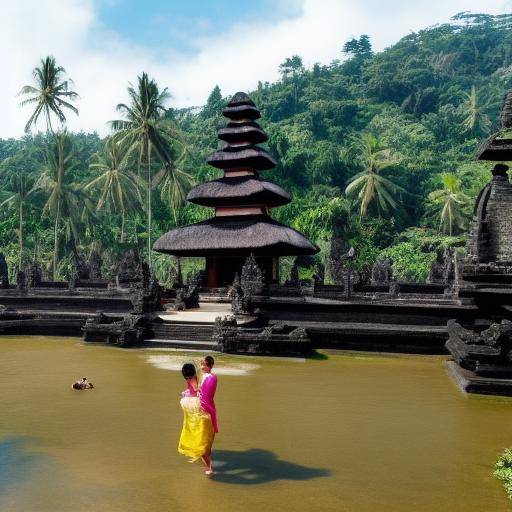
Located on the slopes of Mount Agung, the Besakih Temple, also known as the "Mother Temple", is the largest and most sacred temple complex in Bali. This site is a cultural and spiritual jewel that attracts travelers, photography enthusiasts and devotees from around the world. From its intricate structures to the panoramic views of the surrounding landscape, the Besakih Temple offers countless opportunities to capture stunning moments through the lens of a camera.
History and Background
The Besakih Temple has a fascinating history dating back over a thousand years, covering legends, traditions and historical challenges. Its origin is intertwined with the rich religious and cultural heritage of Bali, and its evolution over time has shaped its current importance. From the Balinese dynasties to resistance to natural disasters, the Besakih Temple has resisted the test of time, becoming a symbol of resilience and devotion.
Deep analysis
To capture the essence of the Besakih Temple, it is crucial to understand the challenges and benefits that arise when photographing this magnificent place. The complexities of enlightenment, composition and capture of the spiritual atmosphere require a reflective approach and specific techniques to achieve stunning photographs. We will explore each of these aspects, together with practical examples and expert advice that will help you overcome the challenges and maximize photographic opportunities.
Comprehensive review
In addition to providing detailed information on the Besakih Temple and photography, this guide will address the practical application of photographic techniques in the specific context of Bali. From the capture of everyday life in the surrounding villages to the documentation of religious ceremonies, you will discover how to maximize your photographic ability in this unique cultural and spiritual environment.
Comparative analysis
Compare the Besakih Temple with other temples, photography in different environments and the particularities of Bali will allow you to glimpse the uniqueness and universality of the elements you want to capture through the lens. This section will give you a broad perspective that will enrich your understanding of the interaction between the place, the photograph and the island of Bali in general.
Practical Tips
Finally, we will present a series of practical tips, suggestions and technical guidelines that will allow you to prepare properly for your photographic journey to Besakih. From the configuration of the camera to the consideration of ethics and cultural sensitivity, these suggestions will enable you to obtain shocking images while respecting the environment and the people who inhabit it.
Conclusion and Frequently Asked Questions
In short, capturing Besakih's serenity through photography is an enriching experience that requires understanding, sensitivity and technical skills. By merging history, culture and photographic techniques, this guide provides a complete vision that will allow you to appreciate and document the magnificence of this unique place. Now that you are equipped with solid knowledge and practical advice, you are ready to undertake an unforgettable photographic adventure in the Besakih Temple.
** FAQs
**1. What is the best time to visit the Besakih Temple to get stunning photographs?**The best time to capture shocking photographs at the Besakih Temple is during the dry season, which usually extends from April to October. During this period, the weather is more predictable, which gives you the opportunity to experience more consistent lighting for your photographs.
**2. Are there any restrictions or special considerations to take photographs at the Besakih Temple?**Yes, it is important to remember that the Besakih Temple is a sacred place for the Baliness. It is therefore crucial to act with respect and sensitivity when photographing the temple and its surroundings. The indications of tourist guides should be followed and the restricted areas should be respected.
**3. What photo equipment is recommended to take to the Besakih Temple?**It is recommended to carry a versatile equipment that includes a DSLR camera or mirrorless with broad-focus lenses and telephoto. In addition, a portable tripod can be useful for capturing long exposure shots or in low light conditions.
**4. What cultural aspects or local traditions should you consider when taking photographs in this region of Bali?**When photographing the Besakih Temple and its surroundings, it is vital to respect local traditions and practices. It is essential to request permission before taking photographs of people and, in general, to be aware of local customs and ethics.
**5. Are there different photographic scenarios around the Besakih Temple worth exploring?**Yes, in addition to the Besakih Temple itself, the surroundings offer a variety of photographic opportunities, including stunning natural landscapes, local rituals and the daily lives of the inhabitants of the area. Exploring these scenarios can enrich your photographic experience.
**6. What is the best approach to capture the spiritual essence of the Besakih Temple in photographs?**To capture the spiritual essence of the Besakih Temple, it is essential to concentrate on the architectural details, religious ceremonies and facial expressions of devotees. Look for moments that transmit devotion and reverence present in this sacred environment.