The Grand Canyon, one of the most impressive natural wonders in the world, offers photographers an incomparable opportunity to capture the stunning beauty of nature. In this photo guide, we will explore best practices to capture the majesty of the Grand Canyon through the lens, highlighting the importance of photography in the context of Arizona. From history and background, to practical advice and future predictions, this guide will provide an integral vision for lovers of photography who want to explore and capture the magnificent Grand Canyon in Arizona.
Introduction
The Grand Canyon, located in the state of Arizona, is an iconic monument that attracts millions of visitors every year with its amazing extension of 446 kilometers and depths that reach up to 1,857 meters. This natural wonder is an inexhaustible source of inspiration for amateurs and photography professionals, offering a variety of opportunities to capture stunning landscapes, unique rock formations and changing colors throughout the day.
History and Background
The Grand Canyon has been shaped by millions of years of geological activity and the genius of nature, creating a unique landscape that reflects the history of the Earth itself. From the formation of the canyon to its discovery by the Europeans in the sixteenth century, the history of the Grand Canyon is as fascinating as its imposing cliffs.
The interest in photographing the Grand Canyon has evolved over time, from the first black and white photographs to the modern digital techniques that capture the full range of colors and shades. Photography has played a crucial role in preserving the visual legacy of the Grand Canyon and in spreading its beauty worldwide.
Deep analysis
Photography in the Grand Canyon presents unique challenges and incomparable opportunities. The contrasts of light and shadow, the vastness of the landscape and the diversity of wildlife offer photographers the opportunity to capture truly shocking images. However, the difficulty in transmitting the magnitude and grandeur of the cannon through an image presents technical and creative challenges.
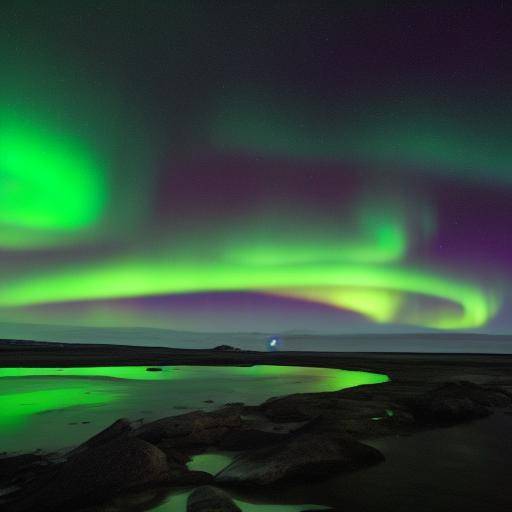
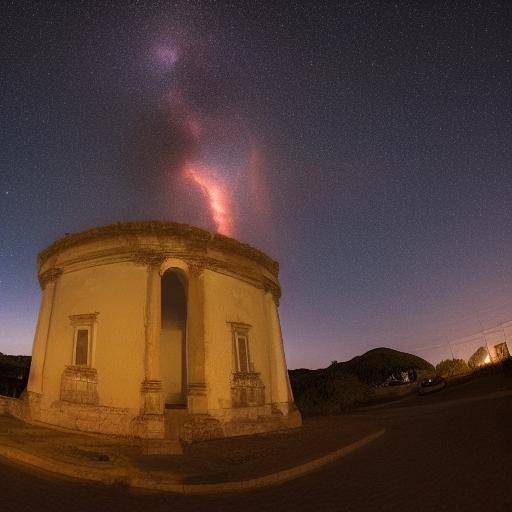
Modern technology has expanded the possibilities of photography in the Grand Canyon, allowing to capture details in high resolution, perform aerial shots with drones and experiment with night photography techniques to capture the majesty of the starry sky over the canyon.
Comprehensive review
Photography in the Grand Canyon covers a wide range of styles and approaches, from nature photography and landscapes to portraits and adventure photography. The diversity of the environment offers an infinity of creative opportunities, allowing photographers to explore the interaction between light, landscape and human experience in the context of the Grand Canyon.
The preservation of the natural environment is a fundamental consideration for photographers who explore the Grand Canyon. Respect for wildlife, landscape conservation and compliance with environmental regulations are essential aspects to take into account when capturing images in this unique environment.
Comparative analysis
Photography in Arizona offers a vast terrain of possibilities beyond the Grand Canyon, with its diversity of natural environments including deserts, cannons, mountains and a rich variety of wildlife. The cultural influences and rich and varied history of Arizona provide an exceptional backdrop for creative photography.
Practical Tips and Accessible Tips
Tips for Photographing the Grand Canyon
- Plan your visit in advance, considering the golden hour and the blue time to get the best lighting.
- Experience with different angles and perspectives to capture the scale and grandeur of the cannon.
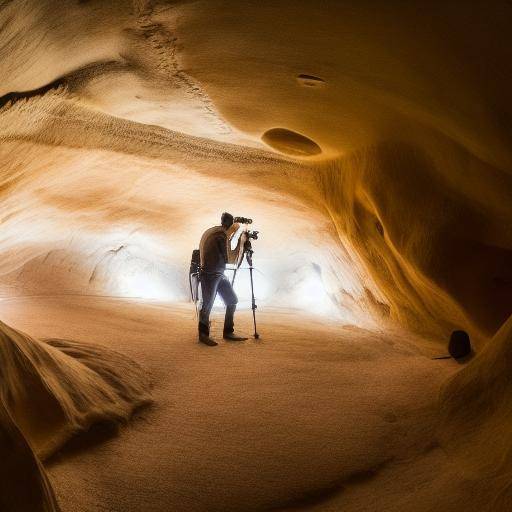
- Consider the inclusion of human elements in your photographs to bring a sense of scale and narrative.
- Use polarizing filters to highlight the intensity of the colors and reduce the brightness on non-metallic surfaces.
Night photography in the Grand Canyon
- Take advantage of the opportunities to capture the Milky Way over the cannon during clear nights.
- Experience with long exhibitions to capture the mystical beauty of the stars on the barrel profile.
- Use light paint techniques to create unique visual effects in nocturnal settings.
Industry Perspectives and Expert Reviews
Photography in the Grand Canyon and Arizona remains a dynamic and exciting field, with new approaches and technologies that constantly change the way it captures and shares the beauty of the landscape. The presence of digital platforms and social networks has amplified the diffusion of images of the Grand Canyon, allowing its visual impact to reach global audiences in ways never before imagined.
Case Studies and Applications in Real Life
Photography in Arizona
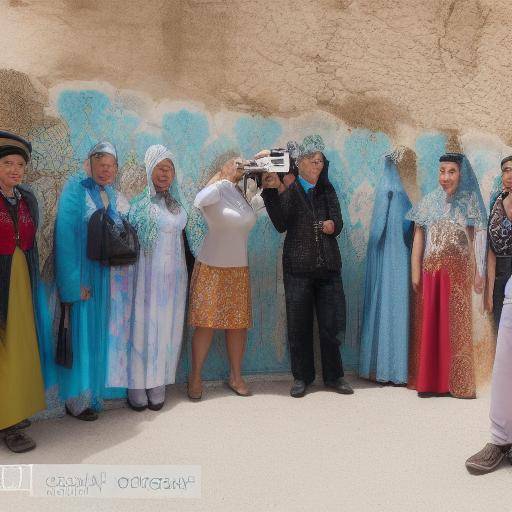
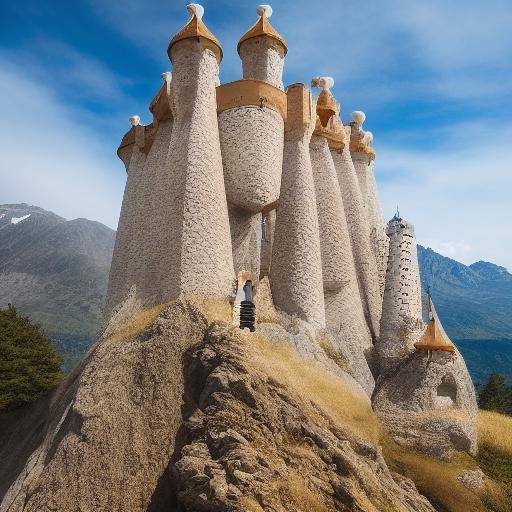
The Grand Canyon not only offers opportunities to capture natural landscapes, but also presents the possibility of exploring the architectural and cultural elements associated with the human presence in the region. From native villages to modern buildings, Arizona hosts a rich architectural heritage that deserves to be documented through photography.
Photograph of Wildlife in the Grand Canyon
The ecological diversity of the Grand Canyon provides unique opportunities for wildlife capture in its natural habitat. The photography of birds, mammals and reptiles offers an intimate view of nature in this stunning and unique region.
Future Trends and Predictions
The future of photography in the Grand Canyon and Arizona is driven by technological innovations, increased environmental awareness and global interconnection through digital platforms. Photography is expected to continue to play a key role in the documentation and conservation of the Grand Canyon, allowing its beauty to last for future generations.
Conclusions
Photography in the Grand Canyon and Arizona represents an exciting challenge and a unique opportunity for photography lovers. Capturing the majesty of the cannon through the lens is an experience that promises to be rewarding and captivating. This photographic guide seeks to inspire photographers to explore and celebrate the exceptional beauty of the Grand Canyon, while promoting the respect and preservation of this natural treasure.
Frequently asked questions
What is the best time of the year to photograph the Grand Canyon?
Spring and autumn are often considered as the best stations to photograph the Grand Canyon, as they offer a soft light and vibrant colors.
What photo equipment is recommended to photograph the Grand Canyon?
It is recommended to use wide-angle lenses to capture the vastness of the landscape, tripods for stabilization and polarizing filters to highlight the colors.
Are there restrictions on photography in the Grand Canyon?
Certain restrictions apply for commercial photography and filming in the Grand Canyon, so it is important to know and respect the relevant regulations.
How to protect the natural environment by photographing the Grand Canyon?
It is crucial to follow the practices of minimal environmental impact when photographing in the Grand Canyon, respecting the designated areas and minimizing the alteration of the natural environment.
What differences exist between photography in the Grand Canyon and other regions of Arizona?
While the Grand Canyon offers unique opportunities to photograph majestic canyons and cliffs landscapes, other Arizona regions have a variety of natural environments, from deserts to forests and mountains, each with their own distinctive beauty.
What are the most common challenges when photographing the Grand Canyon?
The most common challenges include the management of light intensity, the capture of the cannon scale and the creation of shocking compositions in such a vast and dynamic environment.
What opportunities do night photography offer in the Grand Canyon?
Night photography in the Grand Canyon provides the opportunity to capture the majesty of the starry sky over the canyon, creating stunning and evocative images.
With its incomparable natural beauty and rich history, the Grand Canyon offers a fascinating scenery for photographic exploration. This article seeks to inspire photographers to discover the extraordinary majesty of the Grand Canyon through the lens, celebrating its greatness and fostering its preservation for generations to come.