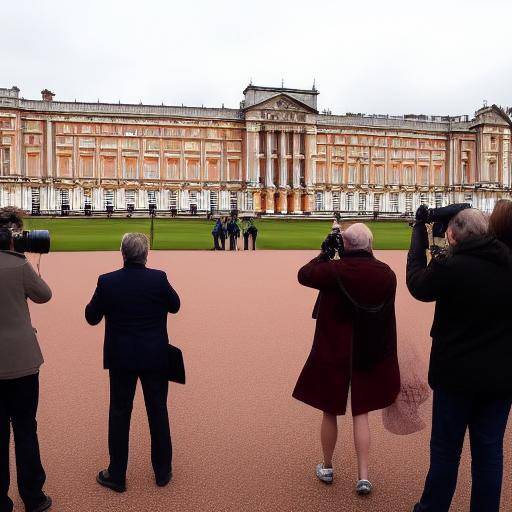
The Royal Palace of Madrid is an architectural gem that captivates visitors from around the world. With a rich history and an unparalleled majesty, this emblematic royal palace offers countless opportunities for photography. If you are an enthusiast of photography or simply want to explore the beauty of Madrid through images, this photographic guide will immerse you in the grandeur of the Royal Palace and provide you with practical advice to capture its splendor in every shot.
Introduction
With its imposing presence and elegant architecture, the Royal Palace of Madrid is a must for lovers of photography. From its magnificent halls to its lush gardens, each corner offers the opportunity to capture the essence of royalty and the history that emanates from the place. This photographic guide will not only give you expert advice to take the best photographs, but will also get you into the fascinating history and cultural grandeur surrounding the Royal Palace of Madrid.
History and Context
The Royal Palace of Madrid, also known as the Palacio de Oriente, has a history dating back to the 16th and 17th centuries. Built on the ruins of an ancient Alcazar, the palace has witnessed momentous moments in the history of Spain, from the monarchy of the Habsburgs to the present day. The architecture of the palace, with its baroque and neoclassical style, is a testimony of stylistic evolution over the centuries.
The palace has been the scene of historic events, including coronation ceremonies, diplomatic receptions and other events of national and international importance. The wealth of its artistic and cultural heritage makes it an inescapable reference for those who want to know more about the history of Spain and royalty.
Analysis in Deep
Photography at the Royal Palace of Madrid presents unique challenges and opportunities. The magnificence of its halls decorated with masterpieces of painting, the spacious courtyards and the stunning gardens offer endless possibilities to capture images that convey the opulence and grandeur of the place. However, illumination, composition and respect for the historical integrity of the palace are crucial aspects to consider when taking photographs.
For photographers, the ability to visually tell the history of the palace through its photographs is an exciting challenge. Each angle and perspective can reveal new nuances of architecture, art and everyday life in the palace. The understanding of the history and cultural importance of the place can greatly enrich the photographic narrative, allowing the images to communicate not only the aesthetic, but also the emotion and meaning behind each captured scene.
Comprehensive review
Photography at the Royal Palace of Madrid is not only an artistic expression, but also an opportunity to preserve the beauty and history of the place. Capturing the grandeur of the palace through the lens of a camera is a way to immortalize its splendor for future generations. In a world where the image is a fundamental means of communication, the photographs of the Royal Palace have the power to transcend borders and transmit the cultural and heritage wealth of Madrid worldwide.
Comparative analysis
The art of photography and the majesty of the Royal Palace of Madrid are intertwined in a unique way. The capacity of photography to document and celebrate the architectural and cultural grandeur of the palace is a manifestation of human creativity and the desire to preserve beauty for generations to come. Photography, like the palace itself, transcends time and space, allowing fascination with history and aesthetics to perpetuate through the images.
Applicable Tips and Tips Acc##
When you are ready to capture the grandeur of the Royal Palace of Madrid through photography, consider these practical tips that will help you get the best shots:
1. Optimal timetable for photography
- Take advantage of the sunrise light or sunset to capture soft and warm tones that will enhance the beauty of the palace and its surroundings.
- Consider visiting the palace at different times of the day to capture the way light incites on its facades and gardens.
2. Composition and frame
- Experience with different angles and frames to emphasize the majesty of the architecture and ornamental details of the palace.
- Take into account the symmetry and perspective to create shocking images that highlight the grandeur of the place.
3. Respect for the environment
- When you capture photographs inside the palace, respect the indications and restrictions regarding the use of flash and tripods to preserve the integrity of works of art and architecture.
4. Capture everyday life
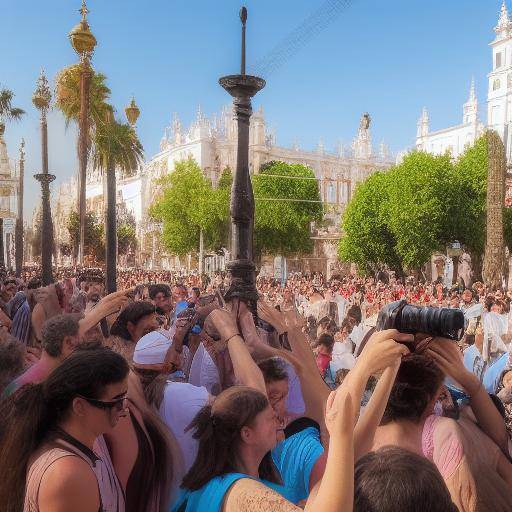
- Do not limit yourself to architectural aspects; capture the life surrounding the palace, including people, activities and events that give it a dynamic and vibrant character.
5. Use of equipment and accessories
- Take advantage of the versatility of your photographic equipment and consider the use of wide-angle lenses to capture the breadth of the spaces and detail lenses to highlight the ornamentation and artistic elements of the palace.
Following these advices, you can create a collection of photographs that reflect the greatness and exquisite beauty of the Royal Palace of Madrid in an impressive and artistic way.
Final Ideas and Future Predictions
Photography at the Royal Palace of Madrid will remain an inexhaustible source of inspiration and creativity for photographers and enthusiasts of history and art. With the advance of photographic technology and the global diffusion of images through digital platforms, the impact of these photographs will transcend borders, bringing the magnificence of the palace to audiences around the world.
Conclusions and FAQs
Conclusion
The Royal Palace of Madrid is a unique setting where photography becomes a means to preserve and celebrate the greatness of history and culture. To capture the essence of this emblematic place through photography is an enriching experience that allows to appreciate the majesty and artistic richness of an invaluable heritage. May every image be a tribute to this iconic palace and to the story that encapsulates.
Frequently asked questions
Can I use tripods and professional teams to take pictures at the Royal Palace of Madrid?
Yes, the use of tripods and professional photography equipment within the palace is permitted, provided that specific indications and restrictions are respected in certain areas.
Is special permission required to take photographs inside the Royal Palace?
No special permission is required to take photographs for personal or non-commercial purposes. However, photography is not permitted in certain areas, such as temporary exhibitions or in the presence of objects of high heritage value.
What is the best time of the year to capture photographs of the Royal Palace of Madrid?
Spring and autumn often offer ideal conditions for photography, as the weather is pleasant and the palace gardens are in full bloom or changing tonalities, providing scenery of great beauty.
Are there special tours for photographers at the Royal Palace?
Yes, the palace occasionally offers guided tours specially designed for photographers who wish to explore the palace and its gardens in search of unique photographic opportunities.
Can I publish my photographs of the Royal Palace on social networks?
Yes, you can publish your photographs of the Royal Palace on social media as long as you respect copyright and intellectual property policies, and do not use them for commercial purposes without the corresponding authorization.
What is the policy of using flash when taking photographs inside the Royal Palace?
With respect to the preservation of the works of art and architecture, the use of flash is restricted in some areas of the palace. It is important to follow the directions of the palace staff regarding the use of flash and photographic equipment.
In conclusion, photography at the Royal Palace of Madrid is an experience that goes beyond capturing simple images; it is an opportunity to immortalize the historical and cultural grandeur of this iconic monument. May each photograph be a tribute to the majesty that this place encloses and an invitation to explore the artistic and architectural treasures that the Royal Palace has to offer.