The pyramids of Egypt are architectural wonders that have captivated mankind for centuries. It is impossible to deny its greatness and mysteries, and what better way to capture its splendor than through photography. In this photographic guide, we will explore history, cultural importance, and give practical advice to capture the grandeur of pyramids through photography. From understanding its historical meaning to taking advantage of the best hours of the day to take pictures, this guide will take you to an impressive visual journey in the heart of Egypt.
Introduction
The mystical and majesty of the pyramids of Egypt have left mankind marveled for millennia. These monumental structures represent an impressive testimony of human ingenuity in ancient times and have been a constant focus of fascination for archaeologists, historians, artists and travellers. Photography, in turn, has allowed us to capture and share the grandeur of pyramids with the whole world. In this guide, we will explore the best way to capture the grandeur of pyramids through photography and understand its historical, cultural and symbolic meaning.
History and Background
The pyramids of Egypt have witnessed ancient civilizations and their monumental achievements. From the Great Pyramid of Giza, the only of the Seven Wonders of the Old World that still lasts, to the scaloned pyramids of Saqqara, these structures have resisted the passage of time, challenging the most logical explanations with their amazing architecture. Its construction, symbolism, historical context and cultural significance deserve deep exploration to fully understand its greatness and capture it through photography.
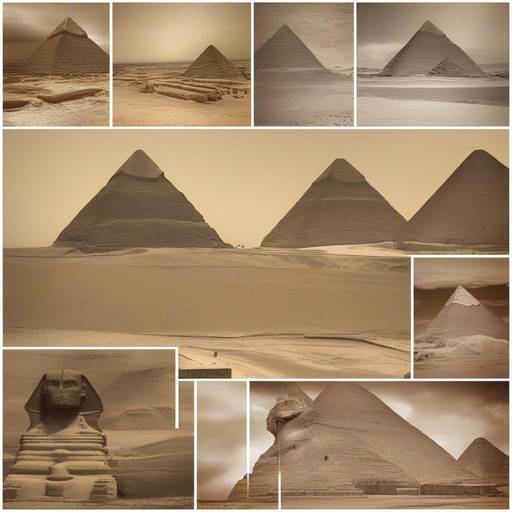
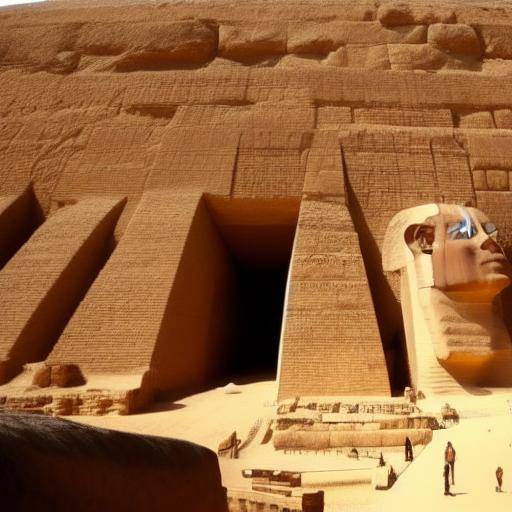
The complex of the pyramids of Giza, which includes the Pyramid of Keops, the Pyramid of Kefrén and the Pyramid of Micerines, stands as an eternal monument to the grandeur of ancient Egypt. These funeral structures, built over 4,500 years ago, have challenged modern understanding with their advanced construction techniques and their perfect alignment with the stars. The Great Sphinx, guardian of the pyramids, adds an additional element of mystery and magnetism to the site.
The pyramids of Egypt not only amazed by their antiquity and size, but also by the mathematical and architectural precision with which they were built. The ancestral knowledge of astronomy, geology and geometry is reflected in each stone placed with amazing accuracy. The magnitude of this human feat continues to intrigue scientists and enthusiasts alike.
Detailed Analysis
Photography has been a crucial means of capturing the grandeur of pyramids and transmitting it to future generations. Through powerful images, photography allows viewers to appreciate the majesty of these structures, showing details that could otherwise go unnoticed. However, photographing the pyramids carries their own challenges, from finding unique angles to dealing with the changing light throughout the day. Exploring the most effective photographic techniques to capture the grandeur of pyramids is essential to honor their legacy and share their splendor.
Light and shadow play a fundamental role in the photography of pyramids. At sunrise and sunset, the golden light softens the edges of the structures, creating an impressive visual spectacle. These magical moments offer the perfect opportunity to capture pyramids in all their glory, with warm tones and shadows that enhance their iconic form. The golden hour, as this light window is popularly known, provides a unique atmosphere that transforms pyramids into dream scenarios for photographers.
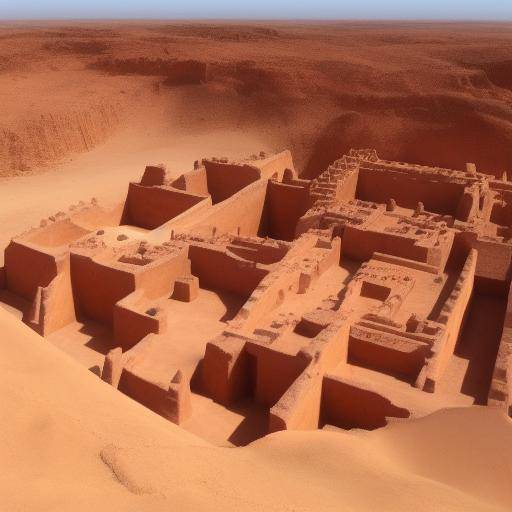
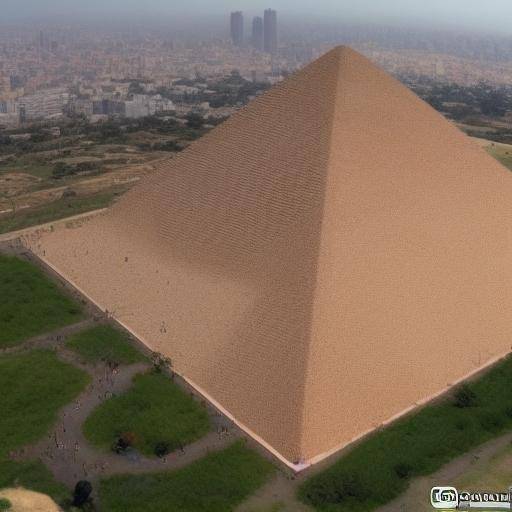
Air photography also offers a fascinating perspective of pyramids, revealing its disposition in relation to the surrounding landscape. The drones have provided a new dimension to capture these wonders from the sky, allowing breathtaking panoramic views that reveal the greatness and harmony of the pyramids in their natural environment. This technique offers an innovative way to appreciate the monumental scale of structures from a unique perspective.
Comprehensive review
Exploring the potential of photography to capture the greatness of pyramids goes beyond considering the best techniques and moments to photograph them. It also implies understanding cultural heritage and symbolism rooted in these majestic buildings. Photography not only documents the physical appearance of pyramids, but can also convey emotions, evoke a sense of wonder and preserve the spiritual connection that these structures have maintained over the centuries.
Comparative analysis
The art of photography in the context of the pyramids of Egypt is unique in its ability to encapsulate the historical grandeur and the eternal beauty of these monumental structures. Although pyramids and photography are distinct entities, they unite with grace to narrate the history of ancient Egypt and to perpetuate its legacy in collective memory.
Practical Tips and Accessible Tips
To capture the grandeur of pyramids through photography, it is essential to be prepared and to make the most of the opportunities offered by each moment and angle.
- Plan your visit by considering the optimal moments to photograph pyramids, such as sunrise and sunset.
- Explore different angles to capture the most shocking perspective, including aerial shots if possible.
- Experience with light and shadow to highlight the texture and shape of pyramids.
- Consider the use of specialized equipment, such as drones or broad-angle lenses, to capture unique views.
- He is aware of the environment and respects local regulations by taking photographs on historical sites.
Ideas and Industry Information
The photography of the pyramids of Egypt has evolved over time, adapting to new technologies and trends. The emergence of digital photography, the use of drones and advanced techniques of postproduction have expanded the creative scope to capture the grandeur of these iconic structures. Accessibility to online platforms and social networks has also allowed photographs of pyramids to reach global audiences instantly, creating a lasting impact on collective consciousness.
Cases and Applications in Real Life
Several renowned photographic collections have immortalized the grandeur of pyramids throughout history, transmitting the radiance and majesty of these monuments from various angles and at different times of the day. The works of renowned photographers, both contemporary and classic, have captured the timeless essence of pyramids, offering a unique window to their power and charm through the images.
Future Trends and Predictions
The continuous evolution of technology and photographic techniques opens new horizons to preserve and share the grandeur of pyramids. Virtual reality, 360° photography and other emerging technologies offer exciting possibilities to experience the pyramids of Egypt in all its glory, plunging viewers into an enveloping visual experience that transcends physical limitations.
Conclusions and FAQs
The greatness of the pyramids of Egypt has been perpetuated through the fascinating lens of photography, capturing its essence and taking it to audiences around the world. Exploring techniques and opportunities to photograph pyramids not only enriches our understanding of these magnificent buildings, but also preserves its legacy for future generations. Taking advantage of photography to capture the greatness of pyramids is a moving tribute to the ancient wisdom of Egypt and the timeless ability of mankind to create monuments that transcend time.
Frequently asked questions
What is the best time of the year to photograph the pyramids of Egypt?
The best time to photograph the pyramids is during the winter season, especially from November to February, when the temperatures are softer and the light is softer, allowing you to capture the details more clearly.
Is there a special permission to take photographs of pyramids?
It is important to verify and comply with local requirements and obtain the necessary permissions to photograph in archaeological sites and surrounding pyramids. Respecting regulations contributes to the preservation and protection of these historical monuments.
What photo equipment is recommended to capture the pyramids of Egypt?
It is recommended to use a good photographic equipment that includes high-resolution cameras, wide-angle lenses to capture large shots, stability tripods and, if possible, drones to capture stunning air perspectives.
What are the best hours of the day to photograph pyramids?
The golden hours, at dawn and at sunset, offer the most beautiful light to photograph the pyramids. During these hours, the warm atmosphere and soft light enhance the texture and character of the structures.
What are the ethical considerations when photographing pyramids?
It is crucial to respect the environment and follow all local regulations when photographing pyramids. This includes not disturbing archaeological sites, respecting signals and not damaging or modifying structures.
What is the cultural importance of photographing the pyramids of Egypt?
Photographing pyramids not only visually preserves its greatness, but also promotes its global appreciation and emphasizes its historical and cultural significance in collective consciousness.
Conclusion
The greatness of the pyramids of Egypt transcends time and space, and photography has been an invaluable bridge to capture and convey its eternal splendor. From the mysteries of ancient Egypt to the technical prowess of contemporary photography, the union between both allows us to appreciate and preserve the greatness of these wonders of the ancient world. Through this link, present and future generations can continue to marvel and learn from the imposing grandeur of the pyramids of Egypt.
In short, little can be compared to the emotion of observing pyramids through the lens of a camera. Photography gives us the opportunity to capture the greatness of the pyramids of Egypt, embracing its legacy with respect, admiration and a sense of responsibility to preserve it for generations to come. May these powerful structures continue to inspire photographers today and tomorrow, ensuring that their splendor is eternally immortalized.
By capturing the greatness of the pyramids of Egypt through photography, we honor its legacy and share its splendor with the whole world, preserving its magic and mystery for generations to come.